Moving an exoskeleton through the mind, mitigating tremors caused by Parkinson’s, preventing and treating mental illnesses such as Alzheimer’s, regenerating organs through bioelectricity and enhancing human skills and capabilities. The experts of the Future Trends Forum analyse these and other innovative proposals, as well as the opportunities and challenges, including the ethical and legal aspects involved, with the aim of drawing a promising future in the field of physical and mental health.
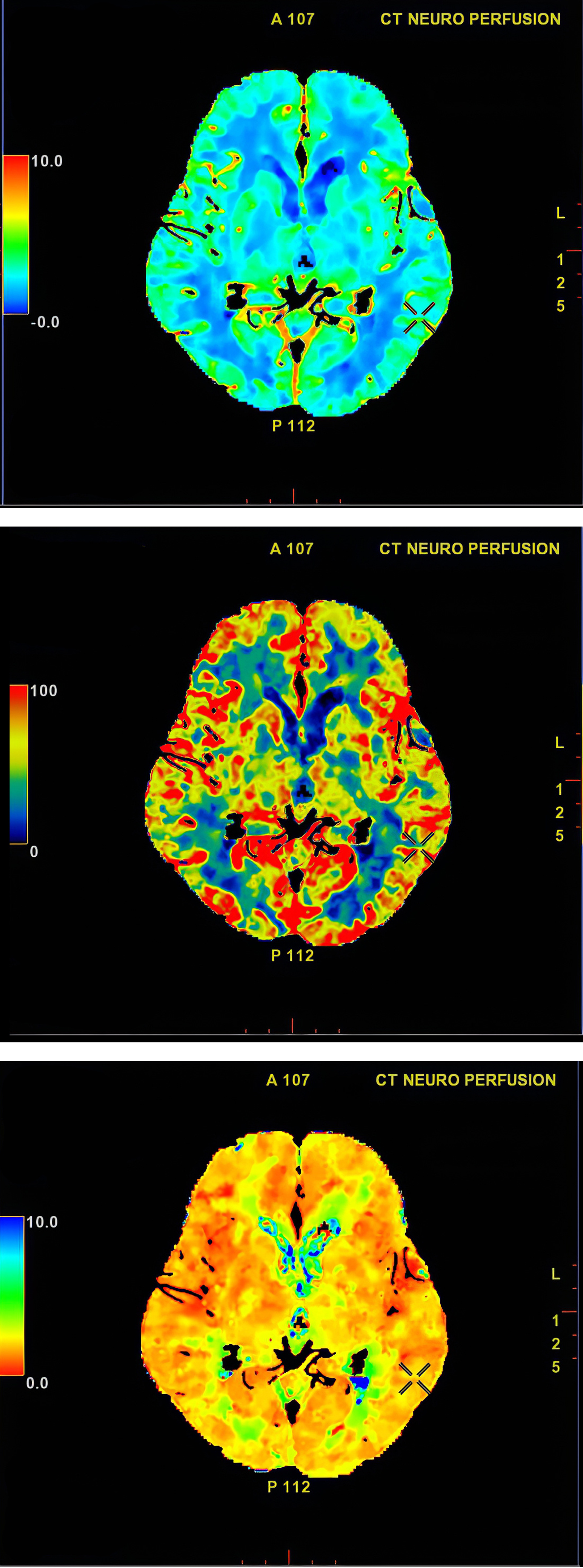
Neuroscience and neurotechnology are rapidly evolving, making significant advances that have facilitated a better understanding of brain functioning. These fields have given rise to new technologies, such as advanced brain imaging techniques, which allow scientists to observe the brain in action and understand how information is processed and decisions are made. Through tools such as functional magnetic resonance imaging (fMRI), various diseases and disorders, from depression to Alzheimer’s, have been studied, significantly expanding knowledge in these areas.
In addition, neurostimulation technologies have been developed that use electrical or magnetic pulses to stimulate the brain, offering potential treatments for diseases such as Parkinson’s, epilepsy and depression. Transcranial direct current stimulation (tDCS), for example, has been shown to be effective in improving cognitive performance and relieving symptoms of depression. However, despite these advances, we still face the monumental challenge of understanding the complexity of the brain, an intricate organ with billions of interconnected neurons, which continues to present obstacles to its study and deep understanding.
Download the full report here