Water

Future Trends Forum «The Quest for clean Water»

Currently, more than 2 billion people live in regions with high levels of water stress, and it is projected that by 2050, half of the world’s population will live in areas facing water scarcity. New technologies, such as reuse, desalination, and atmospheric water capture, offer innovative solutions that can ensure their availability and quality in the long term. Moreover, the interdependence between water and energy is key to creating a sustainable future. The water crisis is a call to action, and this report proposes viable solutions to build a more resilient and sustainable future.

Context and Current Challenges

“There is no replacement for our planet. We are exploring other worlds, but they are hundreds of years away from offering anything similar to the sustainable water we have on Earth.”

Sujay Kumar, Research Physicist at NASA’s Goddard Space Flight Center.

Energy and Water: Two Sides of the Same Coin

The water-energy nexus reflects the deep interdependence between these two essential resources. Water is fundamental for energy production at various stages, such as the extraction of natural resources, electricity generation, and the production of biofuels. Thermoelectric plants require large volumes of water for cooling, while the production of green hydrogen also depends on significant amounts of water and renewable energy.

Water management, in turn, requires substantial energy for processes such as pumping, treatment, cooling, and pressurization. The increasing demand and climate change intensify the pressure on both resources, making innovative and sustainable approaches crucial to ensure their availability.

Energy and Water: Two Sides of the Same Coin

"Water and energy are so interconnected that if we mitigate issues in one, we will likely see improvements in the other." - Yael Glazer

xxx

Water Use by Sectors

Water use is primarily distributed among the agricultural, industrial, and domestic sectors, with agriculture accounting for 69% of global freshwater consumption. This distribution varies by region: in Africa and Asia, agriculture consumes over 80%, while in Europe and North America, it is significantly lower. This variability underscores the need to adapt water management strategies to local conditions.

Santiago Singla, Business Development Director at Regaber and Hidroglobal, highlights the importance of irrigation to ensure food security, as agriculture uses the largest volume of water worldwide. Although the agricultural sector is often viewed as a water waster, Singla emphasizes that its intensive use is necessary to feed the growing population. Irrigated agricultural land represents only 17% of cropland but produces nearly 40% of food, highlighting the importance of efficient irrigation for agricultural productivity.

Water Use by Sectors

  1. In addition to agriculture, the textile industry, and data centers, other critical sectors in water use include:
    1. Food and Beverage Industry: Consumes large volumes of water, especially in the production of meat and dairy products, and generates effluents with organic and chemical waste that require treatment.
    2. Chemical Industry: A significant water consumer, particularly in cooling processes, facing substantial pollution challenges from toxic waste.
    3. Mining Industry: Demands large amounts of water for the extraction and processing of minerals, posing risks of heavy metal contamination.
    4. Pulp and Paper Industry: Known for its high water consumption, generates contaminated effluents during production processes, especially in paper bleaching.
    5. Petrochemical Industry: Uses water in the refining and production of petrochemicals, generating effluents contaminated with hydrocarbons and heavy metals.
    6. Metallurgical Industry: Requires water for cooling and processing metals, generating liquid waste that contains hazardous pollutants.

Water technologies

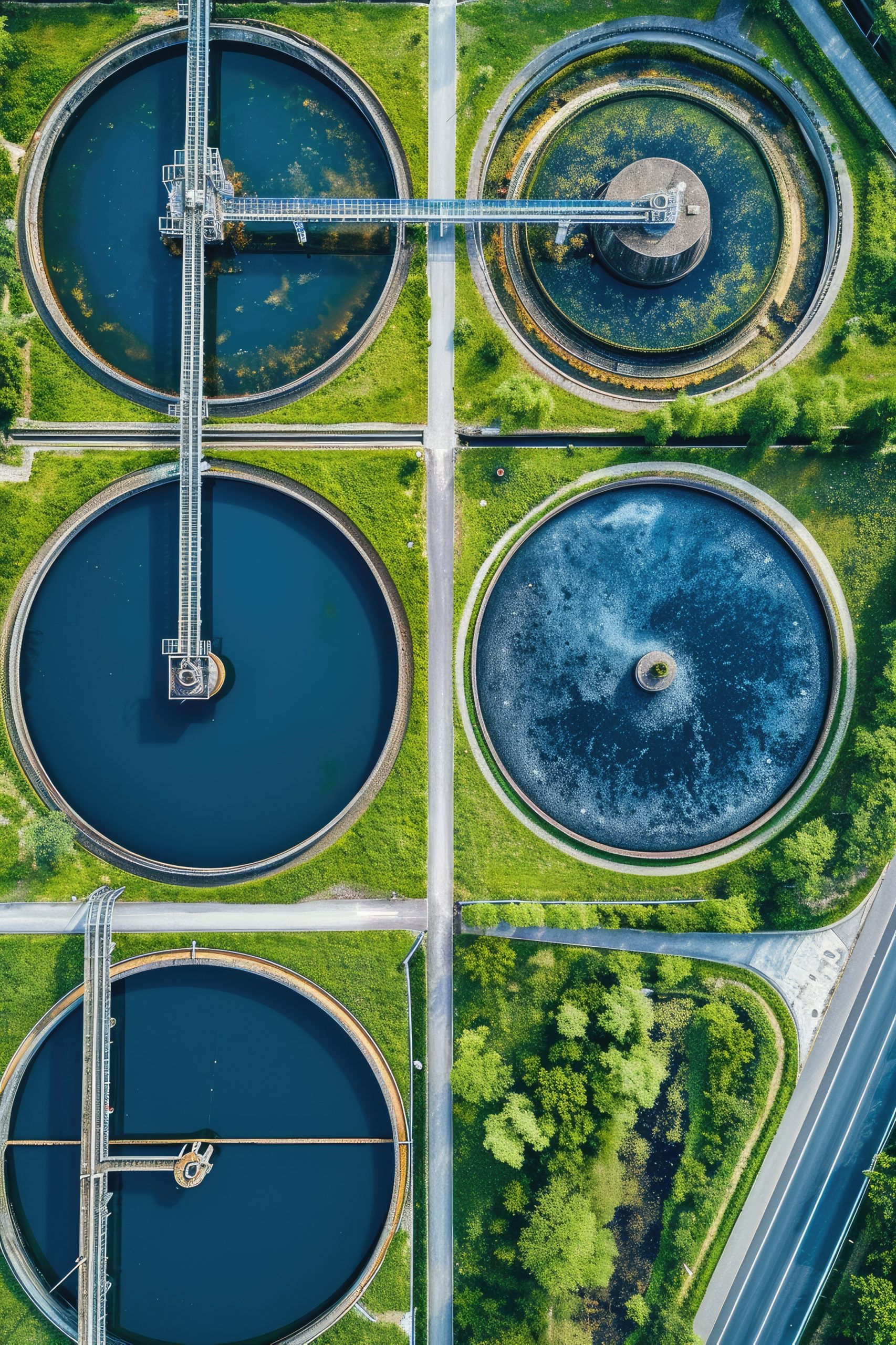
Water reuse is one of the key solutions, as it allows for the treatment of wastewater and its reuse, reducing pressure on traditional water sources and preserving ecosystems.

Another strategy is the implementation of building-level recycling systems, where rainwater, graywater, and blackwater are collected and reused. This helps to reduce dependence on external sources and minimize the water footprint.

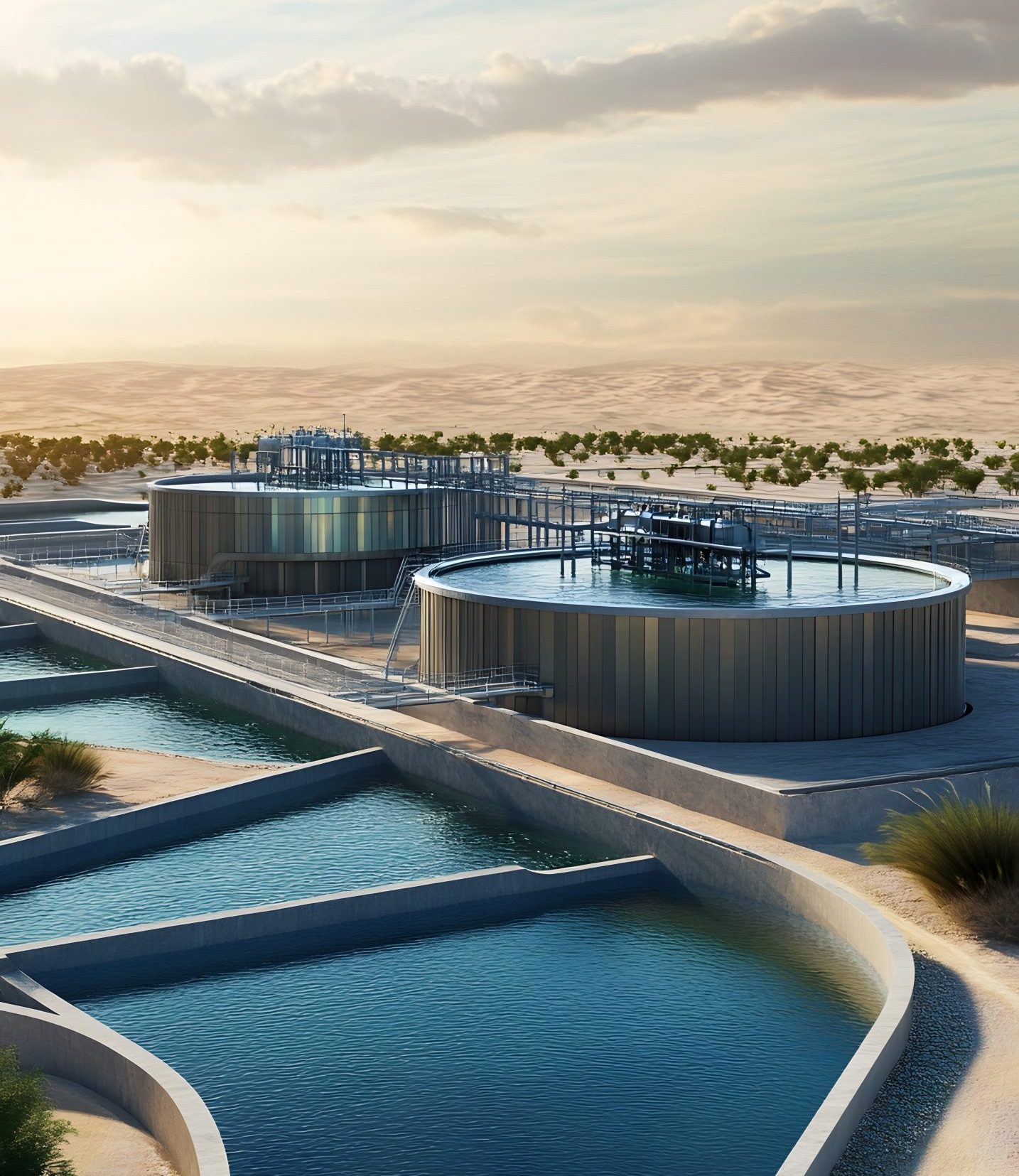
Desalination, on the other hand, is essential in countries with water scarcity. Although it has high energy consumption, the use of renewable sources such as solar and wind energy is helping to reduce its environmental impact.

Atmospheric water capture is another innovative technology that allows for the extraction of drinking water from the air, which is particularly useful in areas with limited access to other water sources. While it faces challenges related to energy consumption, it is a valuable alternative for remote communities or emergency situations.

Advanced Technologies for Water Capture and Reuse

Efficient water management has become crucial in light of increasing scarcity and the need for sustainable resources. David Sedlak highlights water reuse as an essential strategy to ensure access to water in the future, especially in vulnerable areas. In California, reuse through advanced technologies such as reverse osmosis has allowed for the recycling of water for indirect potable use, contributing to the sustainability of the resource.

Alejandro Jiménez, an expert from the Future Trends Forum, emphasizes the integration of renewable energy sources in water recycling plants to make these processes more sustainable. He also advocates for appropriate pricing policies and coordination among entities to ensure the economic viability of these infrastructures.

Advanced Technologies for Water Capture and Reuse

The key to making desalination more sustainable is to recycle water and reuse it at different stages of the process." – Alejandro Jiménez

xxx

"Singapore adopted a risk management approach with its 'four taps': local catchment water, imported water, 'new water' (recycled wastewater), and seawater desalination." - Adil Dhalla

xxx

The Spanish Company in Water Management

Companies like Idrica and Aqualia are also driving innovation. Jaime Barba and José Ramón Vázquez highlight how digital transformation and intersectoral collaboration are improving operational efficiency and enabling comprehensive and sustainable water management, both in Spain and globally.

With advanced technologies such as smart sensors and artificial intelligence, efforts have been made to reduce water leaks, optimize energy use, and manage distribution networks to be more resilient and efficient.

There is also ongoing work to achieve the goal of being energy positive in wastewater treatment plants, producing biogas from urban waste and bio-waste.

The Spanish Company in Water Management

Triple sustainability

Triple Sustainability

The triple sustainability of water encompasses environmental, financial, and equitable access aspects.

Environmental sustainability involves resilience to climate change and extreme events such as droughts and floods.

Regarding financial sustainability, it is crucial to invest in accessible and resilient infrastructure, as well as to design affordable water tariffs for the entire population. Innovative financial instruments, such as green bonds and crowdfunding, can attract investment to the sector.

Finally, long-term planning and community involvement are essential to ensure safe and sustainable access to water. Good governance and effective regulation are fundamental to balancing human and environmental needs and ensuring a secure water supply for future generations.

Triple Sustainability

"An interesting example is an urban project where we transformed a degraded area into a park, managing runoff water. Such initiatives improve the resilience of cities and increase neighborhood value." - José Ramón Vázquez

xxx

Financial Sustainability and Equitable Access

Financial sustainability and equitable access to water are fundamental pillars for addressing the global water crisis and ensuring a resilient future. Howard Neukrug advocates for the development of accessible and resilient infrastructure, as well as pricing structures that ensure access to water for all. He also emphasizes the importance of promoting education and community participation to achieve efficient resource use. Furthermore, Neukrug highlights the need to adopt an innovative approach in the design and financing of water projects, considering the integration of multifunctional infrastructures and floating solar panels.

Financial Sustainability and Equitable Access

"Innovation should not only focus on technical or financial solutions but also on how we define the problem, how we plan for the future, and how we listen to the communities we serve." - Ian Barker

xxx

Governance and Collaboration

"We are not failing due to a lack of financial or technological resources, but due to governance failures. At the core of the challenges, both in the delivery of water services and in the sustainable management of water resources, we find failures in decision-making." - Gonzalo Delacámara

xxx

Glen Daigger emphasizes the importance of mobilizing investments by overcoming social and political barriers that hinder changes in water management. He suggests that the adoption of new technologies, such as drinking water reuse, requires not only technological advances but also the building of consensus among the involved stakeholders and the legitimacy of the organizations implementing these changes. Daigger highlights that public perception and emotions play a crucial role, making it essential to develop communication strategies and adaptive planning to ensure the success of innovations.

Pascual Fernández focuses on the Spanish context, highlighting water governance at the municipal level with support from regional and national governments. He underscores the need to transform treatment plants into resource recovery facilities, complying with new legal requirements and improving sustainability. Fernández also emphasizes the urgent modernization of water infrastructure and the creation of tariffs that reflect the true cost of water supply.


Key Points and Recommended Actions

"The private sector has a fundamental role to play, especially in innovation and water risk management. However, for that participation to be effective, it must be aligned with public and social efforts." - Radhika Fox

xxx

Recommended Actions

These are the seven key recommendations proposed by the Bankinter Innovation Foundation to address these challenges:

Paradigm Shift in Water Use: It is urgent to adopt a management model based on water reuse and efficiency, promoting a circular economy. Regulators should foster regulatory frameworks that encourage sustainable use, while startups must develop technologies that drive this transition.

Technological Availability: Although advanced technologies exist, the challenge is to choose the right combination according to local needs. The key lies in adapting technological solutions to each geographical, energy, and social context, promoting their implementation with the support of investors and startups.

Promotion of Sustainable Technologies: Sectors such as agriculture and the textile industry must adopt technologies that reduce their water footprint. We emphasize the importance of collaboration among startups, industry, and investors to accelerate the adoption of these technologies, overcoming economic and technical barriers.


Recommended Actions

Reuse and Desalination: These solutions are essential in regions with water scarcity, but they still face obstacles in terms of costs and social acceptance. We highlight examples such as Singapore and Israel, which have demonstrated how the integration of renewable energies can make these technologies more viable in the long term.

Education and Awareness: The lack of public awareness limits the adoption of sustainable practices. It is crucial to educate society about the importance of water from an early age. We recommend that educators, startups, and the industry collaborate on educational campaigns that promote responsible water consumption.

Water Governance: Effective water management requires strong and transparent regulatory frameworks. We emphasize the need for regulators to work alongside the private sector and civil society to create structures that promote cooperation and accountability in water management.

Opportunity for Spain: The Bankinter Innovation Foundation views Spain as a global benchmark in sustainable water management, thanks to its expertise in advanced technologies and its geographical diversity. Spain should leverage this advantage to drive innovative policies and projects that can be exported to other regions.

The key to the future of water management lies in intersectoral collaboration, technological advancement, and public education, all within a framework of sustainability and equity.

What do you need?

We're here to help

Do you have any questions?

Contact us and we will try to resolve it as soon as possible.

Contact us

Do you want to always be up to date?

Subscribe to our newsletter and don't miss any news

Subscribe

Do you have any questions?

In the press center you can find everything you need.

Press room