AI-generated summary
The democratization of financial technologies has transformed finance by making it accessible to anyone with a mobile phone and a small amount of money. Previously reserved for experts, financial tools and automation now allow ordinary people to participate in markets with ease. This shift is exemplified by events such as the 2010 US micro-crash, caused by automated trading, and the 2021 GameStop phenomenon, where thousands of small investors collectively influenced stock prices, challenging traditional Wall Street players. These incidents highlight how fast, automated access to finance has empowered individuals to affect global financial systems.
This democratization has lowered barriers to entry, enabling people to invest through user-friendly platforms offering services like crowdlending and automated index funds. As a result, financial inclusion has expanded, particularly benefiting regions lacking traditional banking infrastructure. According to the World Bank, access to finance is a crucial driver of development, allowing small businesses and families to secure credit via smartphones. Innovations such as open banking and new financial products continue to disrupt the sector, promoting greater participation and impact. Experts gathered at the recent Future Trends Forum emphasize that fintech’s evolution is ongoing, promising further advances in accessible and inclusive finance worldwide.
New technologies are making their way into the world of finance and bringing it closer to the general public.
The democratization of financial technologies is a reality for anyone with a mobile phone and a few euros in their virtual wallet. Until not too many years ago, the bag was for technicians and advanced users. But its automation has revolutionized the sector and generated almost comical situations in which amateur users have strongly influenced.
The automation of finance
At 2:45 p.m. on May 6, 2010, there was an abrupt financial micro-crash in the United States that lasted only a few minutes.
Shortly after his arrest in the United Kingdom, the Spread tunnel managed to cross the Allegheny Mountains of Pennsylvania with a fiber optic cable. In this way,
These two events may not seem connected, but the common factor was lightning-fast and automatable access to the stock market. Something that has transformed finance by allowing millions of ordinary people, without training or knowledge of finance, to invest and even make decisions that affect the world system.
One very large, or many very small?
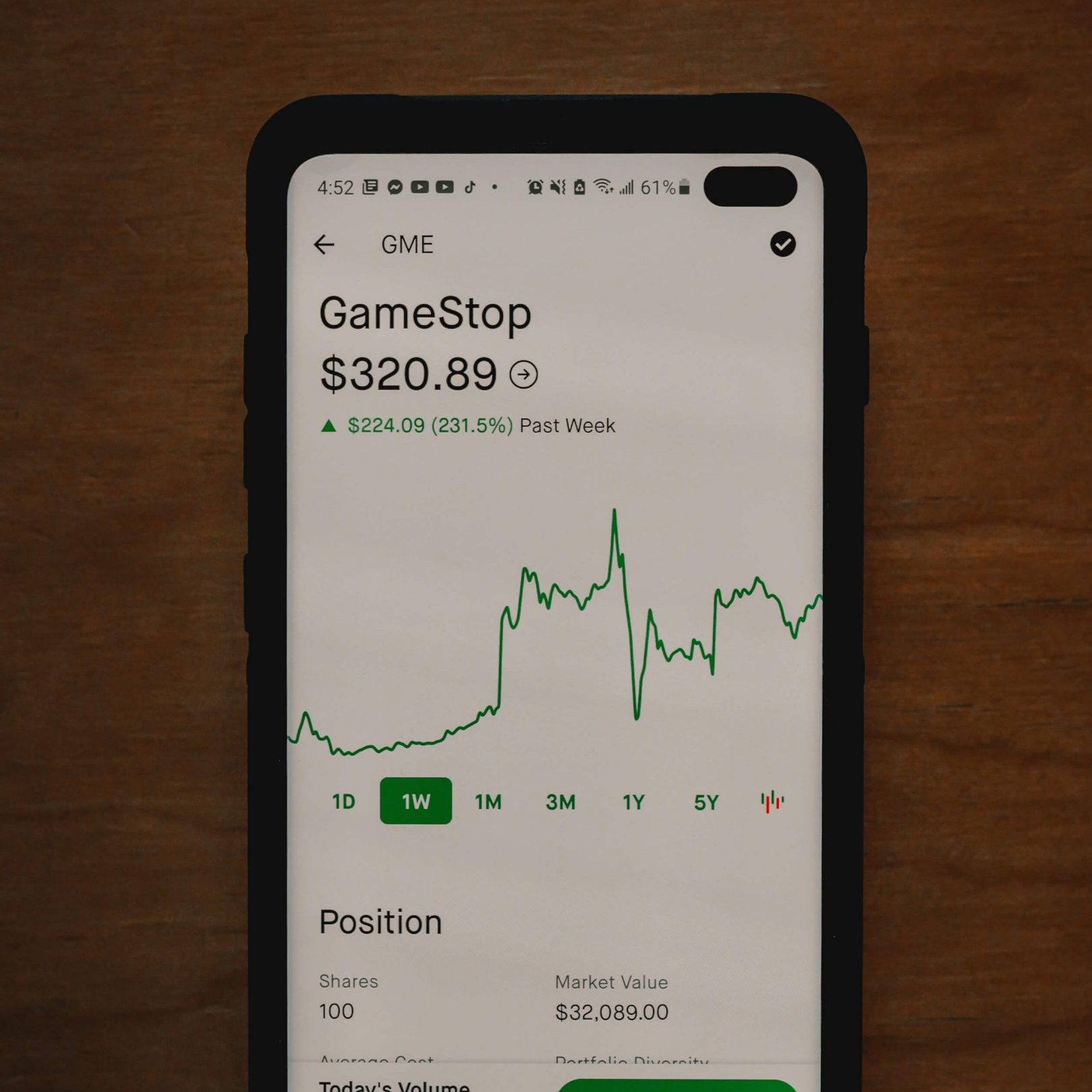
This democratization, the massive access of ordinary people to Wall Street and its markets, have caused curious situations such as the one experienced in January 2021. A group of many small investors called WallStreetBets grouped together inside a Reddit forum to troll Wall Street by inflating the price of GameStop, a chain of video game stores that had been falling for years.
Together (and this was the key) they organized one-off purchase events in which tens of thousands of tiny users collectively acquired significant fractions of shares. Slowly at first, GameStop came to see daily increases of +50% for weeks. Although that is not why the case became famous.
Many years earlier, large bearish Wall Street investors had bet on the fall in value. After all, it was a chain of physical video games in
The funny thing about all this is that tens of thousands of tiny users were forcing large financial agents to short their positions on GameStop as the value of GameStop rose. The higher it went up, the more senior investors had to buy to avoid losing money in the future. Those weeks a lesson was learned: many very young people can have an influence.
The democratization of finance

This joint action changed a good part of the rules of the game in financial matters. Large investments in technology, such as fibre optic tunnels or automation using artificial intelligence, far from driving out the small investor, have boosted and sustained it. The reason? Simple tools have been created at the user level from which to invest.
Now, anyone with a dozen euros and a mobile phone can open a banked account on a virtual platform and invest tiny amounts (under the patterns of traditional finance) in all kinds of projects. From crowdlending platforms, through which a lender contacts the borrower, to automated index funds, there are now more opportunities than before.
In other words, financial technology has democratized finance because many of the knowledge barriers necessary to operate on the stock market have been eliminated. While there are still tools for advanced users, the truth is that people have never had this kind of access to financial transactions, now easy and just a click away.
What is the positive impact of this democratization?
Financial technology, led by the democratizing phenomenon of open banking, is changing entire territories. Financial inclusion, in fact, is according to the World Bank one of the best tools for development, as described in their publication
In countries where classic bank branches are conspicuous by their absence, but mobile money is becoming the norm, small business owners and families can access lines of credit or finance from their smartphone, which gives them new opportunities.
Finance has been evolving for several centuries, although it is in recent years that we have seen the greatest disruptions. Open banking, the democratization of investments or NFTs are just some of the most notorious and recent examples, although it is a sector in continuous progress. In fact, the latest Future Trends Forum has brought together some of the leading international experts on the subject. Their findings, coming soon in our new FTF report.