
The pop-up economy is giving rise to the emergence of superfluid markets, where the movement, appearance and disappearance of companies has reached a very accelerated pace.
Technological development is modifying entire sectors, but they are also changing the management and efficiency systems of companies.
The main purpose of every company is to access and participate in the market as quickly as possible. In the pre-internet world,
At the XXVIII edition of the Future Trends Forum on Disruptive Business Models, the expert George Overholser, investor, entrepreneur and co-founder of the non-profit investment fund Capital Partners. He explains in this video how the process of creating a company has changed thanks to technology:
The ease of this process opens up the possibility of creating temporary companies, which are born for a specific purpose. They are usually stores (sale of tickets for a temporary event, sale of seasonal products, etc.) that are undone once their objectives have been achieved. These are the so-called pop-up companies.
Pop-up companies use cloud to host, open source programs to manage them, and e-commerce and payment platforms to carry out their transactions.
These types of companies are here to stay, according to Britain’s Pop-Up Retail Economy Report by the Centre for Economics and Business Research, pop-up stores have earned more than 2,300 million pounds in the United Kingdom during 2016; and more than 40% of consumers surveyed for the report had visited a pop-up store during that same year.
The pop-up economy is giving rise to the emergence of superfluid markets, where the movement, appearance and disappearance of companies has reached a very accelerated pace.
Do you want to know other new business models?
Download the publication Disruptive Business Models
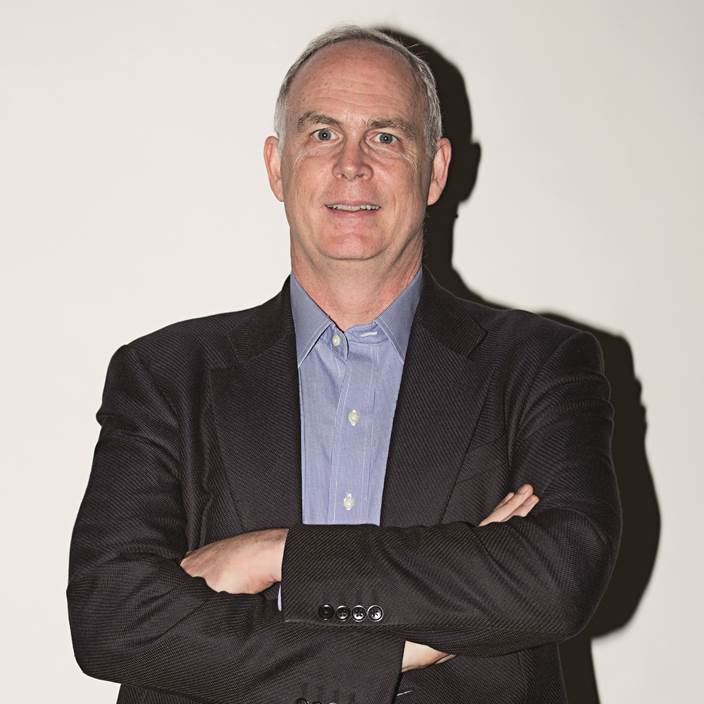
CEO y Cofundador en Third Sector Capital Partners