
AI-generated summary
The Future Trends Forum, organized by the Bankinter Innovation Foundation in Madrid under the theme “Tech to Table: Advances in agriculture that will define the future of food,” convened leading experts to discuss critical challenges in food security, sustainability, and agricultural innovation. Among the speakers, Adrián Ferrero, Co-founder and CEO of Biome Makers, emphasized the vital role of soil health in sustainable agriculture. Ferrero highlighted the alarming loss of arable land and the detrimental effects of unsustainable farming practices, such as overreliance on chemical inputs, which degrade soil quality and contribute to environmental pollution and climate change. He presented regenerative agriculture, supported by advanced soil microbiome analysis using DNA sequencing, as a holistic solution to restore soil fertility, enhance biodiversity, and improve resource efficiency.
Ferrero illustrated how Biome Makers uses cutting-edge technology to provide farmers with actionable insights into soil health, enabling more sustainable and profitable practices. This approach not only benefits producers but also connects consumers with transparent, science-based information about the sustainability and quality of their food. By linking soil health to food production, Biome Makers aims to transform the food supply chain, encouraging sustainable farming and environmentally responsible consumption. Ferrero concluded with a message of optimism, advocating for innovative technologies and regenerative practices as essential to creating a future where agriculture harmonizes with nature, ensuring food security and environmental sustainability.
Revolutionizing agriculture: Adrián Ferrero's vision of soil health and regenerative agriculture
The Future Trends Forum, under the slogan Tech to Table: Advances in agriculture that will define the future of food, organised by the Bankinter Innovation Foundation in Madrid, has brought together leading experts and key figures in the field of agriculture and food. This event focused on examining current and future challenges related to food security, sustainability and innovation in the agricultural sector, underlining the critical role of emerging technologies and new methods to revolutionize these essential fields.
One of the participating experts was Adrián Ferrero, Co-founder and CEO of Biome Makers, who gave a presentation entitled “Role of soil health in agriculture“. His intervention highlights the crucial importance of improving soil health through regenerative technology and practices to ensure sustainable and efficient agriculture.
If you want to see Adrián Ferrero’s presentation, you can do so in this video:
Adrian Ferrero: Role of Soil Health in Agriculture
Adrian Ferrero explains the crucial role that soil health plays in agriculture and how his company, Biome Makers, is at the forefront of this change. Ferrero emphasizes the need to evolve our perception of soil: to see it as an unarmed resource, to see it as a living ecosystem and central to agricultural production.
From Spain to the United States: An Entrepreneurial Journey
Biome Makers, founded in 2015 by Adrián Ferrero and his childhood friend Alberto Acedo, was launched in the United States, seeking to develop a technology that would connect the soil with decision-making mechanisms in agriculture. Despite initial challenges, Biome Makers partnered with genetic giant Illumina, becoming the first non-U.S. company to join its corporate accelerator program. Today, Biome Makers is a global leader in soil health analysis, working with more than 190 different crops and developing the world’s largest database of soil microbiomes.
Challenges and solutions for modern agriculture
Agriculture is facing significant challenges, including the climate crisis and the need to feed a growing population. Ferrero highlights a shocking fact: 95% of our food comes, directly or indirectly, from the soil. One of the biggest challenges is the loss of arable soil. In the last four decades, we have lost a third of arable land, mainly due to unsustainable agricultural practices. This problem is compounded by dependence on chemical inputs, the overuse of which has degraded soil quality and fertility and has also contributed to environmental pollution and climate change.
Another significant challenge is inefficiency in the use of resources. Despite technological advances, a large proportion of the inputs applied to crops are lost, not being absorbed by plants. This represents a waste of economic resources and has a negative environmental impact, contributing to the emission of greenhouse gases and the contamination of aquifers. Some data that Adrián Ferrero shares to illustrate the magnitude of the problem are:
- The effects of climate change will reduce global economic output by 11% to 14% by 2050. This represents a reduction of up to 23 trillion dollars per year in global economic output as a result of climate change.
- 70% of the available fresh water is consumed in agriculture. That is why sustainable water resource management is essential to increase water productivity in food and agriculture.
- Some 2.2 billion people worldwide lack safely managed drinking water services.
- The economic cost of food waste is $940 billion a year, according to the FAO.
- Two billion people in the world are currently suffering from malnutrition and, according to some estimates, we need 60% more food to feed the world’s population by 2050.
Faced with these challenges, Ferrero proposes solutions focused on technological innovation and the adoption of regenerative agricultural practices. Technology plays a crucial role, particularly in improving soil health through
Regenerative agriculture is presented as a holistic solution that addresses soil health by considering the agricultural ecosystem in its entirety. This approach promotes practices that increase biodiversity, improve water and nutrient cycles, and strengthen crop resilience to climate change. In addition, regenerative agriculture seeks profitability for farmers, ensuring that sustainable practices are also economically viable.
Soil health as a cornerstone of modern agriculture
Biome Makers promotes regenerative agriculture, focused on soil health and microbial biodiversity as key indicators for agricultural sustainability. Using DNA sequencing, Biome Makers analyzes the microbial biodiversity of the soil, providing farmers with actionable data to improve their practices and, ultimately, their profitability. This approach seeks to preserve and restore soil fertility and reduce the environmental impact of agriculture.
Connecting the floor with the consumer
In a world that is increasingly aware of sustainability, consumers demand transparency and traceability in the products they consume. They want to make sure that the food they choose is healthy and nutritious and is also produced in a way that respects the environment and contributes to the sustainability of the planet. This is where the technology that connects the floor to the consumer plays a crucial role. By using advanced DNA analysis and microbiome sequencing techniques, Biome Makers can assess soil health on farms, providing a soil “fingerprint” that reflects the farming practices used. This information allows soils to be classified according to their health and cultivation practices, offering a way to scientifically certify the sustainability of products. This direct connection between soil health and food quality offers consumers a new dimension of transparency. For the first time, consumers can have a clear, science-based view of how growing practices affect both the environment and the nutritional quality and safety of the food they choose.
Impact on the food supply chain
This new way of understanding and communicating food quality and sustainability has the potential to transform the entire food supply chain. Producers can be incentivized to adopt more sustainable and regenerative practices, knowing that this can differentiate their products in the marketplace. At the same time, distributors and retailers can use this information to make more informed decisions about the products they choose to offer, preferring those that are sustainably produced.
Towards a sustainable future
Ferrero’s presentation closes with a clear and hopeful message: improving soil health is essential to ensure sustainable, profitable and high-quality food production. With the right technology and knowledge, it is possible to reverse the damage done to the soil and move towards a future where agriculture works in harmony with nature, benefiting producers, consumers and the planet.
If you want to delve deeper into the opportunities and challenges of agriculture and food, don’t miss the summary Tech to Table: Advances in agriculture that will define the future of food.
You can also read articles about other presentations by experts participating in this Future Trends Forum:
Economic paradoxes in food security and long-term climate adaptation, with Gonzalo Delacámara.
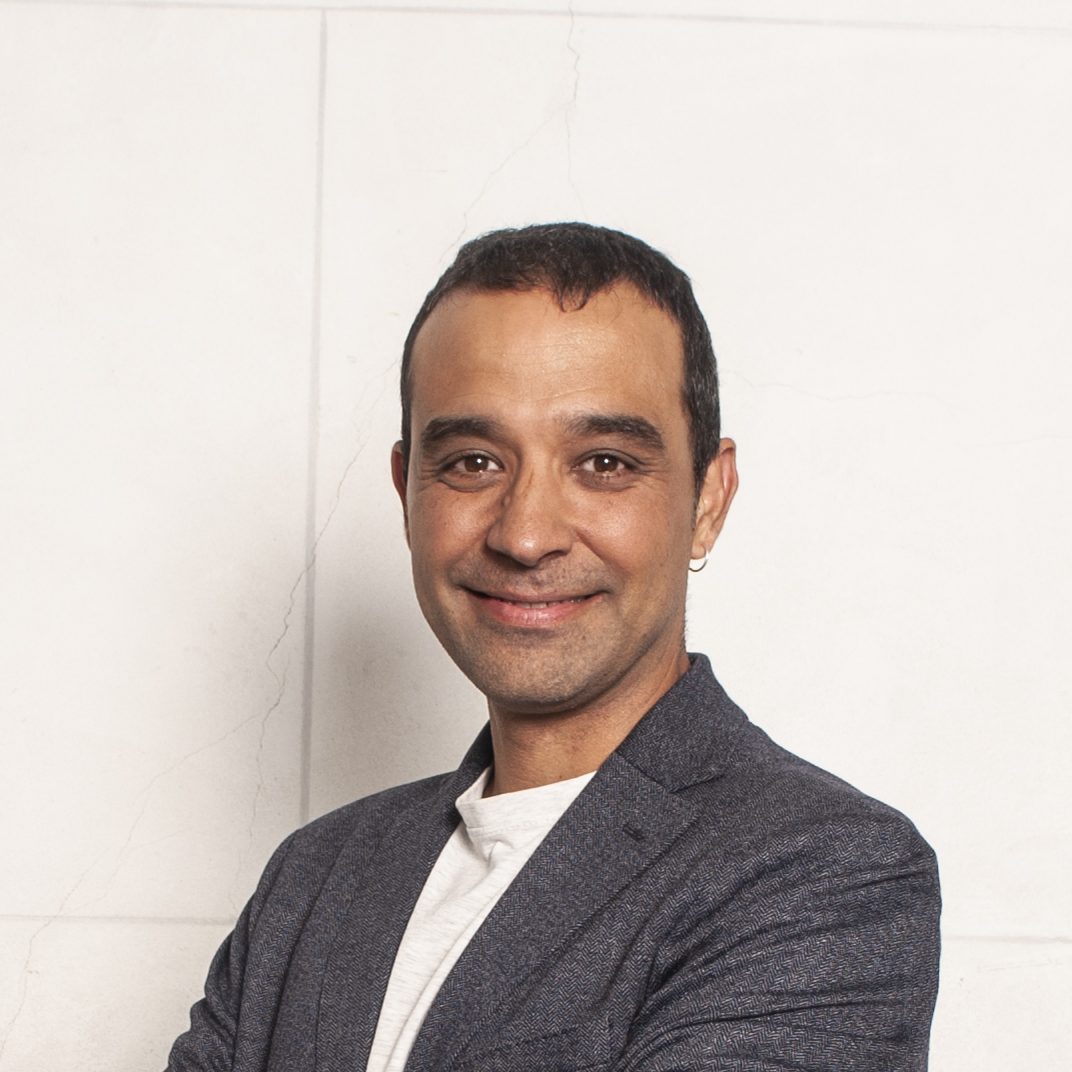
Cofundador y CEO de Biome Makers