Physical AI

Physical Artificial Intelligence

Physical AI

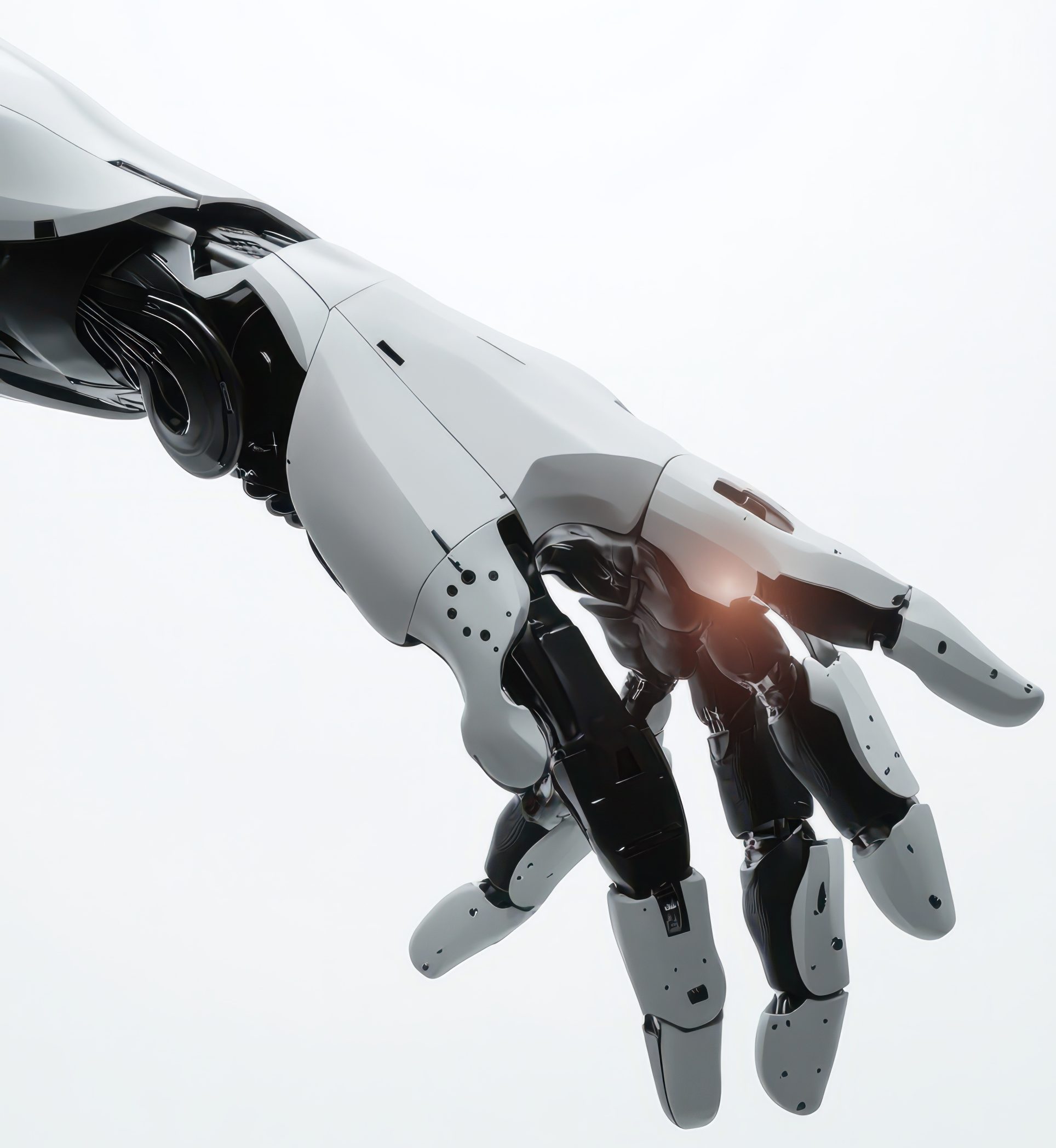
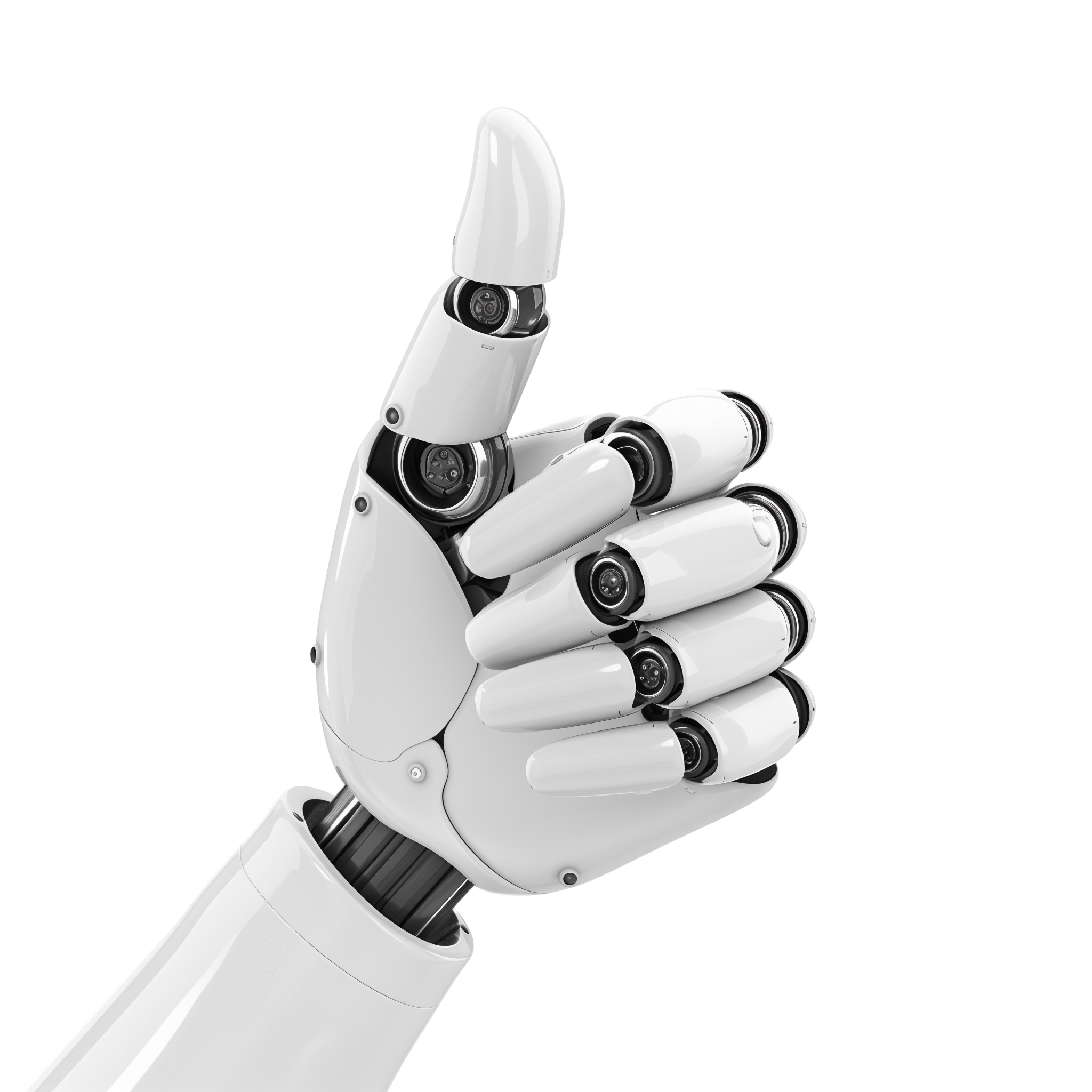
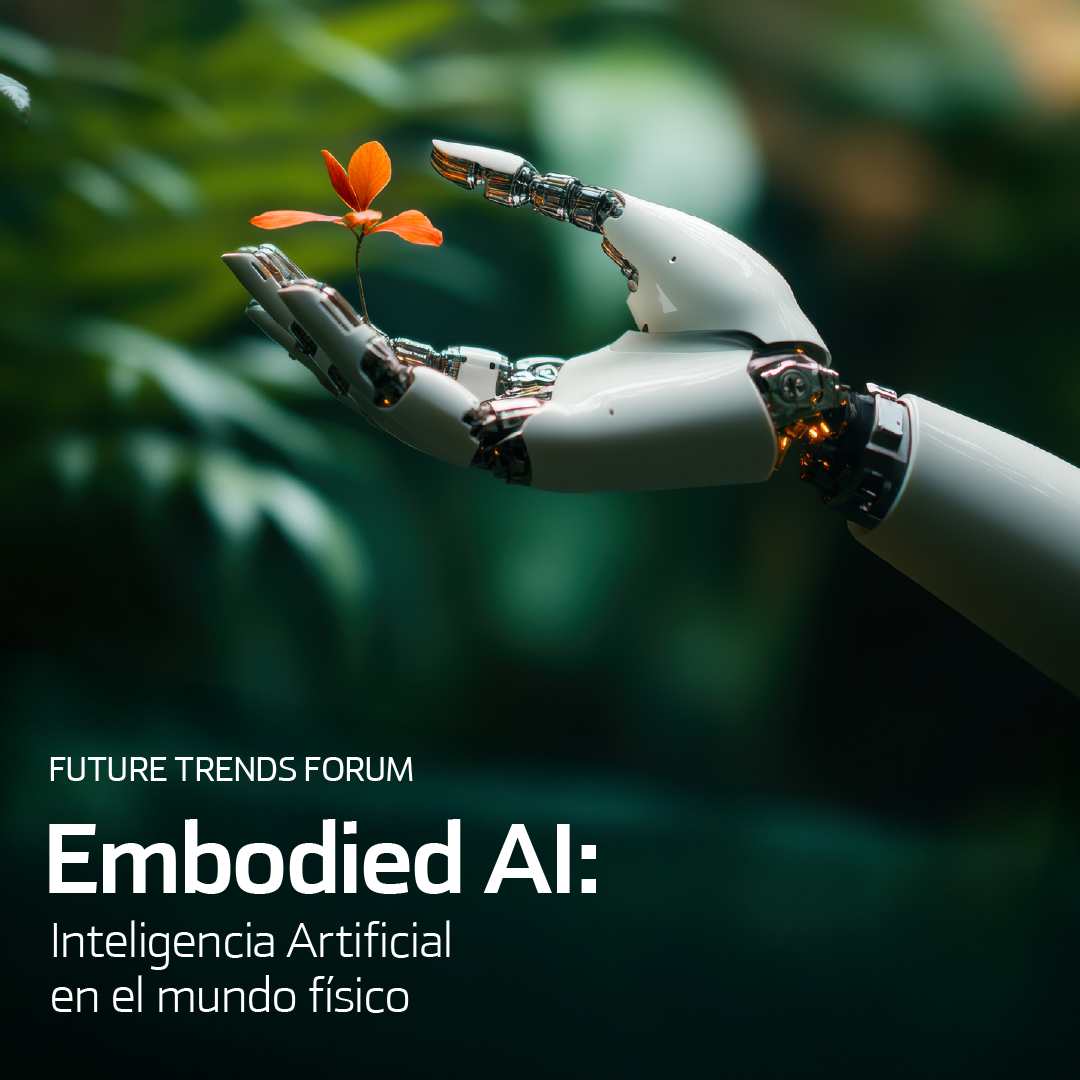
Embodied AI is revolutionizing the way machines interact with the real world. Thanks to advanced sensors, actuators, and learning models, artificial intelligence not only processes information, but also perceives, acts, and adapts.

This advance represents a paradigm shift in the relationship between humans and machines. This opens up new possibilities in sectors such as healthcare, mobility and industrial automation, where the ability to adapt and learn in real time is key.

What is physical AI?

Physical AI combines advanced cognitive capabilities with physical interaction in the environment. Unlike traditional AI, which only processes data, physical AI perceives and acts in the real world.

Key Principles of Physical AI

  • Embodiment: It’s not just software, it needs a physical body.
  • Multimodal interaction: It uses sight, sound, and touch to understand the environment.
  • Adaptive learning: Adapts to changes in real time.
  • Cognition and action: In addition to “thinking” but making physical decisions.
  • Spatial and temporal awareness: Plan and anticipate future events.

Evolution and state of the art of physical AI

The development of physical AI represents a shift in the way we understand artificial intelligence, moving from purely digital systems to models capable of operating in the physical world.

Life as the foundation of intelligence

Research in neuroscience and biology has shown that intelligence is deeply linked to corporeality and interaction with the environment. According to Antonio Damasio, consciousness arises from biological processes such as homeostasis, which poses a fundamental challenge for AI: can a machine achieve intelligence without a biological basis?

Although current AI can simulate cognitive processes, it lacks the biological dimension that characterizes human intelligence. However, systems that integrate internal sensors are being explored to simulate some vital regulation processes in artificial environments.

Evolution and state of the art of physical AI

The role of world models in physical AI

Recent advances in AI models are allowing systems to develop internal representations of their environment. So-called “world models” are generative systems that simulate three-dimensional space and its physical dynamics, allowing machines to anticipate events and make smarter decisions.

Unlike traditional models, which rely on pre-programmed data, the world’s models learn from interacting with their environment, improving their ability to adapt. This is key in applications such as autonomous robotics, smart mobility and industrial automation.

The role of world models in physical AI

Key trends in physical AI

  1. Foundational models: AI capable of integrating multiple data sources and performing complex tasks with less specific training.
  2. Multisensory perception: Use of vision, touch, and sound to interpret the environment more accurately.
  3. Advanced Simulation: Using synthetic data to train AI models without the need for real-world testing.
  4. Autonomous learning: Systems that can improve their performance without direct human intervention.

These advances are marking a turning point in the evolution of physical AI, opening the door to new applications in strategic sectors.

Key trends in physical AI

Advancements Applications

Advances in robotics, sensors, and AI models are enabling innovative applications across multiple industries. The combination of advanced hardware and artificial intelligence algorithms is making it possible for machines not only to process data, but to interact autonomously with their environment.

Applications of physical AI range from industry and mobility to healthcare and smart spaces, revolutionizing the way we work, move and engage with technology.

Autonomous Mobility

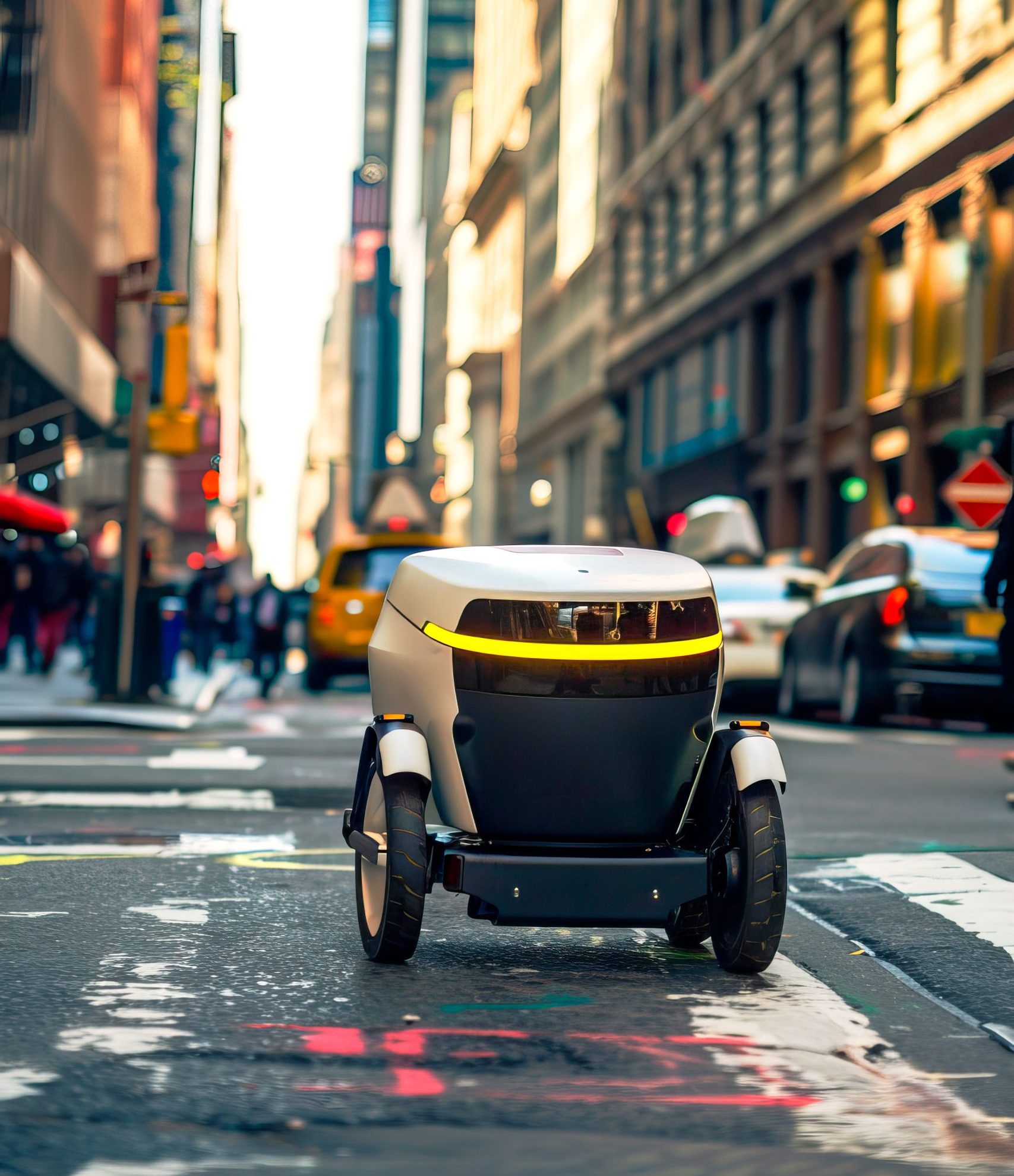
Autonomous vehicles are improving transport safety and efficiency thanks to advanced models that allow them to predict and adapt to their environment in real time. Next-generation autonomous driving employs foundational models that interpret multiple signals from the environment, from the speed of other vehicles to the behavior of pedestrians, optimizing decision-making in dynamic situations.

In addition, advanced simulations with synthetic data are accelerating the development of these systems without the need for extensive testing on real roads. These innovations are paving the way for safer, more efficient and sustainable mobility.

Autonomous Mobility

Industry 4.0

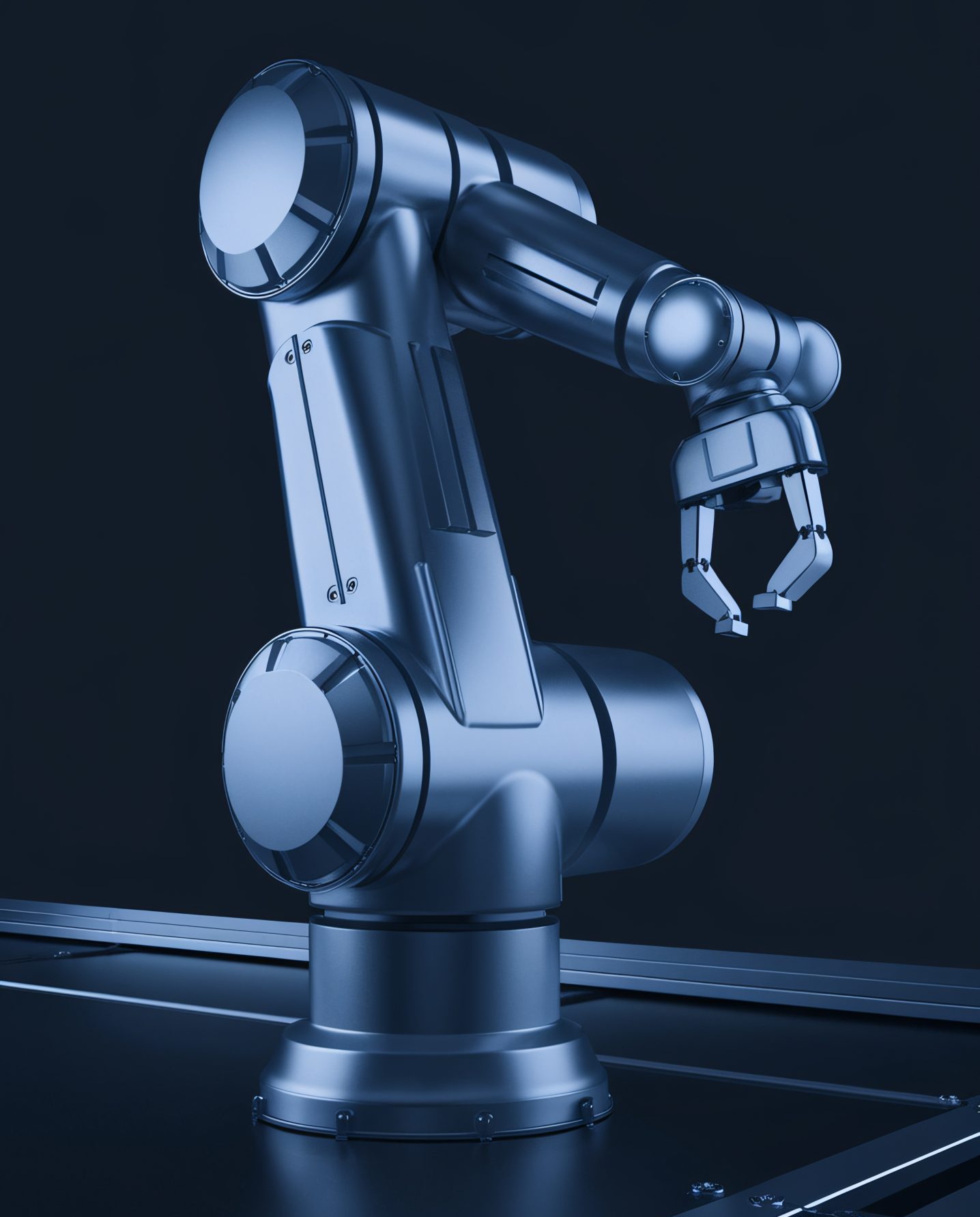
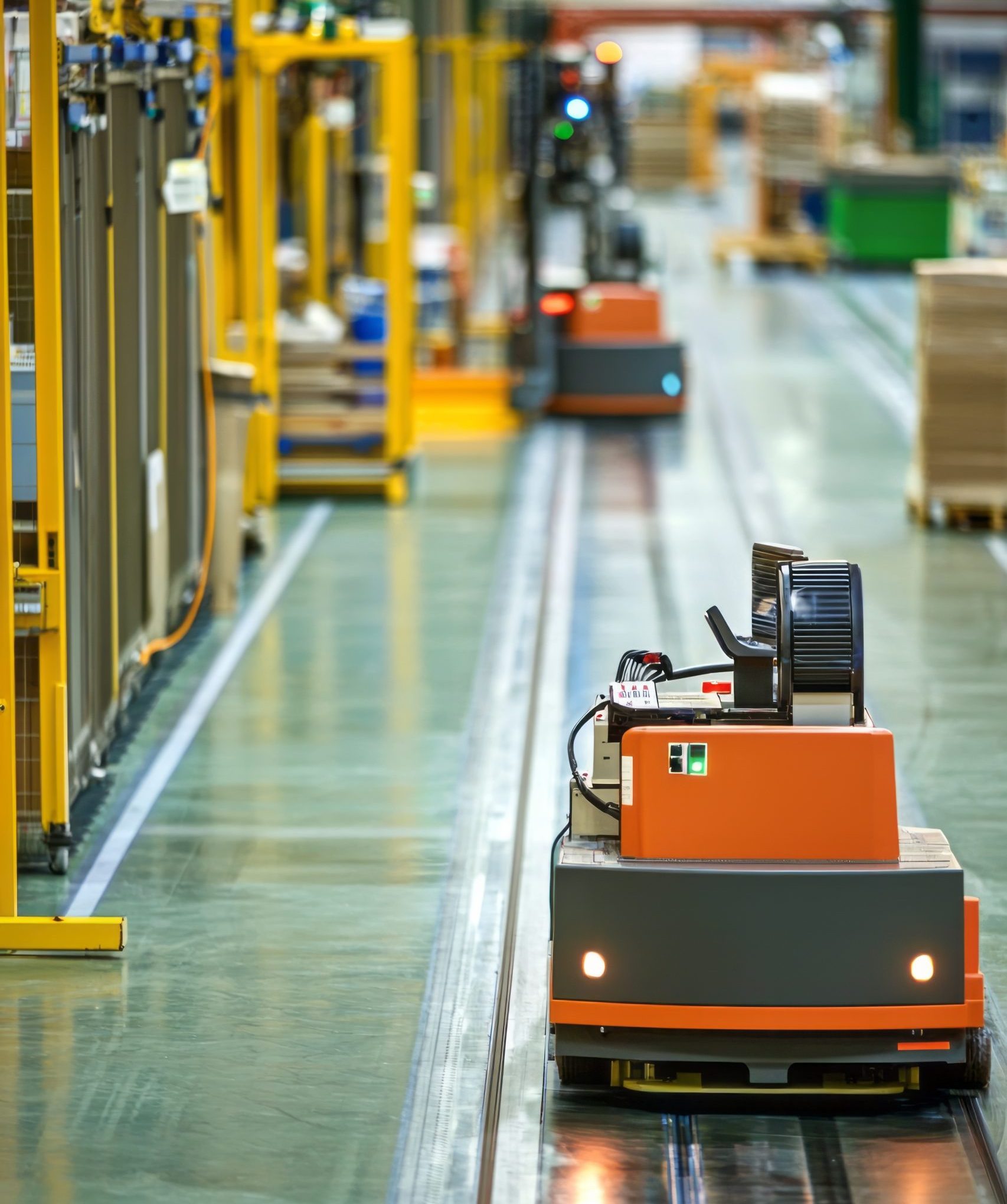
Collaborative robots (cobots) are transforming industrial production by enabling greater interaction between humans and machines. Unlike traditional industrial robots, cobots are able to adapt to their environment and learn from experience, making them ideal for assembly, logistics, and maintenance tasks.

On the other hand, the development of digital twins is making it possible to simulate industrial processes in virtual environments before implementing them in the real world, optimizing efficiency and reducing operating costs. In addition, the integration of physical AI with advanced sensors is improving predictive maintenance, reducing failures and downtime in factories.

Industry 4.0

Health Wellness

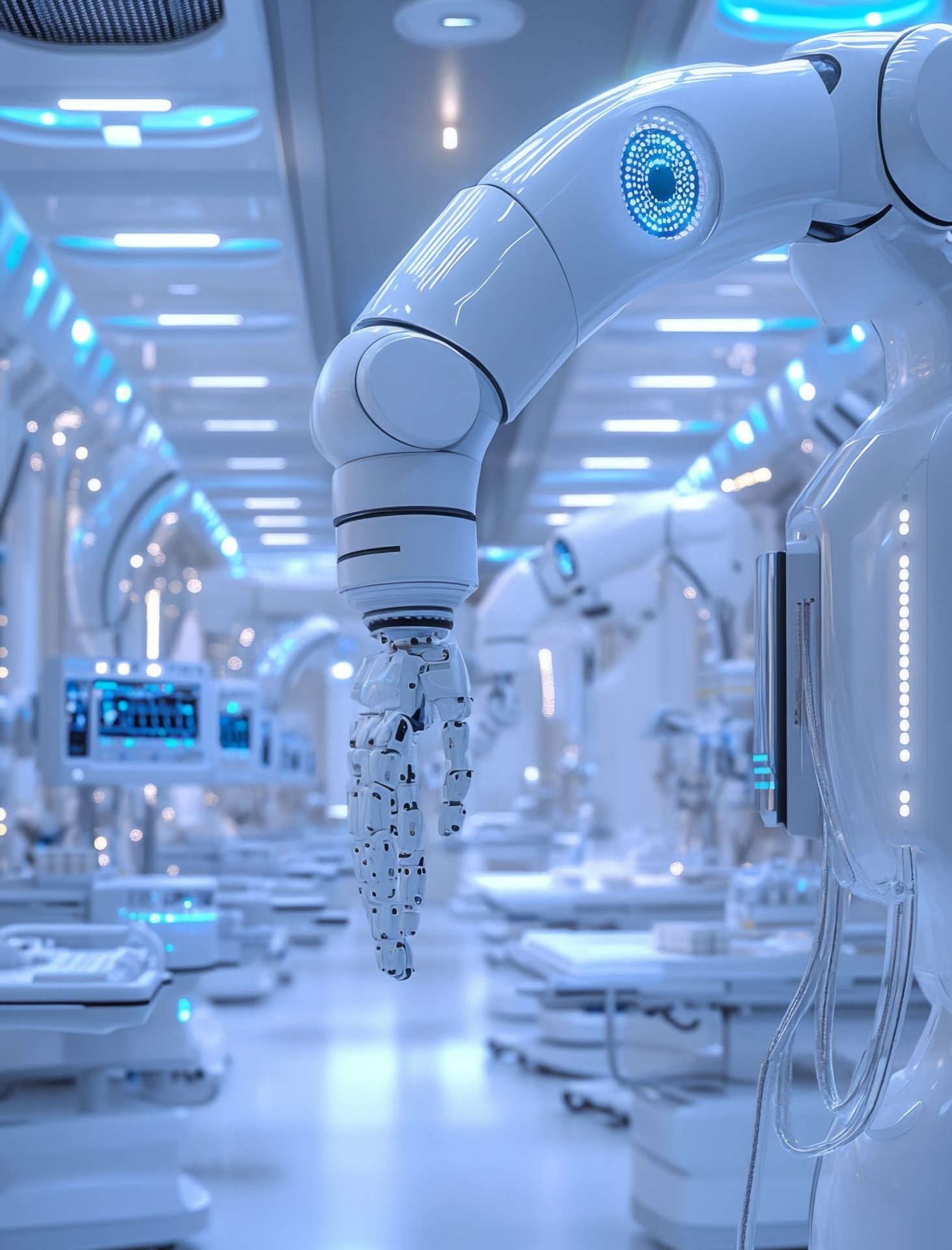
Physical AI is revolutionizing healthcare with high-precision surgical robots, elderly care assistants, and smart medical devices.

Surgical robots are making it possible to perform more precise and less invasive interventions, reducing the recovery time of patients. In the field of care, devices such as ElliQ, an assistant designed to reduce loneliness in older people, are demonstrating that physical AI can improve emotional well-being and quality of life.

In addition, exoskeletons and bionic prostheses are helping people with reduced mobility to regain independence, while medical devices with integrated AI are optimizing monitoring and early detection of diseases.

Health  Wellness

Smart Spaces

Smart homes and offices are incorporating physical AI to improve energy efficiency, security, and accessibility.

Advanced sensors allow home automation systems to adjust temperature, lighting and ventilation based on the presence and preferences of the occupants. In work environments, assistive robots are facilitating tasks such as inventory management and automated cleaning.

In addition, physical AI systems applied to security can detect anomalous patterns in real time, improving protection in public and private spaces.

The advancement of physical AI is redefining the relationship between humans and technology, with a direct impact on productivity, sustainability, and quality of life in various areas.

Smart Spaces

Impact on the Economy and Work

Physical AI is transforming the labor market, redefining occupations and generating new business models. Its impact varies according to the level of qualification of the workers and the degree of automation of the tasks.

Reshaping the labour market

  • Automation of repetitive tasks: Physical AI is replacing routine tasks in industries such as manufacturing, logistics, and customer service. This allows workers to focus on more creative and strategic roles.
  • Change in the skills in demand: The growing adoption of physical AI requires training in robotics, human-machine interfaces, and data analytics. Workers with knowledge in these areas will have greater opportunities in the future.
  • New job opportunities: Jobs are being created in the development, maintenance, and monitoring of physical AI systems. In addition, sectors such as healthcare and mobility are generating new professional demands in human-machine interaction.

New business models powered by physical AI

  • Robot-as-a-Service (RaaS): Companies can access robots and autonomous systems under a subscription or rental model, reducing upfront costs and increasing flexibility.
  • Open Source Platforms: Global collaboration in physical AI is facilitating the development of accessible solutions for businesses of all sizes.
  • Industrial process optimization: Physical AI is improving efficiency in factories and warehouses through collaborative robots and advanced automation systems.
New business models powered by physical AI

Challenges and opportunities

While physical AI presents opportunities to increase productivity and improve quality of life, it also poses challenges in terms of labor adaptation and regulation. Education and training will be key to ensuring an equitable transition and maximizing the benefits of this new technological revolution.

Geostrategy and Investment in Physical AI

The global competition for leadership in physical AI is defining new economic and technological dynamics.

Competition between regions

  • The United States and China are leading the development of physical AI with heavy investments in advanced robotics and artificial intelligence models.
  • Europe seeks to position itself with an approach based on regulation, ethics and technological sovereignty.
  • Other emerging players, such as Japan and South Korea, are developing innovative solutions in humanoid robotics and AI applied to industry.

Investments in Physical AI

  • Large investment funds are betting on physical AI startups in health, mobility and industrial automation.
  • Governments and regulators are pushing strategies to foster innovation as they seek to balance safety and competitiveness.
  • Technology companies and industrial corporations are incorporating physical AI into their processes to improve efficiency and reduce costs.

The development of physical AI will not only mark the technological future, but will redefine the economic and strategic relationships between the main global players.

Ethics and Regulation

The development of physical AI poses ethical and regulatory challenges that need to be addressed to ensure safe and equitable implementation. As these technologies are integrated into key sectors, it is critical to establish regulatory frameworks that balance innovation with the protection of people’s rights and safety.

Main ethical challenges

  • Safety and Responsibility: The interaction of autonomous systems with the physical world introduces new risks. Who is responsible in the event of a failure in an autonomous car or an assistance robot?
  • Bias and discrimination: Physical AI is trained on data that may contain cultural, gender, or economic biases. If left uncorrected, these systems can perpetuate inequalities and lead to discrimination in decision-making.
  • Privacy and Data Collection: Physical AI devices collect information through sensors and cameras, raising concerns about the use and storage of personal data.
  • Human autonomy and control: As systems become smarter and more autonomous, it is crucial to ensure that they remain understandable and controllable by humans, avoiding opaque or uncontrollable decisions.
Main ethical challenges

Regulation and governance strategies

One of the most critical aspects is cybersecurity, as these systems interact directly with the physical world and can be vulnerable to attacks that compromise critical infrastructure, from industrial robots to autonomous vehicles.

To mitigate these risks, it is critical to establish robust regulatory frameworks that ensure the integrity, privacy, and resilience of physical AI systems.

The challenge is to design regulations that protect citizens without slowing down technological progress. To do this, collaborations between governments, companies and research centers are needed, establishing ethical and technical standards that guide the development of physical AI in a responsible way.

Regulation and governance strategies

Conclusions

  • Physical AI will usher in a new era of human-machine interaction. The combination of artificial intelligence with real-world perception and action opens up unprecedented possibilities, from healthcare robots in hospitals to smart urban infrastructure.
  • Investments and geopolitical competition will determine leadership in this technology. The United States, China, and Europe are pursuing different strategies to capitalize on the opportunities offered by physical AI, which will influence the shaping of global markets.
  • The impact on employment requires adaptation strategies. While some jobs will be automated, new opportunities will arise in areas such as human-machine interface development, robotics, and multimodal data management. Education and continuous training will be key for the workforce to be able to integrate into this new reality.
  • The balance between regulation and innovation will be key. Physical AI poses ethical and safety dilemmas that must be addressed through clear regulations, without slowing down technological progress.
Download report

What do you need?

We're here to help

Do you have any questions?

Contact us and we will try to resolve it as soon as possible.

Contact us

Do you want to always be up to date?

Subscribe to our newsletter and don't miss any news

Subscribe

Do you have any questions?

In the press center you can find everything you need.

Press room