
AI-generated summary
The Future Trends Forum, organized by the Bankinter Innovation Foundation in Madrid under the theme “Smart Agriculture: the challenge of sustainable food,” convened expert leaders to address pressing issues in food security, sustainability, and agricultural innovation. A key participant, Delia Pérez, Vice President at Aptar, highlighted the role of active packaging technology in combating global food waste—a problem where approximately one-third of produced food, worth a trillion euros, is discarded, primarily at the consumer and retail levels. Active packaging incorporates antimicrobial agents and controls moisture and gases to extend shelf life, improve food safety, and reduce reliance on artificial preservatives. Aptar has adapted pharmaceutical technologies for food packaging, creating affordable solutions applicable to diverse products like fruits, vegetables, meats, and seafood, exemplified by their collaboration with Walmart to package seafood at source, cutting supply chain costs by 20%.
Two pivotal technologies Pérez discussed include three-phase polymers that embed active components to absorb gases and eliminate pathogens such as Salmonella and E. coli, and adaptive packaging designed to maintain freshness during thawing processes. The benefits of active packaging encompass enhanced food safety, significant reduction in food waste, and increased sustainability through recyclable and compostable materials. Consumer studies indicate positive reception toward these innovations, which also improve convenience. Aptar continues to research natural materials to advance the efficacy and eco-friendliness of active packaging, positioning this technology as a promising solution to global food challenges.
How Active Packaging Is Revolutionizing the Food Industry by Prolonging Shelf Life and Ensuring Food Safety
The think tank Future Trends Forum, under the slogan Smart Agriculture: the challenge of sustainable food, organised by the Bankinter Innovation Foundation in Madrid, has brought together leading experts and key figures in the field of agriculture and food. This event focused on examining current and future challenges related to food security, sustainability and innovation in the agricultural sector, underlining the critical role of emerging technologies and new methods to revolutionize these essential fields.
One such key figure has been Delia Pérez, Vice President of Emerging Business and Technology Acceleration at Aptar, a leading provider of dispensing and packaging solutions for the food and beverage industry.
In the presentation entitled “Food safety and waste reduction through active packaging“, Delia Pérez presents innovative solutions to reduce food waste through active packaging. These technologies extend shelf life and improve food safety by controlling moisture and gases, and eliminating bacteria. In addition, APTAR works to make these containers recyclable and compostable, contributing to sustainability.
If you want to see Delia Pérez’s presentation, you can do so in this video:
Delia Pérez: Food safety and waste reduction through active packaging
Below, we summarize Delia Pérez’s presentation:
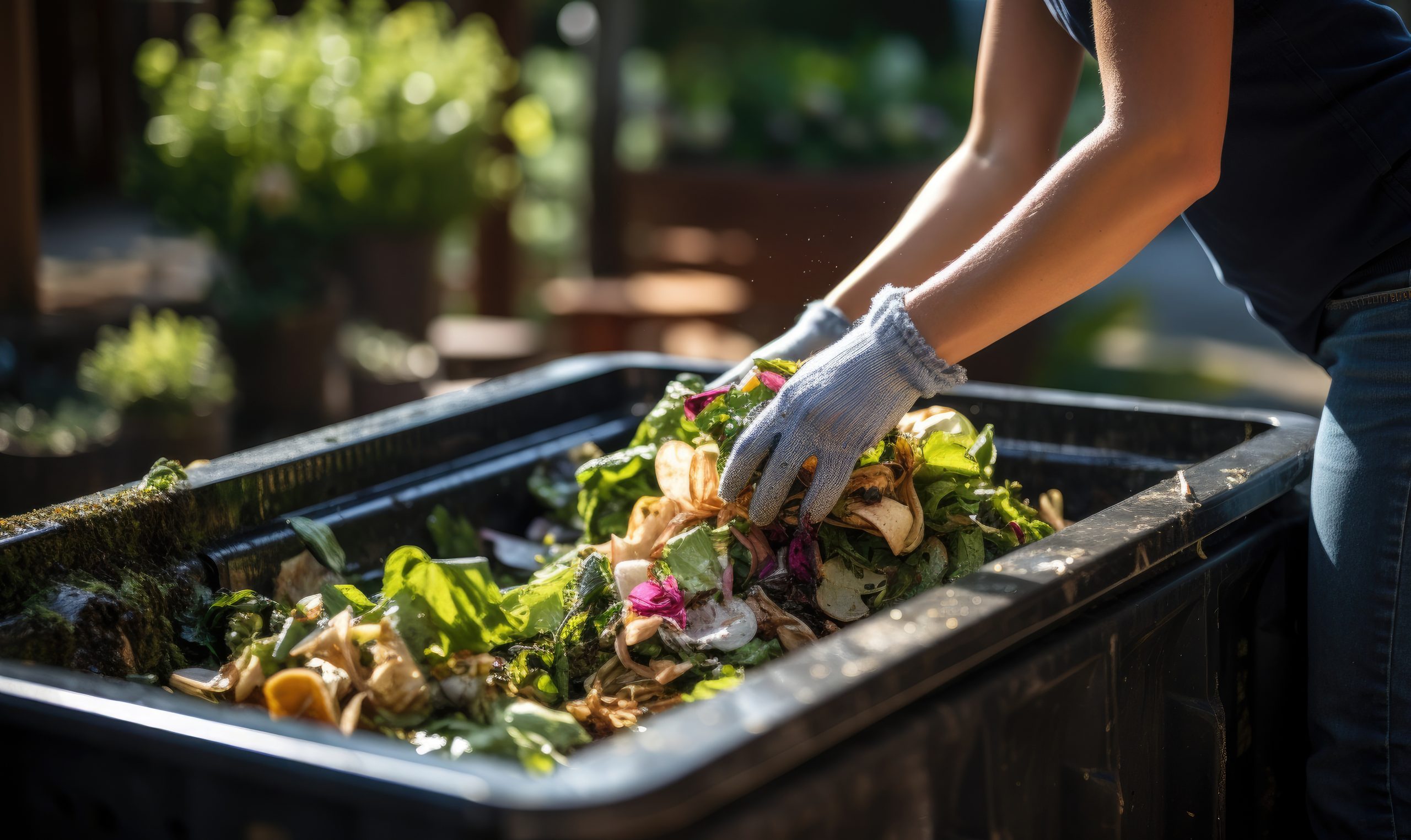
Food waste is a global problem of enormous proportions. According to Delia Pérez, approximately a third of the food produced in the world is wasted, which is equivalent to 1.3 billion tons and a value of one trillion euros. Faced with this problem, active packaging is presented as an innovative solution that can help significantly reduce food waste and improve food safety.
Food waste: a detailed look
Delia Pérez stresses that 45% of fruit and vegetables are wasted, as they are particularly perishable products and difficult to preserve. In the same way, 35% of seafood is wasted, which requires very specific storage conditions to maintain its freshness. Even 30% of cereals are wasted, despite their relative ease of storage compared to other foods. Finally, 20% of all dairy products and meats produced are also wasted. What’s surprising is that the largest percentage of this waste occurs in households, at 43%, followed by restaurants, grocery stores, and food service companies at 40%. Farms and manufacturers, by comparison, account for only 18% of total waste.
These data indicate that solutions to reduce food waste must focus on improving production and storage practices and, even more, on changing consumer habits and business practices at points of sale and service.
Packaging innovation: a proactive solution
Aptar has been working for 13 years on active packaging solutions to combat food waste. Pérez explains that his company has taken advantage of the technologies developed for the pharmaceutical industry and has adapted them for use in food. This adaptation has enabled active packaging solutions to be affordable and effective. Pérez explains that active packaging uses antimicrobial components and technologies that control moisture and gases within the packaging, such asCO2 and oxygen. This helps to keep food fresher longer and reduce the need for artificial preservatives, which can be harmful to health.
The company has been able to apply these advances in a variety of food products, including fruits and vegetables, meats, frozen products, and plant-based foods. For example, Aptar has collaborated with Walmart to develop packaging that allows seafood to be packaged at source, frozen, and then sold in stores as fresh. This method, in addition to preserving the freshness and quality of the seafood, reduces supply chain costs by 20%.
Key technologies in active packaging
Pérez highlights two main technologies in the field of active packaging:
Three-phase polymers: This technology uses polymers that contain channels where active components can be incorporated. In other words, they have developed a technology that allows one or more chemicals to be incorporated into a polymer solution that preserves the performance of the chemicals while maintaining the physical properties of the polymer. These components can absorb or control moisture,CO2, oxygen, and ethylene, as well as have antimicrobial properties, allowing bacteria such as Salmonella, E. coli, and Listeria to be eliminated, prolonging the shelf life of products. It should be noted that, in the United States alone, the Centers for Disease Control and Prevention estimates that the cost of illnesses related to Listeria, E. coli, Norovirus, and Salmonella exceeds $9 billion annually, not including litigation and waste associated with food recalls. On the other hand, it is estimated that, each year, 48 million people fall ill from a foodborne illness, 128,000 are hospitalized and 3,000 die.
Adaptive packaging for the supply chain: A practical example of this technology is the development of packaging for Walmart, mentioned above. This solution ensures the freshness and safety of food by eliminating bacteria during thawing.
This video illustrates the technology used:
Benefits of Active Packaging
Active packaging offers several benefits, including:
Food safety: By incorporating antimicrobial properties, active packaging extends the shelf life of food and ensures that products are safe for consumption. Pérez points out that the elimination of artificial preservatives and protection against humidity are crucial to maintaining food quality.
Reduced waste: By extending the shelf life of products, active packaging reduces the amount of food that is thrown away, both in homes and at points of sale.
Sustainability: Aptar is working to make its packaging recyclable and compostable, with the aim of reducing the use of plastics by 90%.
Consumer Challenges and Perceptions
A critical aspect is the consumer’s perception of the freshness of food. Pérez mentions that they have carried out studies that show a positive response from consumers towards products packaged with active technology. These containers, in addition to maintaining the freshness and visual quality of the food, are also easy to handle, which increases consumer satisfaction.
The future of active packaging
Aptar continues to innovate in the field of active packaging, researching new materials and methods to further improve the efficacy and sustainability of its products. The company is exploring the use of natural active components and working to integrate these technologies into fully compostable packaging.
In conclusion, active packaging represents a promising solution to tackle food waste and improve food safety. As these technologies are developed and adopted more widely, we are likely to see a significant reduction in food waste and increased consumer confidence in the quality and safety of food products.
If you want to delve deeper into the opportunities and challenges of agriculture and food, don’t miss the report Smart Agriculture: The Sustainable Food Challenge.
You can also read articles about other presentations by experts participating in this Future Trends Forum:
- Economic paradoxes in food security and long-term climate adaptation, with Gonzalo Delacámara.
- Deciphering soil DNA: the importance of the microbiome in sustainable agriculture, with Adrián Ferrero.
- The future of agriculture through water, with Miguel Calatayud.
- Big bets for the future of Agriculture: the vision of Rajiv Shah.
- A look at the future of food technology -Foodtech-, with Alessio D’Antino.
- Revolutionizing the food landscape: The transformative impact of startups on Foodtech and Agritech, with Julia Espeso.
- Transforming the future of food through technology: real-world examples, with Estefanía Erro.
- Food as Medicine, by Dariush Mozaffarian.
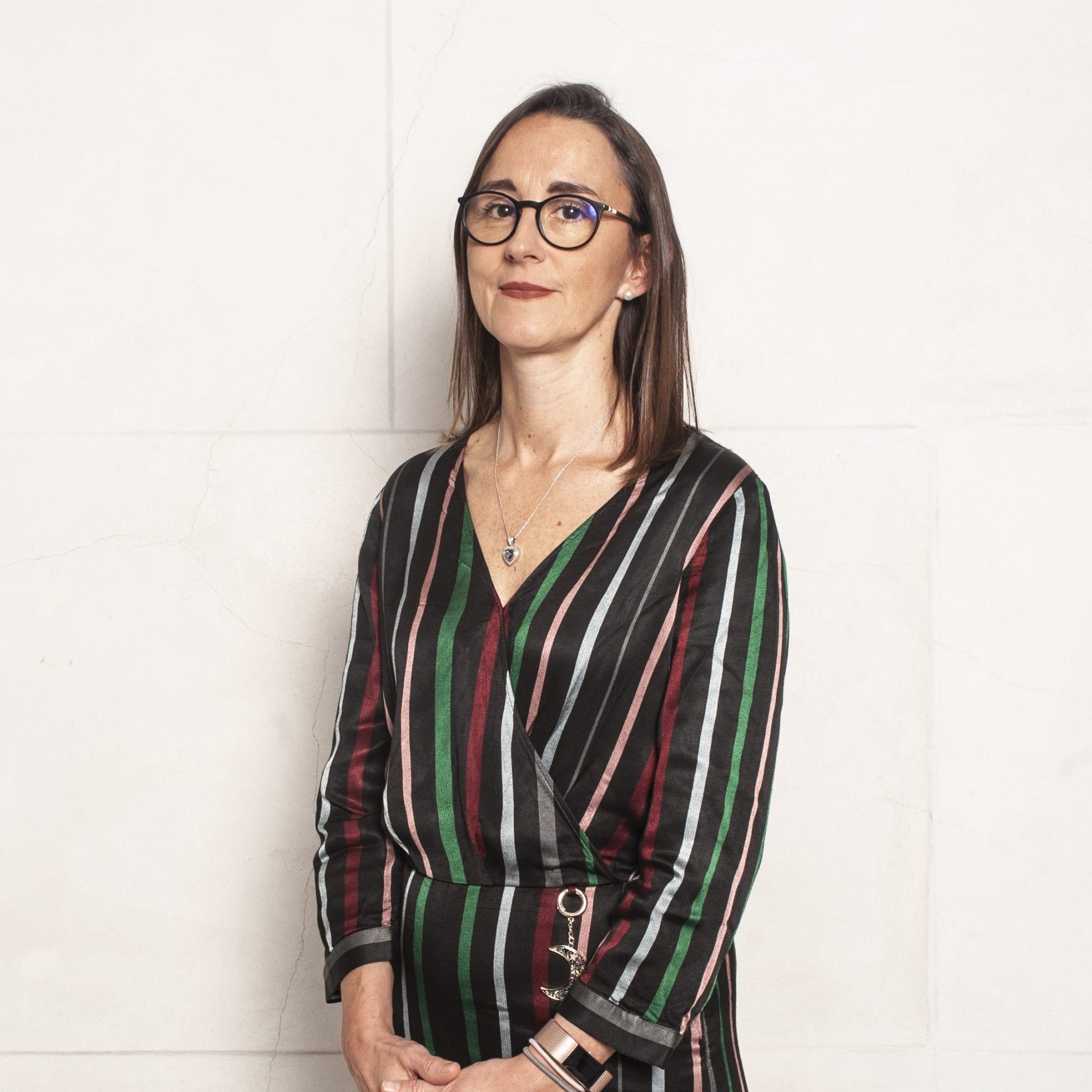
Vicepresidente de Tecnologías de Aceleración de Negocios Emergentes, Aptar Closures, a nivel global.