
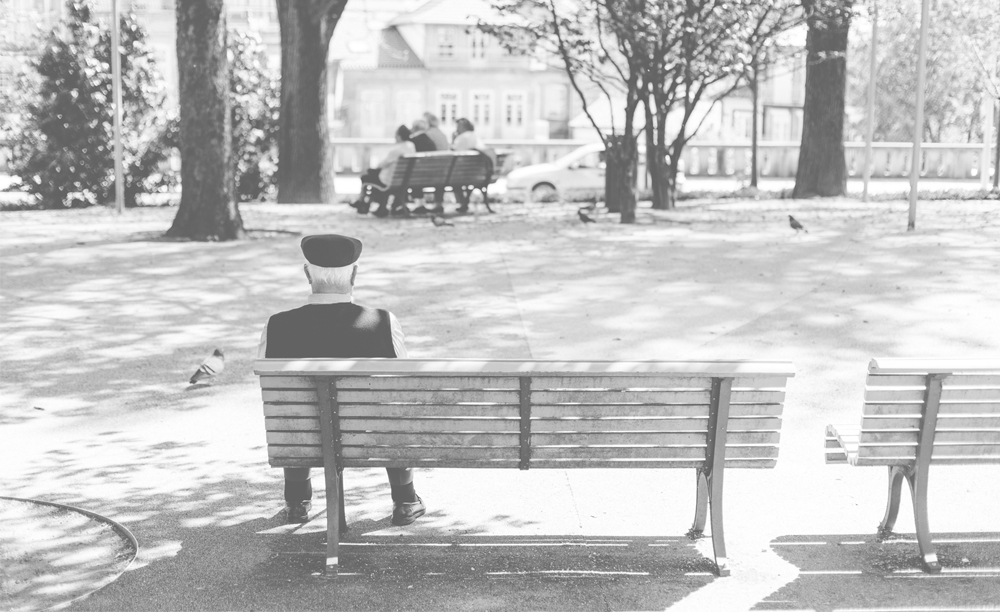
These are messages that are often subliminal, but well established in the collective imagination. So much so, that sometimes we do not realize that we are committing this form of discrimination.
Machismo, racism and classism are terms whose meaning is not lost on anyone. It is about discrimination based on gender, race or social class and almost no one denies that these are three scourges to fight against and in which governments and other institutions are more or less involved.
However, things change when talking about ageism. It’s easy for many people to not even recognize the term (a translation of the more recognizable ageism), but it’s discrimination that can affect more people than anyone else, for the simple reason that it’s aimed at older people, regardless of their race, gender, and social class; that is, to all those who reach a certain age, not even very well established.
The fight against ageism also has activists, although much less visible than those who fight against other forms of discrimination. One of the most active is Ashton Applewhite, an expert at the Future Trends Forum and author of This Chair Rocks: A Manifesto Against Ageism, a book published in 2016 and not yet translated into Spanish. Their main thesis is that, from the time we are little, we receive clear messages about how sad it is to be an old man. Wrinkles are something to be ashamed of and that must be avoided and covered with all kinds of cosmetics, the elderly cannot go out and have fun and, if they do, it must be with each other, without mixing with the rest of the population.
These are messages that are often subliminal, but well established in the collective imagination. So much so, that