AI-generated summary
Biometrics refers to the use of physical and biological characteristics—such as fingerprints, facial features, retinal patterns, and voice—to identify individuals. This technology has become a cornerstone in cybersecurity as it offers a robust and accurate method for verifying identity. Biometrics is widely used in environments requiring high physical security, and it performs three key functions: verification (confirming a claimed identity), identification (determining if an individual exists in a database), and detection (monitoring presence in controlled spaces). These functionalities enhance security in various applications like access control, criminal investigations, and public event safety.
Biometric approaches can be categorized into three groups: biological (genetic and molecular traits like DNA), morphological (physical features such as fingerprints and facial structure), and behavioral (unique patterns in actions like walking or typing). Although not flawless, biometric security systems hold significant promise for the future of cybersecurity. This potential is reflected in the emergence of innovative startups globally. For example, Numio leverages blockchain and biometrics to secure user identities, PASSiD uses 3D facial scans for digital wallets and payments, GetID offers facial recognition for regulatory compliance in telecom, and Mobai integrates multiple biometric methods to detect cyberattacks and ensure privacy. These developments illustrate the expanding role of biometrics in enhancing digital security and identity verification.
Cybersecurity is essential in today's online and digital world. Biometrics is an option to minimize risks
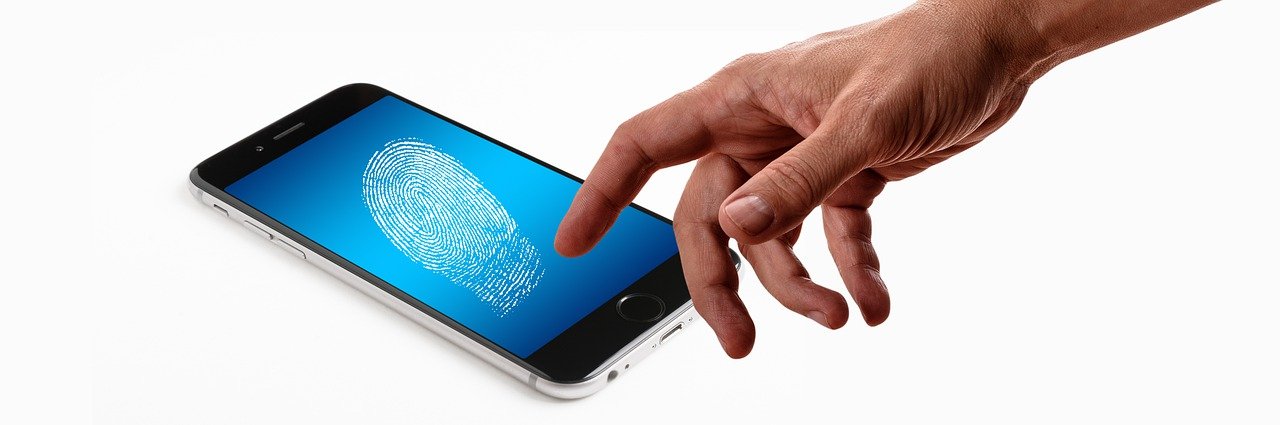
The term biometrics refers to different physical and biological characteristics that can be used to identify people. One of the most widely used for some time, for example to process the DNI, is the fingerprint, but it is not the only one. In recent times, technological tools have been developed to make facial recognition or retinal scanners, among many others, possible.
This technology is obviously likely to be used in the field of cybersecurity. In fact, we can definebiometric security as a security mechanism that identifies people by verifying their physical or behavioral characteristics. Currently, it is the most robust and accurate physical security technique used for identity verification. Biometrics are primarily used in security systems in environments that are subject to theft or have critical physical security requirements. Such systems store features that remain constant over time, for example, fingerprints, voice, retinal patterns, facial recognition, and hand patterns.
Uses and functionalities of biometrics
Biometrics isn’t just a fascinating invention that seems to transport us to a future world. On the contrary, this is a highly enabling technology with a lot of potential. Among many other things, it can be used to reduce cybercrime, facilitate the use of machinery or other technologies or to provide a safer society through the following three basic functionalities.
Verification. Based on the biometric data stored on the servers, the technology can verify with high certainty a claimed enrollment authentication. For example, you can verify a person’s identification using their fingerprint for any type of access, whether physical or digital. The system compares it with the one registered in the system and associates it with that identity.
Identification. It is about determining whether an individual is part of a database. With this technology
Detection. To determine if a person is within a space subject to control and surveillance. It can be used, for example, to ensure security at public events, airport security, and other similar activities.
What are the biometric approaches?
While they may have other applications, biometrics have often been used in security and can mostly label biometrics into three groups.
- Biological biometrics uses traits at the genetic and molecular level. These may include characteristics such as DNA or blood, which can be evaluated through a sample of your body’s fluids.
- Morphological biometrics involve the structure of your body. More physical features such as your eye, fingerprint, the shape of your face or voice can be mapped.
- Behavioral biometrics are based on patterns unique to each person. The way you walk, speak, or type, by hand or with the keyboard, can be an indication of your identity if you follow these patterns.
An open field for startup development
While these systems aren’t perfect, they offer a lot of promise for the future of cybersecurity. A good proof of this is the number of startups that have been born and developed in this field, to occupy the growth space it offers. How are you:
Numio is an American startup that develops identity-based blockchain technology. It relies on the use of a combination of public-key cryptography and the biometric device to secure user identities. It allows users to share data with financial institutions without the risk of it being leaked.
The Egyptian startup PASSiD offers a digital wallet with biometric security, based on a 3D scan of facial features. It allows businesses to set up omnichannel identity verification and accept payments.
Estonian startup GetID develops identity verification software for KYC compliance. The startup’s product allows telcos to securely onboard prepaid customers through an online platform with biometric facial recognition. This helps businesses comply with local regulatory requirements while increasing registration rates.
Mobai is a Norwegian startup that provides construction solutions to improve the detection of cyberattacks. By combining facial, iris, and eye recognition, the startup’s multimodal biometric authentication solution provides great security and privacy protection. Detect imposter attacks and even transformed images.