AI-generated summary
Innovation in the energy transition now goes beyond clean generation to focus on managing, storing and distributing power intelligently. Three converging fields—advanced materials, AI-managed grids and compact nuclear reactors—are reshaping that future. Superconductors, which transmit electricity without resistance, have long been limited by extreme cooling needs. Recent advances in computational chemistry and machine learning have accelerated discovery of higher-temperature compounds (e.g., REBCO-type rare-earth oxides). Startups like Snowcap Compute are developing superconducting AI chips cooled by optimized cryogenics, promising up to 25× greater energy efficiency than silicon. Crucially, AI both benefits from and enables these materials by predicting electronic properties for rapid, simulation-driven discovery.
AI is also transforming grid operations: models can reroute electrical flows in milliseconds to prevent blackouts and monitor equipment health to predict failures, reducing outages and maintenance costs. Simultaneously, Small Modular Reactors (SMRs) and fusion concepts offer steady, compact low-carbon power for data centers and grids. Superconducting magnets are central to compact fusion designs (e.g., MIT’s ARC, China’s HH70), while AI-guided plasma control is being trialed by startups exploring novel reactor geometries. Many technologies remain experimental and face challenges in scalability, interoperability, cybersecurity and public acceptance. Still, combining computational intelligence, material innovation and systemic design could make 21st-century energy cleaner, more resilient and far more efficient.
The energy of the 21st century will be designed with algorithms, smart materials and reactors the size of a container.
In the midst of the race for a sustainable energy transition, innovation is no longer just about generating clean energy, but about learning how to manage, store and distribute it efficiently, flexibly and intelligently. At this crossroads, three key fields converge today: new advanced materials, artificial intelligence applied to energy grids and the most recent developments in compact nuclear reactors.
One of the biggest challenges in any Energy system is the loss of energy in the form of heat during transportation or processing. This is where
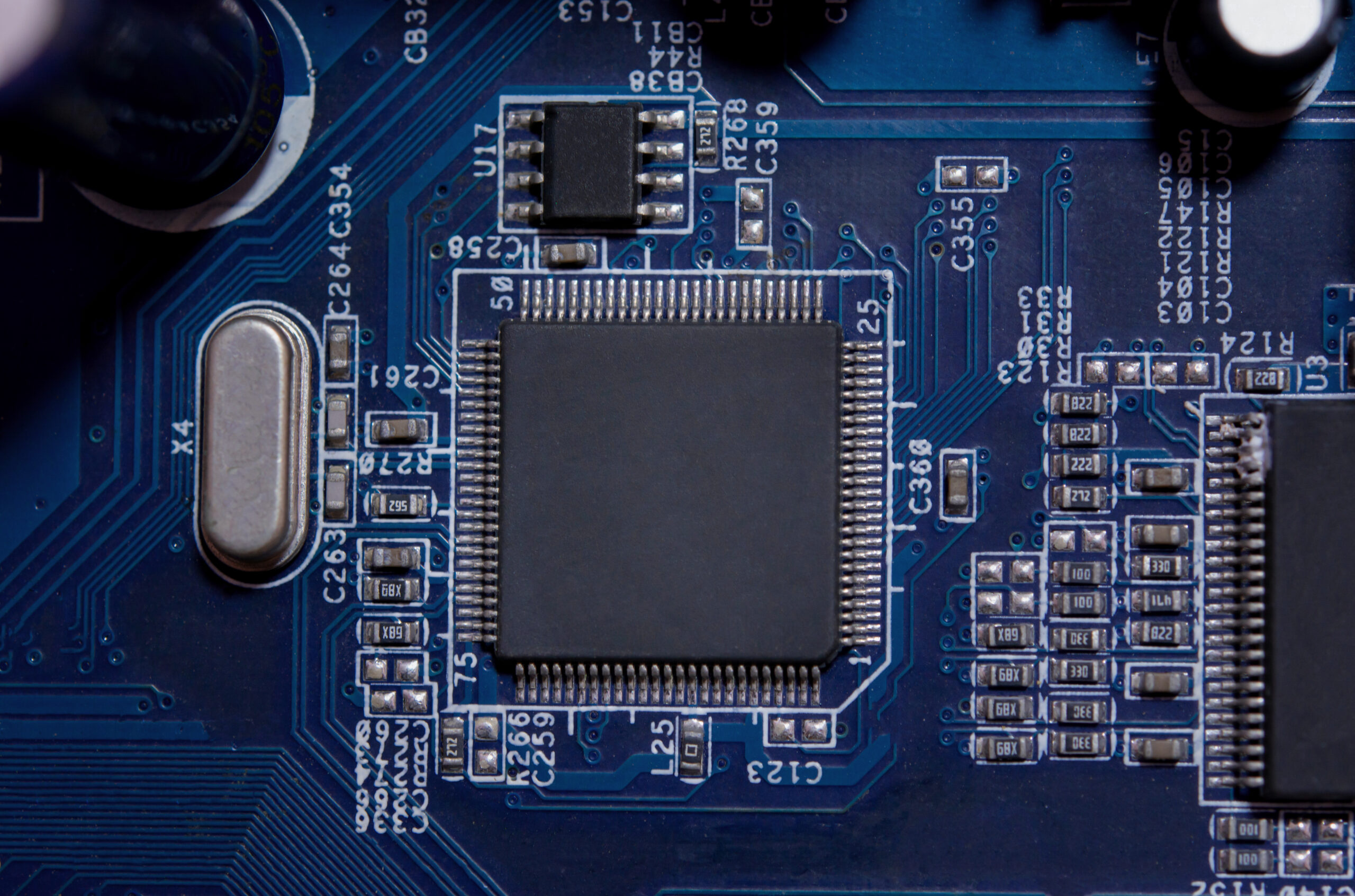
However, in recent years, thanks to the combination of artificial intelligence and discoveries in computational chemistry, new compounds have been identified—such as those based on rare earth oxides such as those of the REBCO (Rare Earth Barium Copper Oxide)—which operate at higher temperatures. A recent example is that of the American startup Snowcap Compute that in June 2025 announced an investment of 23 million dollars to develop artificial intelligence chips based on superconductors. These new devices, cooled by optimized cryogenics, promise energy efficiency potentially up to 25 times higher than that of traditional silicon chips, according to data from the company itself.
If superconductors are to improve AI performance, the exploration of these materials would not be possible without AI itself. In fact, machine learning models are used to
Safer and more efficient networks
Artificial intelligence is not only transforming material design, but also the way we manage increasingly complex power grids. As the energy mixor is filled with intermittent sources – such as solar and wind – the system must adapt in real time to changes in demand, production and distribution. A team from the University of Texas at Dallas has developed an AI model capable of reassigning the electrical flow in milliseconds to avoid blackouts, applying a logic similar to a self-healing grid. The results: a drastic reduction in supply cuts in pilot trials.
AI monitors parameters such as temperature and vibration to anticipate the wear of transformers or distribution lines, allowing intervention before breakdowns occur. This improves system reliability and significantly reduces maintenance costs. In the United States, the empirical evaluation of a Smart Grid showed a 60% reduction in blackouts and millions of dollars in savings thanks to early detection of failures.
Compact Reactors: Constant Energy, Small Footprint
The development of Small Modular Reactors ( SMRs ) promises to offer safer designs, shorter construction times and potentially lower costs compared to traditional nuclear power plants. Although not yet deployed on a large scale, several projects are advancing rapidly.
In the United States, companies such as NuScale and Oklo is developing reactors that could continuously and cleanly power energy-intensive data centers. In fact, Google and Amazon explore commercial agreements to power their future AI processing centers with energy generated by SMRs, seeking energy independence and drastic reduction of the carbon footprint. This is a strategic shift, with profound implications for the balance between technology, sustainability and energy geopolitics.
The role of superconducting materials is also key in the development of nuclear fusion: the design of the MIT’s ARC (Affordable Robust Compact) reactor, for example, is based on REBCO magnets capable of generating extremely strong magnetic fields in a small volume. In China, the Tokamak HH70 has been the first experimental reactor of its kind to use high-temperature superconducting magnets, marking a milestone in magnetic efficiency.
At the same time, fusion models guided by artificial intelligence, capable of controlling plasma parameters in real time, are being explored. In New Zealand, the startup OpenStar is developing a compact reactor based on a “levitated dipole,” a radically different design that uses magnetic fields to keep plasma out of contact with the reactor walls. If successful, it could set a new course for small-scale nuclear generation.
However, most of these latest advances are still in the experimental phase and their commercial deployment is still uncertain. In fact, for this energy revolution to become a reality, there are still many obstacles such as the scalability of new materials, the interoperability of autonomous systems, the cyber security and the social acceptance of nuclear energy. But if one thing is clear, it is that the energy of the 21st century will depend on how we combine computational intelligence, material innovation and systemic design to make it truly sustainable.