
AI-generated summary
The Bankinter Innovation Foundation recently launched the report “Neurotechnology for Human Well-Being” and continues its informative efforts with a webinar titled “Future and Life: Keys to Synthetic Biology,” featuring expert Marc Güell. The webinar explores synthetic biology—a rapidly advancing field that engineers living systems to revolutionize biomedicine, materials, and industrial processes. Güell highlights breakthroughs such as CRISPR-Cas9 for precise gene editing and the integration of artificial intelligence (AI), which together enable the design of synthetic proteins and new biological solutions. These advances promise to improve personalized medicine, environmental sustainability, and the global bioeconomy, which includes innovations like biodegradable packaging and lab-grown leather.
Güell, a leading researcher from Pompeu-Fabra University, discusses concrete applications such as microbiome engineering to treat skin conditions, CRISPR-based therapies for genetic diseases, and xenotransplantation—using genetically modified pig organs to address the organ donation crisis. He emphasizes the ethical considerations surrounding genome editing and advocates for robust regulation and social debate. The webinar also previews future directions like AI-directed evolution of biological tools and smart medicine that adapts to individual health needs. Güell envisions a future where synthetic biology profoundly enhances human health and sustainability, urging continued innovation combined with responsible oversight. The full webinar and related resources are available online for those interested in these transformative technologies.
Unlocking the Potential of Synthetic Biology for Health and Sustainability
As part of the launch of the report Neurotechnology for human well-being, the Bankinter Innovation Foundation continues with the informative work through a new webinar. The report is the result of the meeting of our think tank Future Trends Forum, where we convened more than 40 internationally renowned experts to discuss the repair and enhancement of human capabilities through neurotechnology and other innovative applications, and to analyse the opportunities and risks that arise.
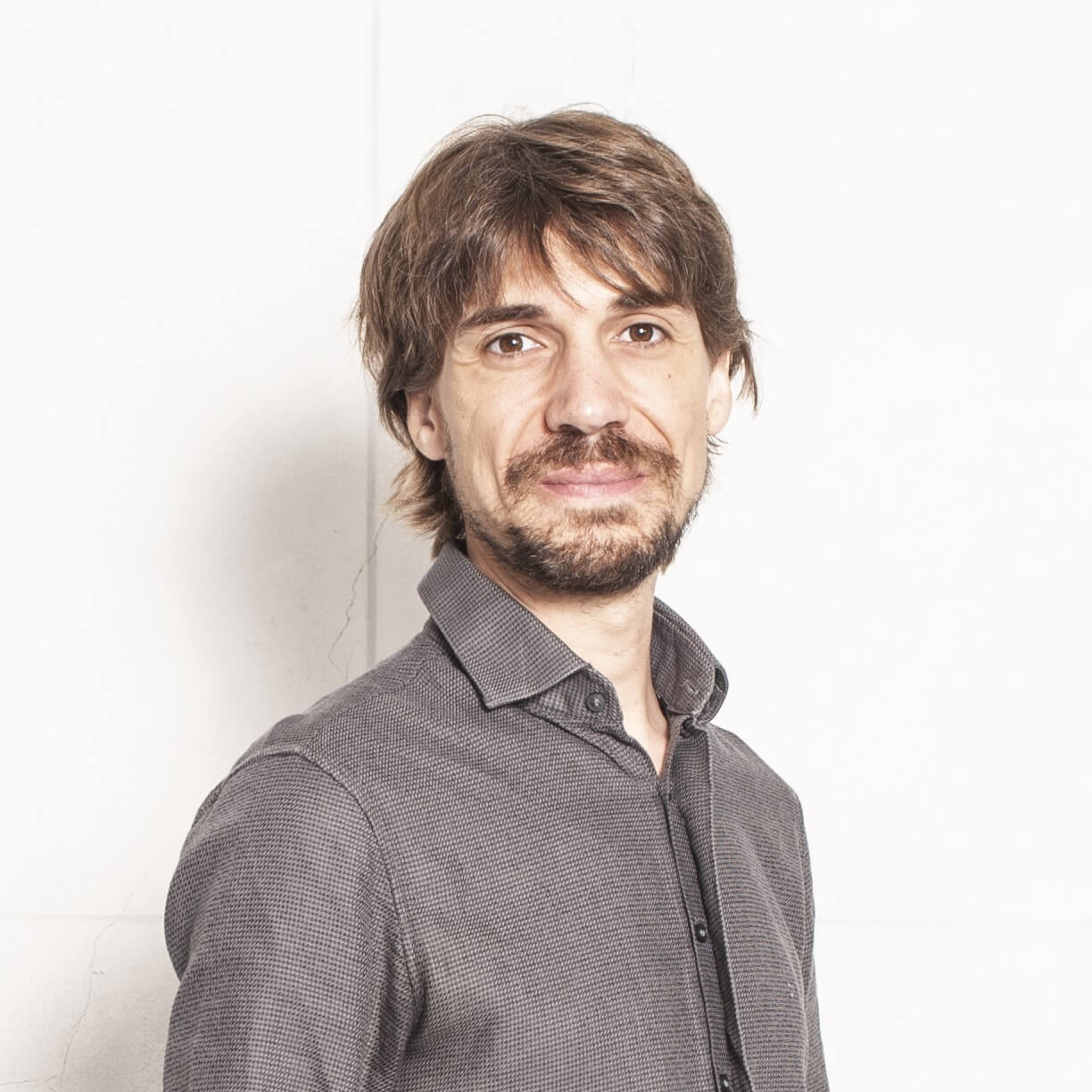
In this new webinar, Future and Life: Keys to Synthetic Biology, we have had the expert Marc Güell, who helps us explore how synthetic biology is marking a new chapter in science and technology. This field offers us the tools to engineer with the most sophisticated hardware: living components, opening up new possibilities in biomedicine, advanced materials and industrial processes. Marc Güell told us how genome and metagenome engineering is working to improve health and how synergy with artificial intelligence is leading us towards synthetic biodesign. In short, Marc shows us how this science can forge a healthier and more sustainable future.
Marc Güell is a visionary in synthetic biology, a leading scientist and ICREA research professor at Pompeu-Fabra University. He earned his bachelor’s degree in chemistry and another in telecommunications engineering, followed by a PhD at the European Molecular Biology Laboratory and the Centre for Genomic Regulation. He later began his postdoctoral research at the Wyss Institute of Harvard University. Recognized worldwide, Marc has been awarded the National Research Award for Young Talent, among other prestigious recognitions. Marc’s research focuses on gene editing and synthetic biology, with applications in gene therapy and the engineering of the human skin microbiome, seeking to advance the potential of biology to meet the great challenges of our time, including human health and that of the planet.
Here you can watch the webinar with Marc Güell:
Future and Life: Keys to Synthetic Biology with Marc Güell
Below, we summarize the key insights and discoveries that Marc Güell has shared during this webinar:
Advances in Synthetic Biology: A New Era of Innovation
Synthetic biology is at an unprecedented time of advancement and promise. One of the first areas of focus for Güell is the precision inherent in biology. At the molecular level, nothing comes close to the complexity and capability of natural molecular machines. Güell highlights the CRISPR-Cas9 enzyme as an emblematic example, capable of cutting DNA with a precision that no engineering tool can match. This ability to make modifications at a sub-nanometer scale is critical to understanding why biology offers unprecedented solutions in both medicine and industrial applications, from therapeutics to food production.
In addition, the sophistication of living systems, with examples as varied as animals that resist cosmic radiation or that do not age, presents enormous potential yet to be explored. Güell sees in these unique capabilities an inexhaustible source of inspiration for innovative solutions that, in addition, are aligned with a philosophy of sustainability. Biology, by definition renewable and cyclical, offers a paradigm for creation and manufacturing that is radically different from that of traditional industrial processes.
The Revolution of Reading and Writing DNA
At the heart of the synthetic biology revolution, according to Güell, is our newly acquired ability to read and write DNA—the “Read and Write Revolution.” This transformative capacity has reduced the cost and increased the accessibility of genetic sequencing, which in turn has propelled the understanding and design of life to unprecedented levels. The Human Genome Project, for example, cost millions of euros and took years to complete. Now, a human genome can be sequenced for a fraction of that cost, opening the door to advances in medical personalization, agriculture, and more. Beyond sequencing, the ability to edit and write DNA, especially through tools such as CRISPR and other associated technologies, has ushered in an era where precise DNA modification is an everyday reality. This breakthrough has deepened our understanding of living systems and allowed us to begin to modify life in ways that were previously unimaginable.
Artificial intelligence as a catalyst
For Güell, an even bigger turning point than CRISPR has been the integration of synthetic biology with artificial intelligence (AI). This new horizon is making it possible to overcome the previous limitations of working with the complexity of life. Tools such as ProtGPT2, which “talk protein”, are opening up possibilities for designing synthetic proteins, a capability that marks a before and after in synthetic biology. In Güell’s words, the combination of synthetic biology and AI is transforming synthetic biologists from “imposters” who adapt what they find in nature, to innovators capable of creating genuinely new solutions. This shift promises to advance medicine and environmental sustainability and the way we understand and use the language of life: DNA.
The convergence between biology and technology: vision and potential
Marc Güell quotes a phrase by Steve Jobs that resonates deeply with his work: “If something interesting is going to happen in this century, it is probably going to be the intersection between biology and technology.” This vision encapsulates the radical transformation we have experienced in recent decades, where technological advances have made it possible to explore and manipulate life at previously unimaginable levels. Güell underlines how this merger not only promises advances in medicine and new industrial solutions, but also represents a unique opportunity to develop sustainable practices aligned with the United Nations Sustainable Development Goals.
Economic impact and sustainability
The impact of synthetic biology extends beyond science, having massive economic potential. A McKinsey report projects a trillion-dollar “bioeconomy,” expanding into non-traditional areas such as sustainable food and materials production. Notable examples include the use of mycelium to create biodegradable packaging, the use of microorganisms to create nylon , or the development of leather from yeasts, as evidenced by the innovation of the company Modern Meadow. Another important example in terms of food is the new sources of vegan meat, using a yeast model to which they have added an extra gene that gives flavor to the meat. These applications offer eco-friendly alternatives to petroleum products and promote a more animal- and environmentally-friendly approach to production.
Marc Güell highlights the transformation of innovative ideas into successful biotechnology companies, such as Ginkgo Bioworks, reflecting the economic potential and growth of the sector. It is no coincidence that several of the world’s leading countries are betting heavily on this sector. In 2022, the United States announced a $2 billion package for the bioeconomy. Last year, late last year, it was the UK government that announced a large package to promote manufacturing with biology.
Ethical Challenges and Considerations
However, great opportunities come with great responsibilities. Güell warns of the potential risks associated with synthetic biology and artificial intelligence, including potential misuse in protein synthesis and assistance in bioterrorism protocols. It highlights the need for a strong regulatory and ethical framework to ensure that the advancement of these technologies is carried out responsibly and safely. The implementation of controls on gene synthesis and attention to the implications of open language models are crucial steps to mitigate these risks and is a topic that has been talked about in recent weeks in the media.
Concrete applications of synthetic biology in modern medicine
Marc Güell takes us beyond theory to immerse ourselves in concrete applications of this revolutionary discipline. Their work, which ranges from genome editing to the creation of innovative therapies, demonstrates the transformative potential of synthetic biology in biomedicine. Marc highlights the importance of CRISPR, a technology that has inaugurated a new era in biomedicine, allowing precise and effective gene editing. This tool, awarded the Nobel Prize in 2020, has revolutionized our ability to intervene in the human genome, opening the way to personalized treatments for a wide range of diseases, including cancers and genetic disorders.
From research to clinical application
The implementation of CRISPR in scientific research has shown exponential growth, reflected in the increase in scientific publications and clinical trials. Marc underlines how this expanded ability to manipulate the human genome is driving research progress and is already beginning to translate into real clinical applications. The first CRISPR-based therapy, aimed at treating hemoglobinopathies such as sickle cell anemia and beta thalassemia, marks only the beginning of what’s possible.
CRISPR 2.0 and beyond: Exploring the evolution of CRISPR technology, Marc introduces the concept of CRISPR 2.0, which goes beyond simple cuts in DNA to allow for more sophisticated and precise edits. This opens many doors to correct mutations in diseases or make therapeutic interventions. He exemplifies its application in advanced therapies, such as the personalized treatment of a young woman with advanced leukemia, where multiple genetic modifications were combined to reprogram her immune system. This approach, which combines gene editing with targeted therapies, points to a future in which therapies can be deeply personalized and more effective.
Contributions from Pompeu-Fabra University: In addition, Marc details his contribution to the development of CRISPR 2.0 technology through his work at Pompeu-Fabra University and collaboration with the company Integra Therapeutics. Their innovation, called FICAT, illustrates how synthetic biology can be used to insert genes precisely and stably into the genome, opening up new possibilities for gene therapy. This has been licensed by the company Integra Therapeutics, which has several programs, both ex vivo, for T cells, and also in vivo, to try to develop therapies based on this CRISPR 2.0 technology.
The search for improvements through AI-led evolution: Marc emphasizes the importance of continuous improvement of these technologies through methods such as artificial intelligence (AI) -directed evolution . These approaches refine existing tools and allow nature to be explored in search of as-yet-undiscovered biological systems that could offer new functionalities.
And we still have CRISPR 3.0, which allows us, for example, to edit the epigenome. In this case, we no longer use CRISPR to modify the letters of our genome, but directly to set genes in motion or stop them. We know that all the cells in our body have the same DNA – the skin, neurons, absolutely all of them, except the immune ones – but nevertheless they are different. The skin expresses different genes than, for example, the heart, and this is due to epigenetics. With CRISPR you can also create an epigenetic modulator, so that it puts some kind of epigenetic mark in areas of the genome and so you can activate or deactivate it. On this there has been a very interesting demonstration recently by a team from Italy. In this case, it has been done with a technology similar to CRISPR called zinc-finger, to treat cholesterol levels with this epigenetic intervention.
Ethical Reflections and the Future of Genome Editing: Finally, Marc reflects on the ethical implications of synthetic biology and genome editing, highlighting the need for a social debate on their applications, especially in areas such as genetic improvement and germline editing. While the technology opens up a range of possibilities for improving human health, it also raises important questions about how and when it should be used. With CRISPR, diseases such as cancer and some rare diseases are beginning to be treated: we can break, we can repair, we can write genes, but we also need to have a social debate about where we want to take all that, because like any great technology, it opens up many horizons for us and we all have to work on the ethical part together.
Synthetic biology and microbiome
Marc Güell introduces us to the fascinating world of the microbiome, a critical component of our physiology that comprises both the genomes of our human cells and those of a diversity of bacteria that reside in our bodies. These microorganisms play crucial roles in our health, inhabiting places such as the intestine, vagina and skin. The relevance of the gut, vaginal, and skin microbiome is well known for its importance in maintaining human health.
Microbiome Engineering for Health and Wellness
From Pompeu Fabra University, Güell and his team have taken an innovative approach to these bacteria, treating them as sophisticated molecular machines capable of performing complex functions thanks to their thousands of genes. Beyond studying their natural roles, Güell focuses on how we can harness these bacteria to develop new treatments for diseases or implement specific functions beneficial to human health.
A prominent example of this work is the study of cutibacterium acnes, the most abundant bacteria on human skin, which resides mainly in the sebaceous glands. This microorganism remains on the skin after being applied, and can be modified to perform specific tasks. In collaboration with S-Biomedic, a project successfully tested the modification of the bacterial composition of the skin in humans, demonstrating a potential application for the treatment of acne by adjusting bacterial variants towards a more beneficial profile for skin health.
Future Advances and Applications in the Microbiome
This initial work with S-Biomedic, which led the company to conduct several clinical trials on acne is just the beginning. Güell aspires to use cutibacterium acnes as a “robot” in the skin, capable of carrying out a variety of tasks thanks to the addition of engineered genetic circuits. Among the applications explored is the regulation of sebum production to fight acne in a similar way to the drug Accutane, but without its toxic side effects, thanks to bacterial engineering.
In addition, Güell’s team is working on bacteria programmed to protect the skin from radiation and inflammation, with the goal of expanding the range of useful properties that these modified bacteria might have. All these projects are carried out under an appropriate regulatory framework, with trials on mice as a preliminary step to human testing.
Towards smart medicine
The future of this research points towards what Güell calls “Smart Medicine”, where bacteria equipped with genetic sensors could , in addition to acting in response to the needs of the human body, detect and react to external factors, such as air pollution. This multidisciplinary approach, which combines synthetic biology with genetic engineering and personalized medicine, promises to open new avenues for the treatment of conditions such as atopic dermatitis, adapting to the body’s signals to provide precise and effective therapies. This is what they are working on right now in a multidisciplinary project with several teams around Europe.
Advances in xenotransplantation
Marc Güell shares a passion that has marked both his past work and his current interests: the field of xenotransplantation. Marc has maintained a significant connection to the world of transplantation, an area he considers to be one of the most sophisticated applications of synthetic biology today.
The Organ Donation Crisis
The central issue driving Marc’s interest in xenotransplantation is the organ donation crisis. With a growing number of patients waiting for a transplant and a limited supply of organs available, the need to find alternative solutions is more urgent than ever. This shortage of organs has been exacerbated by factors such as increased life expectancy and reduced road accidents, further limiting the availability of donated organs.
The Xenotransplant Renaissance
Marc argues that xenotransplantation, the process of transplanting organs from one species to another, has undergone a renaissance in recent years, driven in large part by advances in synthetic biology. He has dedicated a significant portion of his career, especially during his time in Boston, to overcoming the challenges associated with xenotransplantation, including tissue safety and cross-species immune compatibility.
The main obstacles in xenotransplantation have been safety and compatibility between species. Working in Boston, Marc focused on making pig tissues safer from a pathogen standpoint and improving compatibility between pigs and humans. This involved a series of genetic modifications in pigs to make their organs more compatible with the human immune system and improve blood clotting, among other key functions.
Promises of xenotransplantation and clinical trials
Marc highlights some of the most promising advances in the field, such as experiments showing the survival of pig kidneys in primates, as well as encouraging data on pancreatic islets. A particularly exciting milestone has been the realization of the first steps toward the clinical application of xenotransplantation, including the efforts of eGenesis, a company Marc helped found. eGenesis has been able to perform extracorporeal support transplants using pig livers and has carried out the first pig heart transplant in a human patient, who lived for several weeks with the new organ.
In conclusion, Marc Güell sees xenotransplantation as a reality on the way to clinical application. Although there are still complex challenges to overcome and years of additional work are needed, the vision of using genetically modified pig organs as an unlimited source of transplants is increasingly plausible. These animals, with their numerous genetic modifications, represent what Marc considers the most sophisticated biotechnological product in existence, opening a new horizon of hope for patients waiting for transplants around the world.
After the presentation, Marc answered some of the questions from the webinar attendees:
Q on Synthetic Biology with Marc Güell
Most significant advances in synthetic biology: Marc considers CRISPR to have been the most symbolically important advance in synthetic biology, significantly accelerating research. In addition, he highlights xenotransplantation as an extremely complex and promising project to solve the shortage of organs for transplantation.
Contribution to personalized cancer treatments: Synthetic biology, according to Marc, has great potential to contribute to more personalized treatments for different types of cancer, especially through the reprogramming of immune cells using gene-editing techniques. This approach could be expanded to autoimmune diseases such as multiple sclerosis and lupus.
Reduction of beta-amyloid protein for Alzheimer’s: Marc mentions that although progress has been made in lowering cholesterol using CRISPR, the application for reducing beta-amyloid protein in Alzheimer’s is still unclear. However, he stresses that there are promising therapeutic options for other degenerative conditions with ALS.
Most promising potential applications: Currently working on projects related to acne and atopic dermatitis, Marc sees wide potential for applications for synthetic biology, including solutions such as mosquito repellents to combat infectious diseases.
Accessibility and affordability of therapies: Marc emphasizes the importance of finding a balance between the development of new therapies and their accessibility for patients, suggesting payment models based on effectiveness and collective bargaining to reduce costs.
Addressing environmental challenges with CRISPR: Synthetic biology has great potential to address environmental challenges, from improving food security to developing biofuels. Marc highlights the importance of adapting crops to extreme weather conditions and creating new sustainable materials.
Potential for de-extinction: Marc highlights César de la Fuente’s work in the use of artificial intelligence for synthetic biology, which could improve the reconstruction of extinct species and the development of new antimicrobial therapies.
Overcoming challenges with AI and synthetic biology: The fusion of artificial intelligence with synthetic biology has already enabled advances such as the creation of antibodies without the need to use animals, opening the door to future developments in the design of proteins and enzymes.
20-year vision: Marc hopes that in 20 years, thanks to these technologies, we will see a significant impact on our health and the sustainability of the planet, allowing us to live healthier and in a greener and more sophisticated environment.
If you couldn’t see it, you can watch the webinar here:
Future and Life: Keys to Synthetic Biology with Marc Güell
If you want to delve deeper into this field and other technologies and innovations for human well-being, be sure to check out our report.
You can also access other webinars on the subject:
- Neurotechnology for Human Well-Being: A Glimpse into the Future with Dr. Álvaro Pascual-Leone
- Digital neurotherapy: bringing neurotechnologies to the patient’s home with Dr. Javier Mínguez
- Rehabilitation Neurotechnology: From the Laboratory to Everyday Life with Dr. Ander Ramos-Murguialday
- Antibiotics of the future: César de la Fuente’s innovative approach