
It has been shown that emotions are fundamental to learning. Why are they not usually included in standard teaching?
David Bueno is director of the Chair of Neuroeducation at the University of Barcelona, which brings together several professionals in the area of data to bridge the gap between neuroscience and education. Its objective is to know the brain to improve our way of learning.
To do this, they want to collect the data we have about the human brain and use it to optimize and improve children’s abilities through the brain’s own learning mechanisms.
As David says, the human brain is an organ that has undergone a long process of evolution, learning from the environment and adapting to changes. That process of evolution itself, innate in the brain, can be harnessed to learn new knowledge.
David’s work also suggests that by knowing which areas of the brain mature at each stage, students can benefit from better teaching. It has been shown that emotions are fundamental to learning. Why are they not usually included in standard teaching? According to the genetics of learning, genes influence our mental capacity. If we took these differences into account, the teaching system would be different from what it is today, it would be personalized and more useful for all students.
What should be the main purpose of teaching? According to the Neuroeducation chair that David directs, it should be “educating with dignity”. As he explains, “It refers to professional problems, to social problems, to respect for differences, to giving everyone the best possible opportunities to learn and know themselves.”
The idea of education with dignity includes some principles such as understanding the origin of biological differences and the way in which the brain learns, offering different students the best opportunities to develop cognitively and improving these abilities in an ethical way.
However, as David argues, we must take into account ethical limits when monitoring student activity during the learning process. This is a very important issue that must be addressed from the perspective of neuroscience applied to learning.
Below, you can see David’s full lecture at the Future Trends Forum meeting on Neuroscience:
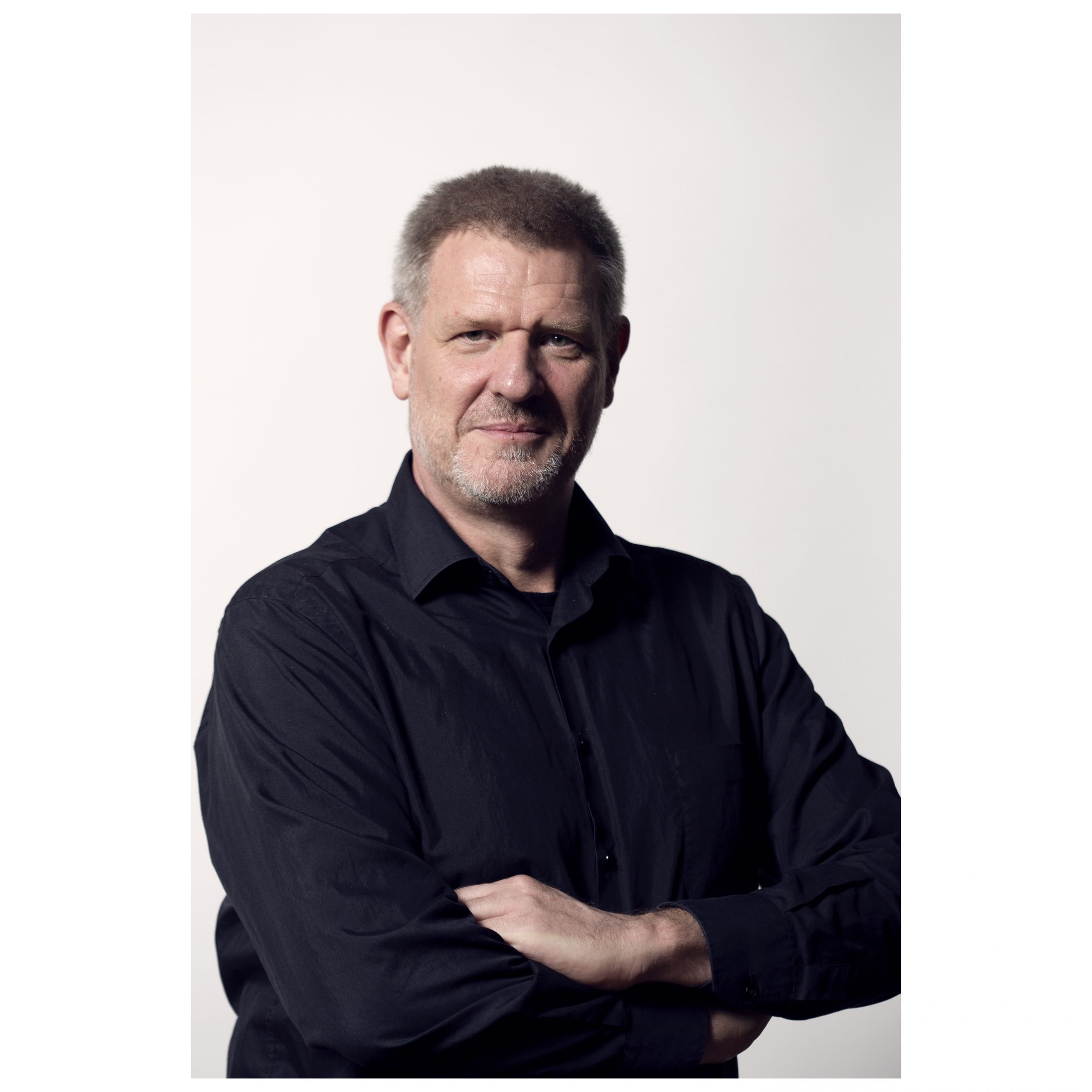
Doctor en Biología, Profesor e investigador en Universidad de Barcelona