AI-generated summary
Neurotechnologies, defined as tools enabling direct interaction between technical systems and the nervous system, are rapidly transforming medicine, communication, and cognitive enhancement. Devices like brain-computer interfaces (BCIs) have allowed patients with neurological disorders to regain essential functions, while innovations such as optogenetics and AI integration promise further advances. Companies like Neuralink are pioneering brain chip implants that may enable not only therapeutic benefits but also novel interactions like telepathic communication. However, these breakthroughs raise profound ethical, legal, and social concerns related to privacy, autonomy, and the integrity of human identity, as brain data could be exploited or manipulated without consent.
In response, the concept of neurorights has emerged to protect mental privacy, cognitive freedom, mental integrity, and personal identity. Countries like Chile have begun enshrining these rights constitutionally, and international initiatives such as UNESCO’s recommendations and the León Declaration emphasize a human-rights approach. The challenge lies in balancing robust regulation to prevent abuses with fostering innovation. As neurotechnology evolves, establishing ethical and legal frameworks that safeguard human dignity and autonomy is imperative. Neurorights represent a new frontier akin to digital rights, aiming to ensure that neurotechnological progress enhances human life without compromising the essence of what it means to be human. Responsible governance now is crucial to harnessing these technologies’ benefits while preventing potential harms.
Science is advancing by leaps and bounds and raises new questions about people's privacy, even about their own identity
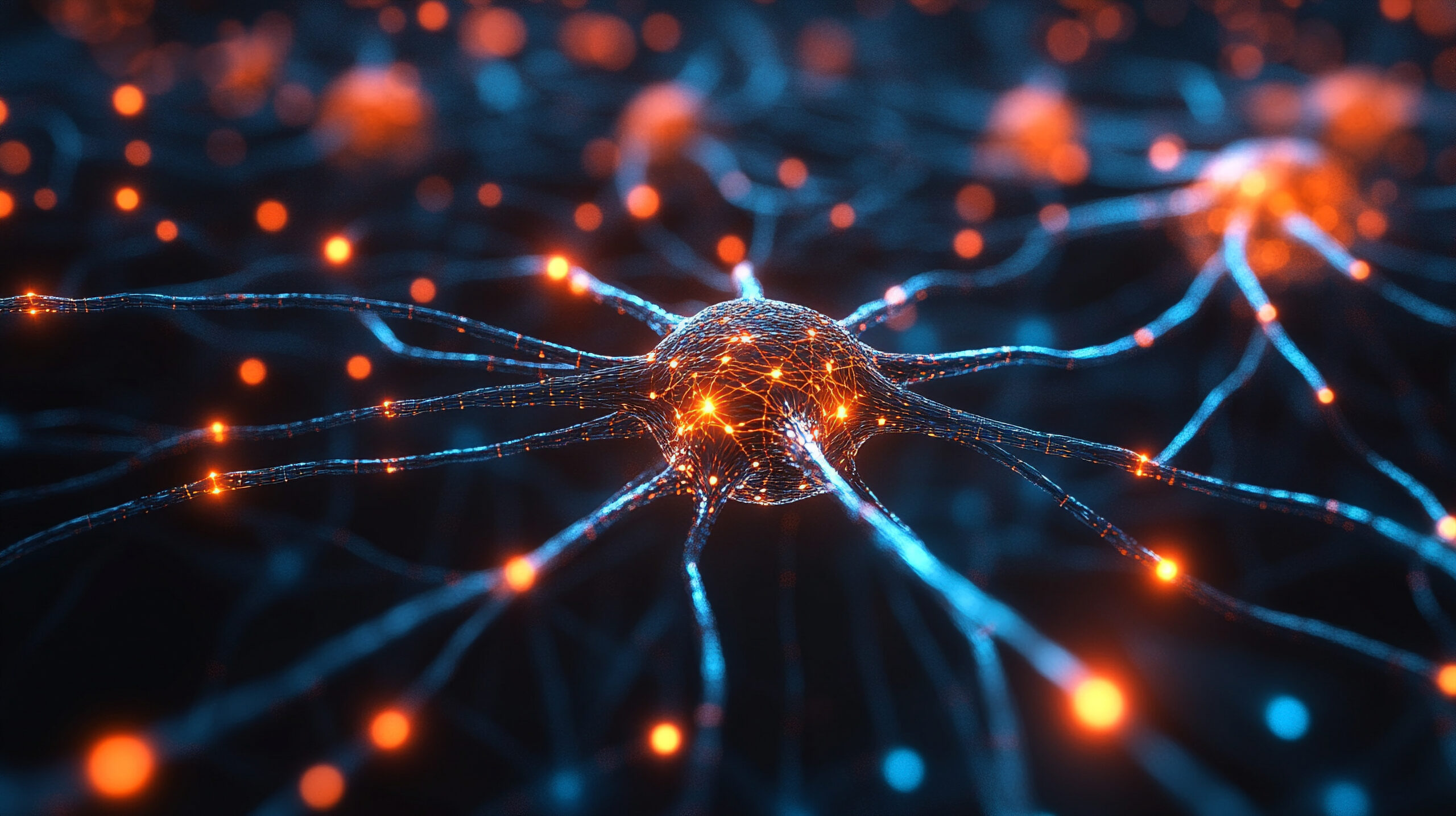
Neurotechnologies can be define it as “the set of methods and tools that allow a direct connection of technical components with the nervous system“. This is how experts Oliver Müller and Stefan Rotter considered it. The reality is that they are rapidly transforming our society, opening up new perspectives in the fields of medicine, communication, and cognitive augmentation.
These tools, capable of interacting directly with the human brain, have already demonstrated their revolutionary potential in the treatment of neurological diseases and in the improvement of cognitive abilities. However, technical progress is not without risks: it poses ethical, legal and social challenges that revolve around people’s privacy, autonomy and identity.
In this context, the need to introduce the so-called neurorights arises. A new category of rights, whose main objective is to ensure that the advance of neurotechnologies does not compromise individual dignity and freedom, and that mental privacy is preserved, a dimension of the human being not contemplated until now in traditional laws.
The neurotechnological revolution: advances and promises
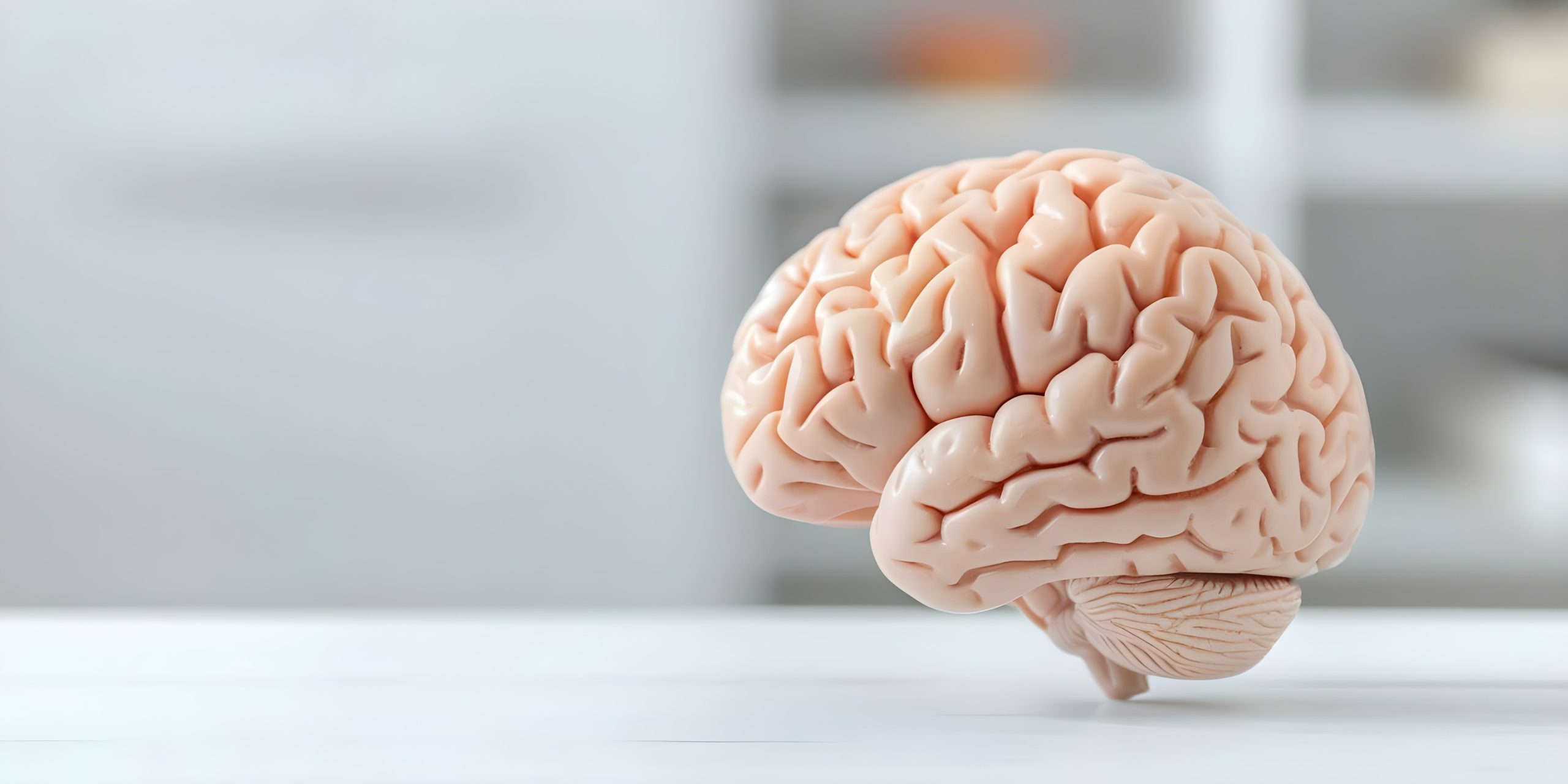
The study and knowledge of the brain is undoubtedly the great challenge of our times, also driven by projects such as the Human Brain Project , created to unite computer science and neuroscience, whose objective was to carry out, by 2023, a simulation of the complete functioning of the human brain. The goal was only partially achieved, but the EU-funded project has still provided a fundamental contribution to the understanding of the nervous system.
Neurotechnologies have made a qualitative leap with devices such as brain-computer interfaces (BCIs) capable of translating brain signals into digital commands, allowing patients with severe disabilities, such as Parkinson’s disease or amyotrophic lateral sclerosis (ALS), to recover essential functions, such as communicating or controlling robotic prostheses.
The interaction between artificial intelligence and neuroscience has generated unprecedented opportunities and more advanced techniques, such as optogenetics, even make it possible to activate or deactivate specific neurons using light pulses, with promising applications for the treatment of complex diseases. But research is not limited to academia and innovation has shifted away from the medical-healthcare realm, with a global market valued at approximately $33 billion in 2023.
Recent examples include the implants of Neuralink, Elon Musk’s startup, which has already managed to connect brain chips to two patients with spinal cord injuries. These advances not only promise revolutionary medical applications, but also open the door to entirely new ways of interaction. For example, the possibility of “telepathic communication” between humans with similar implants, which Musk says could mean a sea change in how we understand human communication and cognition.
The implantation of neural chips (Telepathy) in the human brain, although it is still aimed at demonstrating benefits for neurological pathologies, has as its main objective to improve the efficiency in the interaction between humans and computers. Companies such as Meta and other technology companies are also exploring non-therapeutic uses of neurotechnologies, such as controlling devices through the mind.
It is clear that while these applications can improve human efficiency, they also present significant risks of abuse, particularly in contexts where brain data may be collected, stored, or manipulated without informed consent.
The ethical impact and risks of neurotechnologies
Direct access to the human brain involves risks that transcend the traditional concept of privacy. According to the UNESCO’s 2023 report on neurotechnology, these tools have “profound implications for human identity, autonomy, privacy, and well-being, that is, for the very essence of what it means to be human.”
For example, technologies such as deep brain stimulation (DBS) or functional neuroimaging (fMRI) are already capable of recording and potentially manipulating thought patterns. This raises critical questions about free will and human dignity and, without a robust regulatory framework, neurotechnology could be exploited for commercial, political, or military purposes, compromising the mental integrity and psychological continuity of individuals, and its redesign could allow for more intrusive applications, such as the manipulation of thoughts or emotions.
Neurorights: a new legal frontier
Neurorights seek to address precisely these concerns by protecting four fundamental pillars: mental privacy, cognitive freedom, mental integrity, and personal identity, according to the definition introduced by scientists Marcello Ienca and Roberto Andorno and then officially adopted by the Neurorights Foundation.
“Neurorights can be defined as the ethical, legal, social or natural principles of freedom or right related to the brain and mental domain of a person; that is, the fundamental norms for the protection and preservation of the human brain and mind,” as Ienca explains in Frontiers in Humane Neuroscience.
Countries like Chile have already led the way by incorporating neurorights into their constitutions, in order to explicitly protect brain activity and neural data from commercial exploitation and manipulation. In Europe, the León Declaration on Neurotechnology approved in 2023 reinforces a human rights-focused approach, while UNESCO is working on a global recommendation on the ethics of these technologies.
However, the main challenge lies in balancing regulation with innovation: on the one hand, legislation must be robust enough to prevent abuses, but it must also allow research and development to continue to advance. As according to the Organization for Economic Cooperation and Development (OECD), “responsible innovation in neurotechnology requires clear standards that guarantee the centrality of the human being.”
Towards a future with ethical neurotechnology
There is widespread agreement that neurotechnology has the potential to transform society for the better, from treating devastating diseases to expanding our mental capacities. But it also confronts us with a horizon where
The road to the regulation of neurorights is underway, but it requires a coordinated effort at the global level. From the definition of technical standards to constitutional protection, advances in neuroscience and neurotechnology must be guided by ethical principles that prioritize human well-being. Just as digital rights emerged in response to the rise of the internet, neurorights represent a necessary response to the impact of these technologies on our minds and our identity.
Neurorights, given their intimate and personal nature, may require a specific legal framework that goes beyond traditional interpretations of fundamental rights. In general terms, the regulation of these rights must be reasonable and well adapted to respond effectively to rapid innovations in the field of AI and neurosciences, while ensuring the protection of human dignity and the integrity of the person against possible technological abuses.
The future of neurotechnology will depend not only on scientific achievements, but on our ability to manage them responsibly, as governments, companies, and individuals. The key is to establish rules before these technologies become widespread on a large scale, avoiding having to act after the fact to patch up the damage caused. Not only will this protect our freedoms, but it will allow neurotechnology to deliver on its promise of improving human life without compromising its essence.