
AI-generated summary
The article discusses the evolving landscape of space tourism, highlighting its early exclusivity and promising future developments. To date, only seven individuals have purchased tickets to the International Space Station (ISS), with Dennis Tito being the first in 2001 and Guy Laliberté the most recent in 2009. After NASA retired its space shuttles in 2011, Soyuz capsules became the sole transport to the ISS, limiting tourist access as seats were reserved for astronauts. Despite this, space tourism remains a tangible reality poised for transformation.
Significant changes are anticipated around 2019, as companies like Blue Origin and Virgin Galactic prepare to offer suborbital flights, drastically reducing prices from millions to hundreds of thousands of euros. These flights will provide several minutes of weightlessness before returning to Earth. Meanwhile, the vision of orbital tourism via private space stations—akin to space hotels—is progressing, with firms such as Bigelow Aerospace and Axiom Space aiming to build these habitats. Both Boeing and SpaceX are nearing manned spacecraft launches, contracted by NASA but also available for commercial charters. Although the initial market will be small due to high costs and technological challenges, projections estimate the space tourism industry could reach €1.15 billion within five years. The growth of commercial space stations is seen as essential for expanding this sector, as emphasized by astronaut Michael Lopez Alegría in his conference on space commercialization.
In the coming years we will witness the first tourist space trips.
The perpetual promise. So far, only seven people have been able to buy their own ticket to the International Space Station. The first was Dennis Tito, who spent seven days on board between April and May 2001. The most recent tourist was Guy Laliberté, who spent several days in space in September 2009. Trips to the ISS were suspended after NASA retired space shuttles in 2011; Soyuz crew capsules became the only means of transportation to the ISS. Since then, all seats have been taken by astronauts from the agencies that work in the ISS. The space tourism is a reality.
However, 2019 m be the year that will see a reduction in space tourism prices from several million euros to ‘just’ a couple of hundreds of thousands. Companies such as Blue Origin–owned by Amazon’s founder Jeff Bezos–with its New Shepard’s first manned flight or Virgin Galactic –owned by Richard Branson–with its SpaceShipTwo flight will soon offer trips to space. Travelers will experience zero gravity for a few minutes before coming back to Earth. Let’s not forget that back in 2004 SpaceShipOne reached space twice, which led us to believe that these types of flights were just around the corner. 15 years have passed, and we’re still waiting, even after a fatal accident.
We’ll still have to wait a little longer to see space tourists in orbit again, whether aboard the ISS or private space stations (sort of like space hotels) that companies such as Bigelow Aerospace and Axiom Space. want to build. Not only do they need to build these space hotels, but they will need to use spacecrafts to reach them as well. Bigelow has a head start thanks to their experience with the Bigelow Expandable Activity Module, , which has been in the ISS since 2016.
If everything goes according to plan, both Boeing cans SpaceX are just a few months away from launching their manned spacecrafts CST-100 Starliner and Crew Dragon. Both companies have signed contracts with NASA to transport crew members to the ISS, but they are free to charter commercial flights as well.
Given its prices, the market is quite small. Provided that everything goes well and tourists can actually start flying to space, it is estimated that the market will be worth about $1.3 billion five years from now. It will also be difficult to make progress within the next few years because developing manned spaceships is expensive and complicated. Therefore, that segment of the market will be intriguing but small.
Estimates point to €1.15 billion market volume in 5 years for Tourims.
The factors that drive a commercial space station.
Conference by Michael Lopez Alegría, Former U.S. Navy Test Pilot and NASA astronaut, consultant, public speaker, at the XXXI Future Trends Forum about the Commercialization of Space.
Michael explains the reasons why it is necessary to develop a commercial space station.
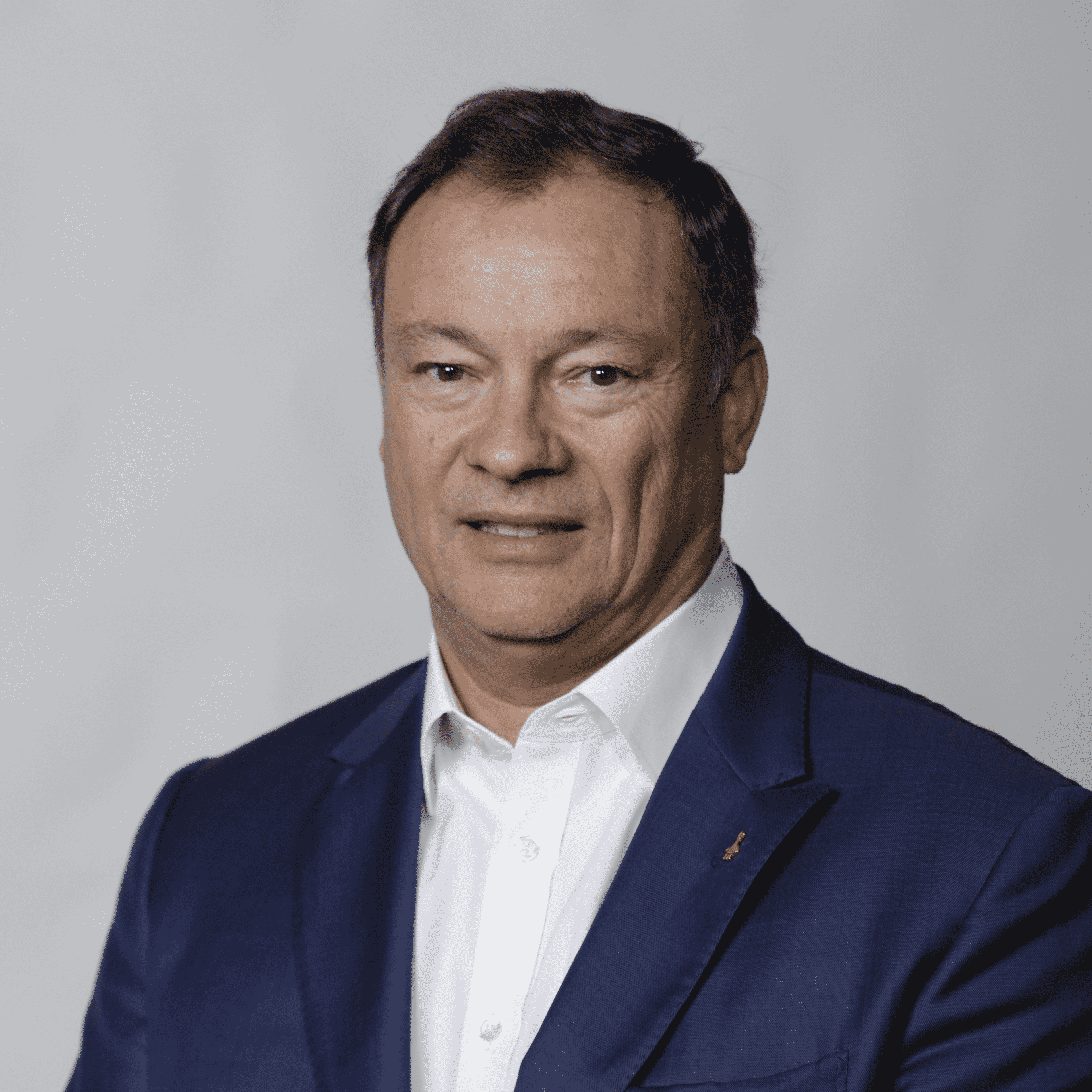
President of MLA Space and NASA Astronaut.