
AI-generated summary
In response to the mounting pressures from climate change, population growth, and urbanization on water resources, the Bankinter Innovation Foundation organized the Future Trends Forum: The Quest for Clean Waters. This think tank convened global experts to discuss innovations and strategies addressing the critical global water crisis. The forum emphasized the urgent need for technological advancement, sustainable management, and proactive policies to ensure water security amid rising demand and changing climates. Among the speakers, Professor David Sedlak of the University of Berkeley presented a stark outlook on the state of water resources, proposing three fundamental approaches to securing a sustainable water future: efficient water use, reconceptualization of existing infrastructure, and utilization of unconventional water sources like desalination and recycling.
Sedlak highlighted that by 2070, global population growth and increased living standards will intensify water demand, while climate change will alter regional water availability, rendering current infrastructures inadequate. He advocates for reducing water consumption by up to 50% through improved efficiency, adapting infrastructure operations (such as aquifer recharge and wetland restoration), and expanding water recycling and desalination technologies. Water recycling, already embraced in places like California, Singapore, and Namibia, offers a promising solution, alongside innovations in circular water economy practices like nutrient recovery and biogas production. Sedlak stresses that technological progress following Wright’s Law will lower costs and increase accessibility. Ultimately, he underscores that addressing the water crisis requires not only innovation but political and social commitment to foster resilient, equitable water management for future generations.
David Sedlak, Professor at Berkeley, analyzes how innovation and efficient management can ensure access to water in a future marked by climate change and growing global demand
In a world where climate change, population growth and urbanisation are putting unprecedented pressure on natural resources, water has become one of the most crucial issues of our time. In response to this reality, the Bankinter Innovation Foundation has organised the think tank Future Trends Forum The quest for clean waters, bringing together the main experts and thought leaders in the field of water management.
This forum is part of the Foundation’s ongoing effort to disseminate cutting-edge knowledge, foster innovation, and anticipate the trends that will shape our world in the coming years.
Throughout this series of articles that we start today, we will analyze the main conclusions and debates that emerged in this forum, where experts from all over the world met to address the most pressing issues related to water management. From new technologies for purification and desalination to sustainable management models and global policies, this edition of the FTF offers a comprehensive view of the challenges and opportunities facing humanity in relation to this vital resource. With this, the Bankinter Innovation Foundation reaffirms its commitment to lead the conversation on the trends that will define the future, offering a space for reflection and action around one of humanity’s most precious resources: water.
One of the participating experts was David Sedlak[AGC1], Professor of Environmental Engineering at the University of Berkeley, who gave a presentation where he exposed the critical state of water resources worldwide and proposed three fundamental strategies to face the challenge of water in the future: the efficient use of water, the reconceptualization of existing infrastructure and the use of non-conventional sources of water, such as desalination and recycling. Sedlak stresses that achieving a water-resilient future requires investments in innovative technologies and proactive policies. Her presentation addresses the urgent need for changes in water management, especially in the face of population growth, climate change and intensifying global demand.
If you want to see David Sedlak’s presentation, you can do so in this video:
The Global Water Crisis: A Matter of Life and Death
Water, a fundamental element for life in all its forms, is on the verge of an unprecedented global crisis. Water scarcity has become an imminent reality and climate change is worsening this situation. Today, more than ever, every drop counts. Growing global demand puts the survival of entire ecosystems and the stability of societies at risk. In this context, innovation is not an option; it is an urgent need.
Sedlak proposes a future that, if drastic measures are not taken, could be alarming. By 2070, when a newly born girl will be 50, the world will be a radically different place: the population will have increased by 20%, reaching 10 billion people, and the standard of living in today’s low-income countries will have risen sharply, increasing demand for meat and other food products.
This scenario will result in increased demand for food and therefore a greater need for water, at a time when the climate crisis will have caused many regions to experience higher temperatures and more erratic rainfall. By then, regions such as the southwestern United States will have a climate similar to that of northern Mexico, and Spain will resemble North Africa in terms of climate. In that future, current water infrastructures, such as dams and reservoirs, will receive only a fraction of the water they collect today. Therefore, something will have to change to ensure a future in which water remains an accessible resource.
Three approaches to a sustainable water future
Sedlak proposes three main approaches to address this global water challenge:
- Efficient use of water: With existing technologies and proven management strategies, it is possible to reduce water consumption by 25% to 50% in homes, fields, farms and factories. This first step requires optimizing water use, minimizing waste through more efficient practices.
- Reconceptualization of water infrastructure: Current infrastructure, such as dams, reservoirs, and canals, may be operated differently. Sedlak suggests implementing techniques such as managed aquifer recharge, reservoir operation informed by weather forecasts, and wetland restoration. These approaches, together with improved forest management in watersheds, could increase the amount of water available for human use.
- Unconventional sources of water: this is the central focus of Sedlak’s presentation. It involves taking advantage of water sources that are currently considered non-potable without advanced treatment, such as water recycling and desalination of seawater and underground aquifers. In places like the Middle East and North Africa, where water resources are extremely limited, desalination is already a vital source of water.
However, Sedlak acknowledges that technologies such as desalination are not without controversy. In California, for example, large desalination plants have been turned away due to environmental concerns and a lack of trust in the private companies that run them. Still, this technology has great potential, especially if it manages to reduce costs and increase its social acceptance.
Water recycling as a key solution
The big topic highlighted in Sedlak’s presentation is water recycling. The concept of taking treated wastewater and reusing it for various purposes, including human consumption, is a proven solution. California is a leading example in water recycling, where the practice of indirect reuse of drinking water has gained social acceptance and it is projected that, by 2040, 40% of the water supplied in the state will come from recycling.
Cities such as Singapore and Windhoek, Namibia, are also implementing large-scale water recycling strategies. In Europe, although cities such as Berlin and Barcelona reuse water, this issue is not openly discussed due to concerns about public acceptance.
Sedlak also explains the possibility of applying water recycling on a local scale: at the level of individual buildings. In cities such as Tokyo and New York, technologies are being developed to recycle water in each building, which would allow for self-sufficient water management and reduce dependence on external sources.
Innovation and rights in the circular water economy
The concept of the circular water economy is not just limited to water reuse. Sedlak argues that emerging technologies, such as recycling nutrients from water and converting solid waste into biogas, can transform the way we manage water resources. As these systems become more accessible and cost-effective, they have the potential to expand from developed countries to developing economies, enabling a transition to more sustainable consumption patterns.
Finally, Sedlak stresses the importance of these technological advances following the principle of Wright’s Law: as a technology develops, the experience gained and economies of scale reduce costs, making technologies such as desalination and water recycling more accessible to everyone.
Conclusion: the future is in our hands
David Sedlak’s final message is clear: what we do today will determine whether future generations will live in a world with enough water. Technological innovation, together with bold policies and efficient management, will be key to preventing the water crisis from becoming an irreversible reality. The FTF forum The Quest for Clean Waters seeks precisely to catalyze these discussions and promote concrete actions that ensure a future where water is accessible and sustainable for all.
Ultimately, the challenge isn’t just technical or financial; it is a question of political and social will. The water crisis can be an opportunity to reinvent our societies and build a more resilient and just future.
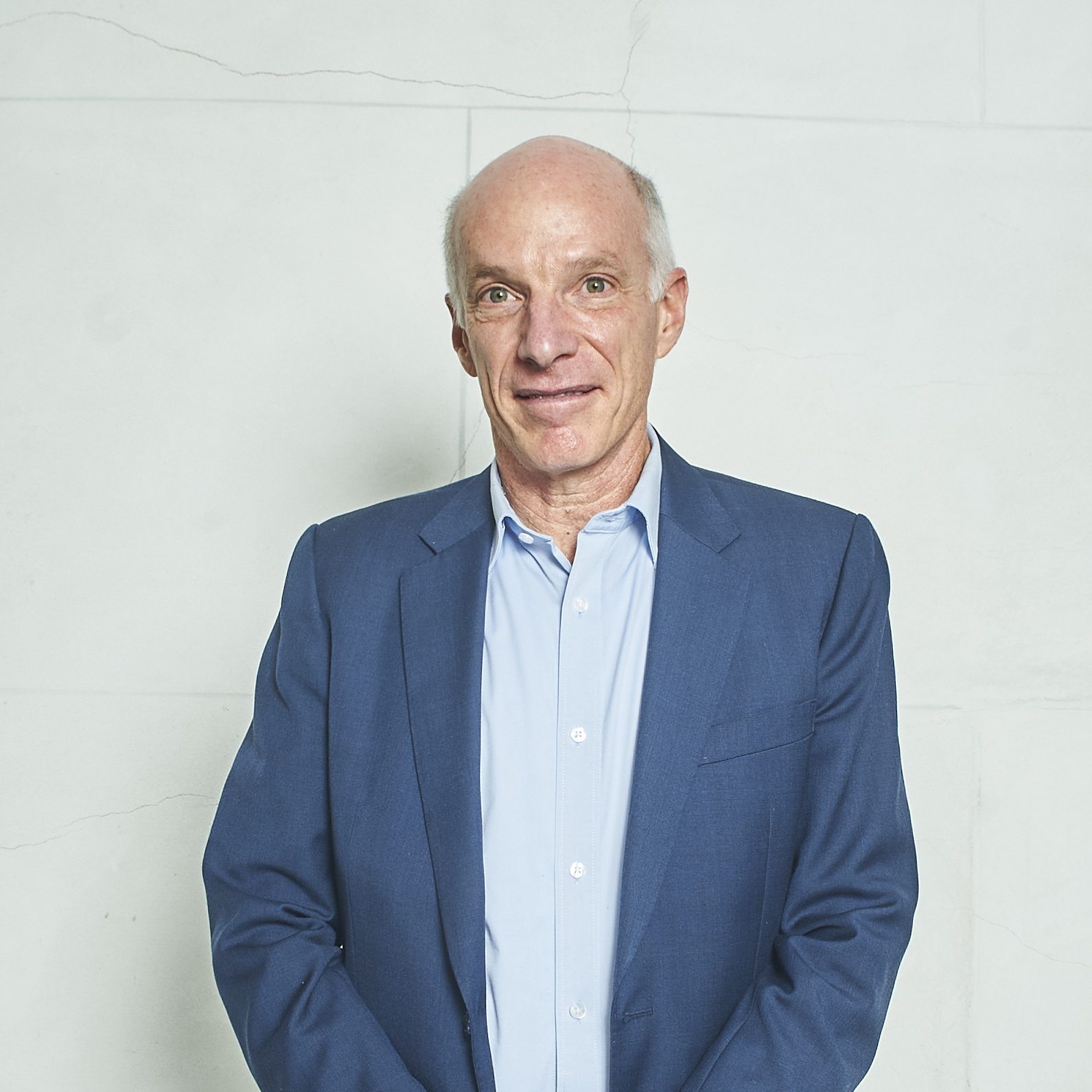
Profesor Distinguido Plato Malozemoff de Ingeniería Ambiental en la Universidad de California en Berkeley