
Learn about the 6 technologies with which the Internet of Things works to enhance its usefulness.
The Internet of Things (IoT) is the set of technologies that allow everyday “things” to be connected to the Internet and to send and receive data.
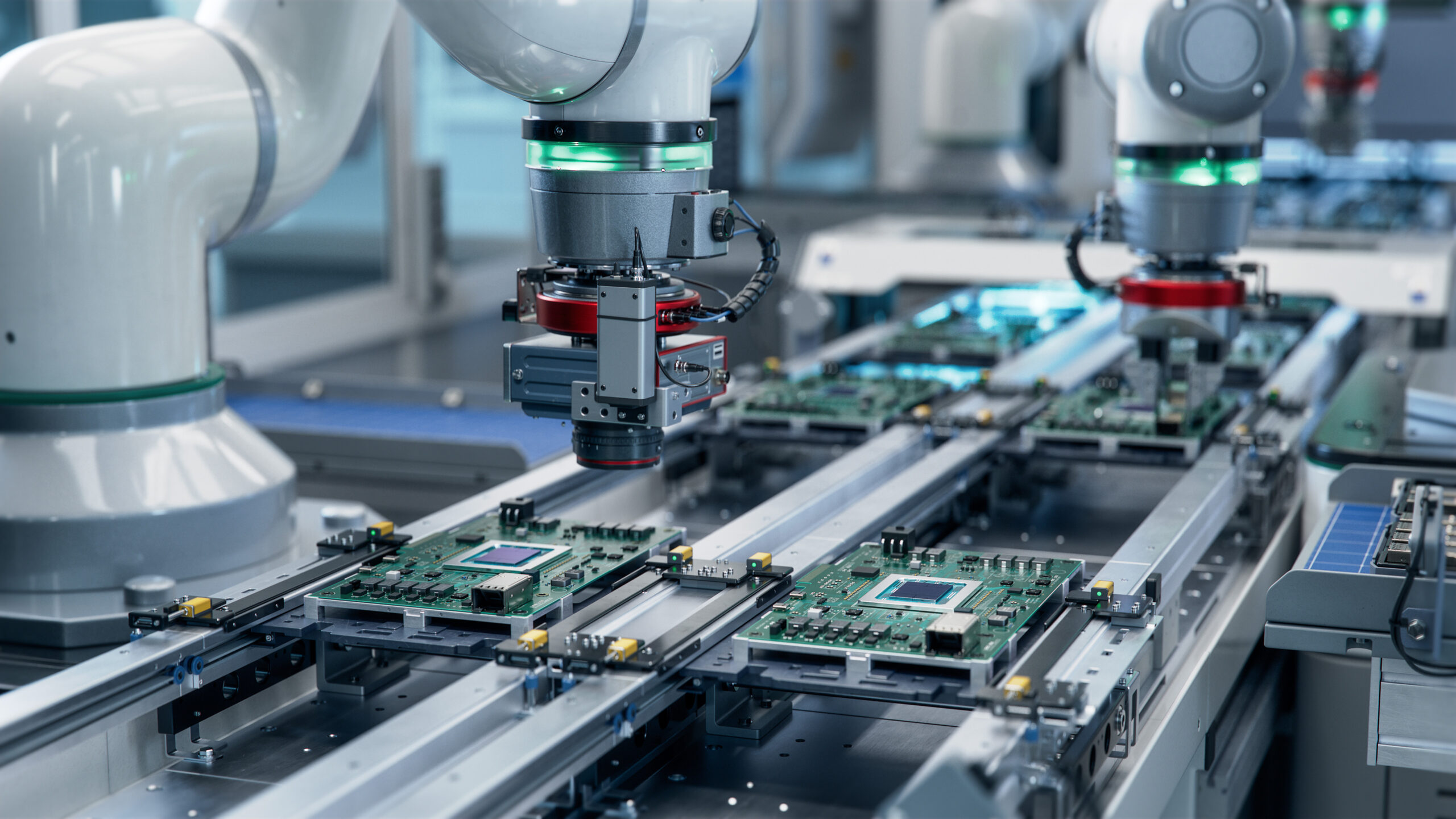
From autonomous vehicles to smart cities, including the so-called Industry 4.0, many of the innovations and new services and products that are appearing on the market make use of the IoT.
To enhance its applications, the IoT works with other cutting-edge technologies, such as Big Data, Artificial Intelligence, Blockchain, Cloud and Edge Computing, Augmented Reality and 5G.
Find out what each of them contributes:
1. Big Data.
Given that the IoT generates data from thousands or millions of sensors, Big Data will make it possible to make decisions that are automatic (through actuators) or guided by people (managing the computer applications developed for this purpose) in order to control, govern and optimize the IoT services deployed. In fact, we can say that currently all IoT projects contemplate Big Data technologies as an essential element of the solution.
2. Artificial Intelligence.
Along with Big Data, artificial intelligence will be needed to handle the vast amount of connected “things” and to make sense of the data transmitted from these devices.
Artificial intelligence, deep learning-oriented neural networks, and swarm intelligence (collective behavior of decentralized, self-organizing systems) are some of the key innovative factors that will give traction to the combination of AI and IoT.
3. Blockchain.
Blockchain technology could be applied to solve the security issues faced by IoT solutions. As IoT device connections increase, access points for hackers do too. Therefore, authentication and standardization in each of the IoT elements are essential aspects for widespread adoption.
We understand that efforts for Sovereign Digital Identity solutions can also be leveraged in IoT solutions, providing a unique identifier to each device and exchanging only the necessary identification and operating data depending on which other device or person is communicating with it.
4. Cloud and Edge Computing.
The “Fog Computing” and “Edge Computing” models arise to solve the communications problems that arise with the IoT. An illustrative example of the use of the three layers would be that of autonomous vehicles, where each vehicle makes decisions in real time such as braking, accelerating or changing lanes based on internal parameters of the car -EDGE-, the environment in which it is located -FOG- and general traffic or weather data. as well as new algorithms generated from the cloud -CLOUD-.
IoT systems are, due to their characteristics of a multitude of devices and a multitude of protocols, clear datato be managed from the cloud. The greater sophistication of devices, and the need for them to communicate with each other without human intervention, is leading to the use of Edge Computing.
This model is being applied in areas such as connected and autonomous vehicles, smart cities and smart homes.
5. Augmented reality.
Augmented reality technology can be used to visualize data from hundreds of sensors simultaneously, overlaying relevant, actionable information on the environment through a headset and a semi-transparent display. For example, if heavy machinery is being operated, you can get a real-time view of which components need to be replaced.
6. 5G and Mobile IoT.
5G technology, due to its improvements in speed and latency compared to 4G, promises a qualitative and quantitative leap in applications such as autonomous cars or remote surgical operations with robots. This means that applications that could not be addressed with 4G can do so now.
For example, experts believe that 5G networks will be able to support the enormous amount of data that smart cities will generate. Another case where 5G is essential is in autonomous vehicles. 5G innovations could allow autonomous vehicles to safely interact with each other, with traffic infrastructure, and even with the roads themselves.
Discover the applications of the union of the Internet of Things with these technologies on our website by clicking here.