
AI-generated summary
María José Alonso, a leading Spanish scientist and expert in pharmaceutical nanotechnology at the University of Santiago de Compostela, is recognized globally for her pioneering work on biodegradable nanoparticles that enhance drug delivery, particularly in vaccines. Her research has garnered international acclaim and support, including funding from the Bill and Melinda Gates Foundation. Throughout the COVID-19 pandemic, she has observed the scientific community’s dedication, creativity, and emotional commitment to addressing the crisis, highlighting the transparency of the pharmaceutical industry and effective coordination within Spain’s health agencies. The pandemic has deepened her awareness of global interconnectedness and human vulnerability, emphasizing the need for worldwide, comprehensive solutions.
Alonso underscores that despite unprepared health systems, scientific and technological advances—such as biotechnology, artificial intelligence, and nanotechnology—have positioned researchers well to develop new treatments and vaccines rapidly. She is optimistic that progress will be driven by science, compassion, and human solidarity, advocating for sustained support in research and health infrastructure to face future challenges. Looking ahead, she envisions innovations impacting global health, education, and environmental sustainability, stressing the importance of leveraging new technologies to protect both people and the planet. Ultimately, Alonso’s motivation stems from a commitment to health and education as fundamental pillars of society.
Global research into the development of pharmaceutical nanotechnology focused on biodegradable nanoparticles is led by scientist María José Alonso.
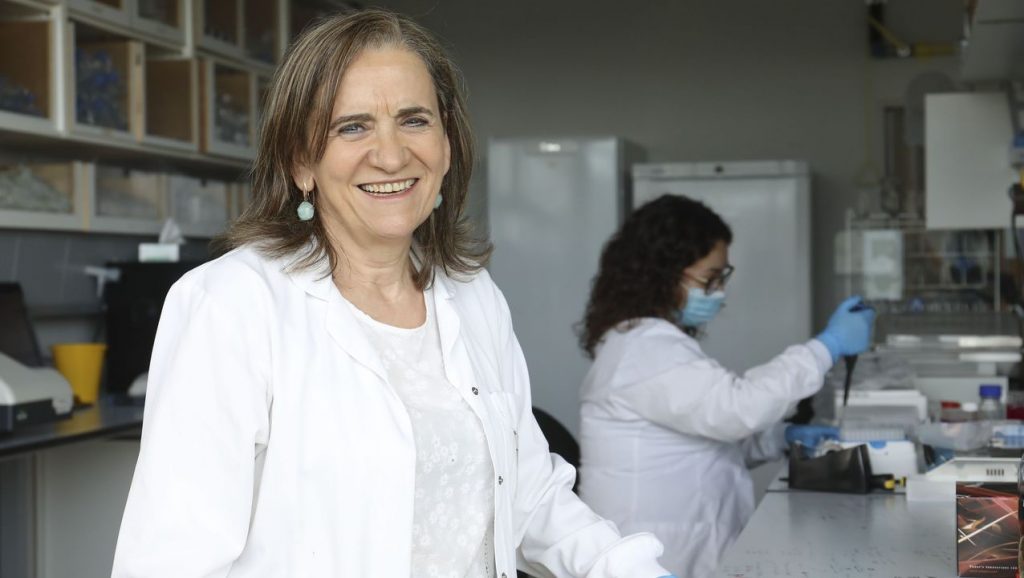
As part of our #FIBK Voices initiative, we share reflections with an exceptional scientist who is part of the community of experts of the Bankinter Innovation Foundation: María José Alonso is one of the most internationally recognized Spanish scientists thanks to her innovative work in pharmaceutical technology.
From her chair at the University of Santiago de Compostela, María José is a pioneer in global research in the development of pharmaceutical nanotechnology focused on biodegradable nanoparticles that transport drugs, increasing their effectiveness.
María José’s work has been internationally recognized, including funding from the Bill and Melinda Gates Foundation, and already has a direct application in something that at this time has a vital role in our lives: vaccines. Her capacity for work and her eternal smile define this Galician who fights to position science in a relevant place in social and economic development.
With this interview we want to know the vision of a woman who is at the epicenter of scientific activity:
The pandemic has been an abrupt turning point for humanity. Where have you seen the best reactions?
There are many people dedicated to the cause, but as far as my environment is concerned, the researchers, in general, have had an attitude of maximum dedication to the work, which has resulted in a very high level of creativity and performance. Researchers are experiencing the problem very intensely, getting involved not only with our minds but also with our hearts.
What things have positively surprised you?
I am positively surprised by the transparency of the pharmaceutical industry and also by the advantage that being in the European Union has offered us to access vaccines. At the country level, although I have always trusted in the good work of the Spanish Agency for Medicines and Health Products (AEMPS), I have been very pleased to see its good coordination with the Carlos III Health Institute and with other departments of the ministries of health and research. Finally, on a scientific level, I am very pleasantly surprised that vaccine coverage is proving to be so high.
How has your way of seeing the world changed?
This stage has made me think more about the globality of the world and the need to address this globality in a comprehensive way. The solution to problems cannot be local or partial, it must have a global approach. More than ever, we must feel like citizens of the world, with the responsibility that this entails. Also individually, I have been more aware of the vulnerability of the human being.
What innovations would you highlight in your sector or field of work?
Although we were not prepared for a pandemic in terms of the structure and logistics of the health system, we were prepared from the perspective of scientific and technological development and innovation, worldwide. Advances in the last half century in areas such as biotechnology, omics sciences and technologies, artificial intelligence and nanotechnology have paved the way for researchers involved in developing new treatments and vaccines.
2021 is being a year full of uncertainties and also hopes: Why do you think we will move forward?
We will move forward thanks to science, the kindness of many people and the love that unites us to human beings. These three engines will help us overcome the malignancy of the virus and the selfish and irresponsible attitudes of some people.
When do you trust that the great uncertainties (health, social, economic) will be cleared?
With the vaccination of a significant percentage of human beings, we will relax, we will interact more socially, and this will have a positive impact on health and the economy. However, I hope that the level of alert in relation to future medical challenges, which will undoubtedly come, will remain at a certain level in terms of support for research and for our health system. The future of the economy lies in research and the promotion of talent and the future of our health as well.
Responding to the unbeliever: What are your great motivators/goals to continue at the foot of the cannon?
The research collective is more at the foot of the cannon than ever in the time frame that I have had to live. The incentive is clear: to help our society; In my case, in the field of science and education, can there be a better incentive? I believe that there is no doubt that the essential pillars of any society are health and education. I feel privileged to have this opportunity.
In what field do you think the most important innovations will arrive, or should a bet be made in the coming years?
I would like to see the innovations of the coming years have an impact on the world in a global way because, in the end, we all share a planet that we have to take care of from the perspective of prevention and also treatment. I hope that there will be important innovations in the field of education, extracting the best of new technologies, in the field of health of people (biotechnology, nanotechnology, artificial intelligence, genomics) and in the field of the health of the planet (green energy, the fight against microplastics, the reduction of wild consumerism… etc).
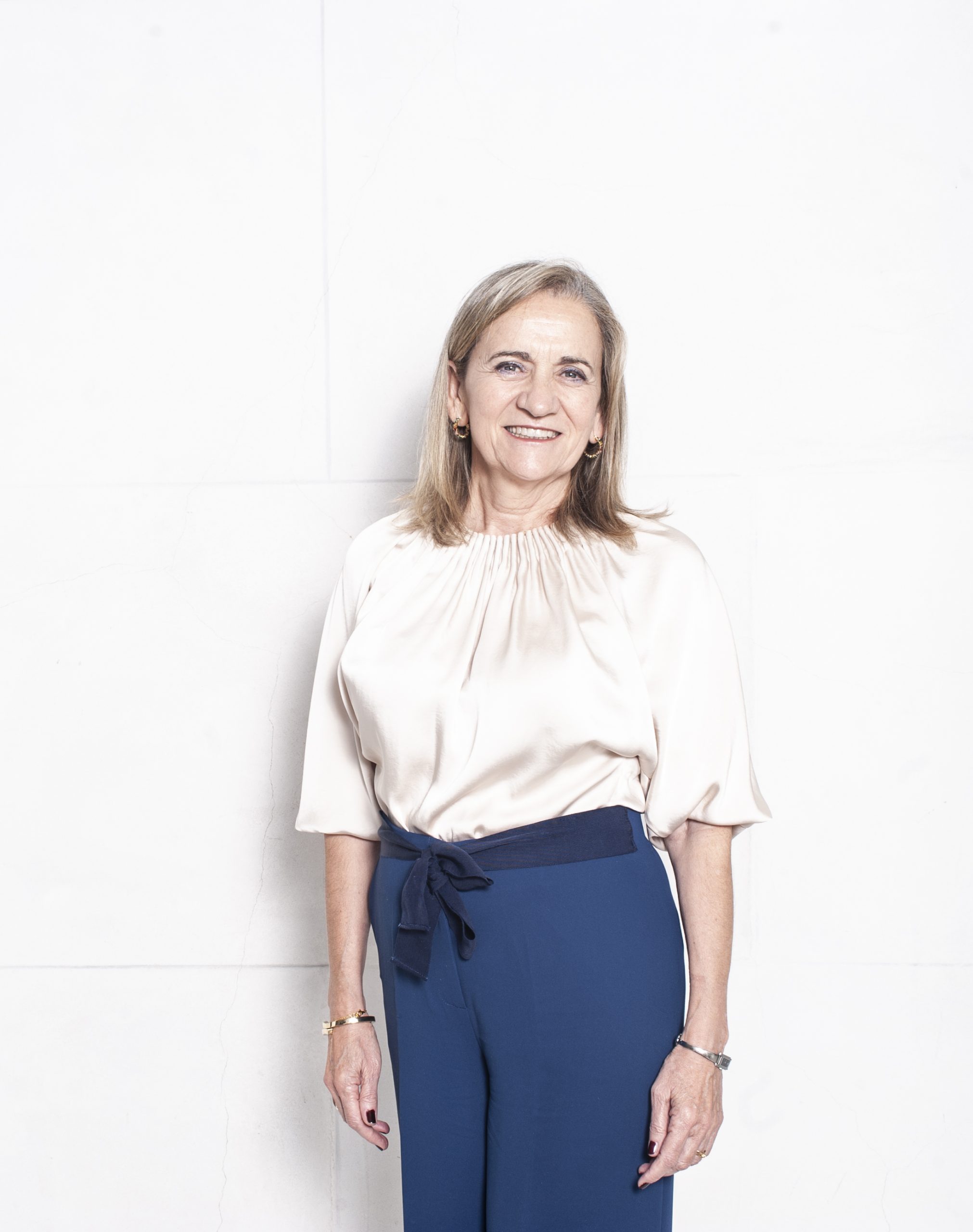
Profesora de Farmacia y Tecnología Farmacéutica en Universidad de Santiago de Compostela