
AI-generated summary
The future of work is being rapidly shaped by technological advancements and evolving social trends, accelerated notably by the pandemic. Teleworking, artificial intelligence, robotics, collaborative economy platforms, virtual and augmented reality, and new social networks like Twitch are transforming how we live and work. Alongside these, emerging technologies such as quantum computing and social movements emphasizing longevity, inequality reduction, and environmental protection present both profound challenges and opportunities. This convergence places us at a pivotal moment of uncertainty and potential in the world of work.
In response, the Bankinter Innovation Foundation has launched its Future Trends Forum in Madrid, a think tank dedicated to exploring the future of work over the next 5 to 10 years. The forum convenes leading global and national experts—including bestselling author Jeff Selingo, leadership specialist Tammy Erickson, and telework ecosystem pioneer Nacho Rodríguez—to reflect on key themes such as education innovation, talent management, corporate culture focused on sustainability and purpose, and business resilience through new collaborative models. The discussions aim to produce actionable recommendations for policy development, skill-building, and investment strategies that promote economic, social, and environmental well-being. By adopting holistic and innovative approaches, the Foundation seeks to drive positive change that secures the well-being of future generations.
How is it going to change the way we work and live in the next decade? What new professions and ways of working will emerge? Will this change the educational model?
Teleworking, artificial intelligence and robotics, collaborative economy platforms, virtual and augmented reality, new social networks such as Twitch, are trends that, accelerated by the pandemic, are entering our lives and will define the work of the future.
If we add to technological trends the promising quantum computing and social trends such as increasing longevity, the fight against inequality and against the deterioration of the environment, we find ourselves at a unique juncture in the world of work; at the same time full of uncertainties, illusions and opportunities.
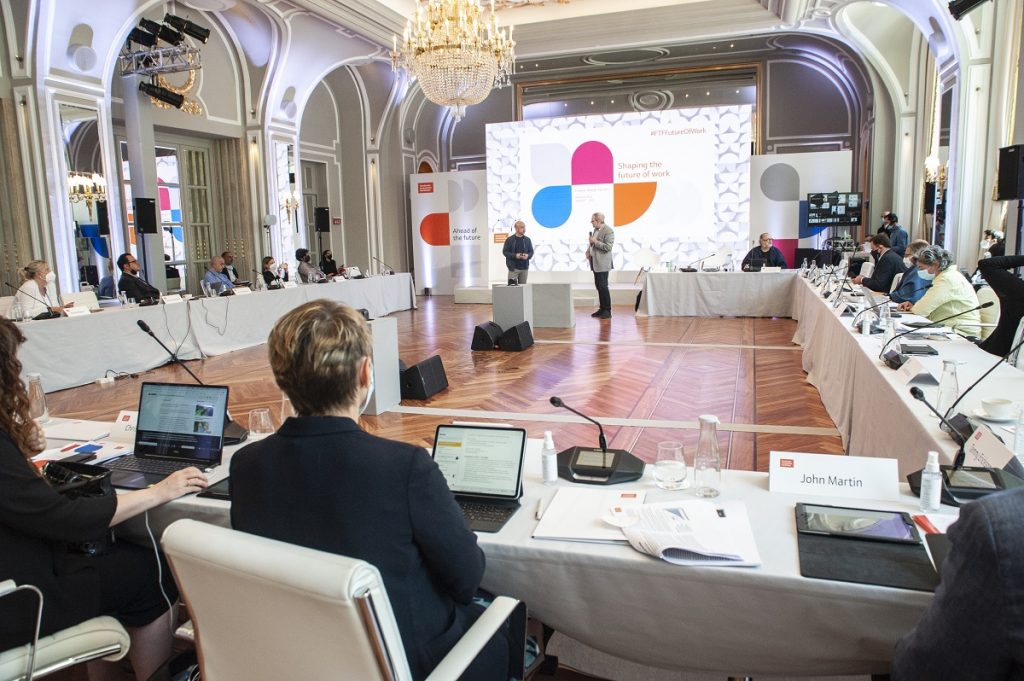
For this reason, the Bankinter Innovation Foundation is currently holding its Future Trends Forum think tank in Madrid, with a focus on what the future of work will be like: a space for reflection on the challenges and opportunities that arise, so that it allows us to actively identify the most cutting-edge innovations that will accelerate a positive change in the way we live. We work and enjoy leisure in the next 5 to 10 years.
This edition of the Future Trends Forum brings together some of the most powerful international and national minds in this field. As an example, we have:
- Jeff Selingo, author of several New York Times bestsellers, contributor to The Atlantic and Washington Post, and strategic advisor to universities around the world. Her reports and research focus on the changing nature of work and its impact on education.
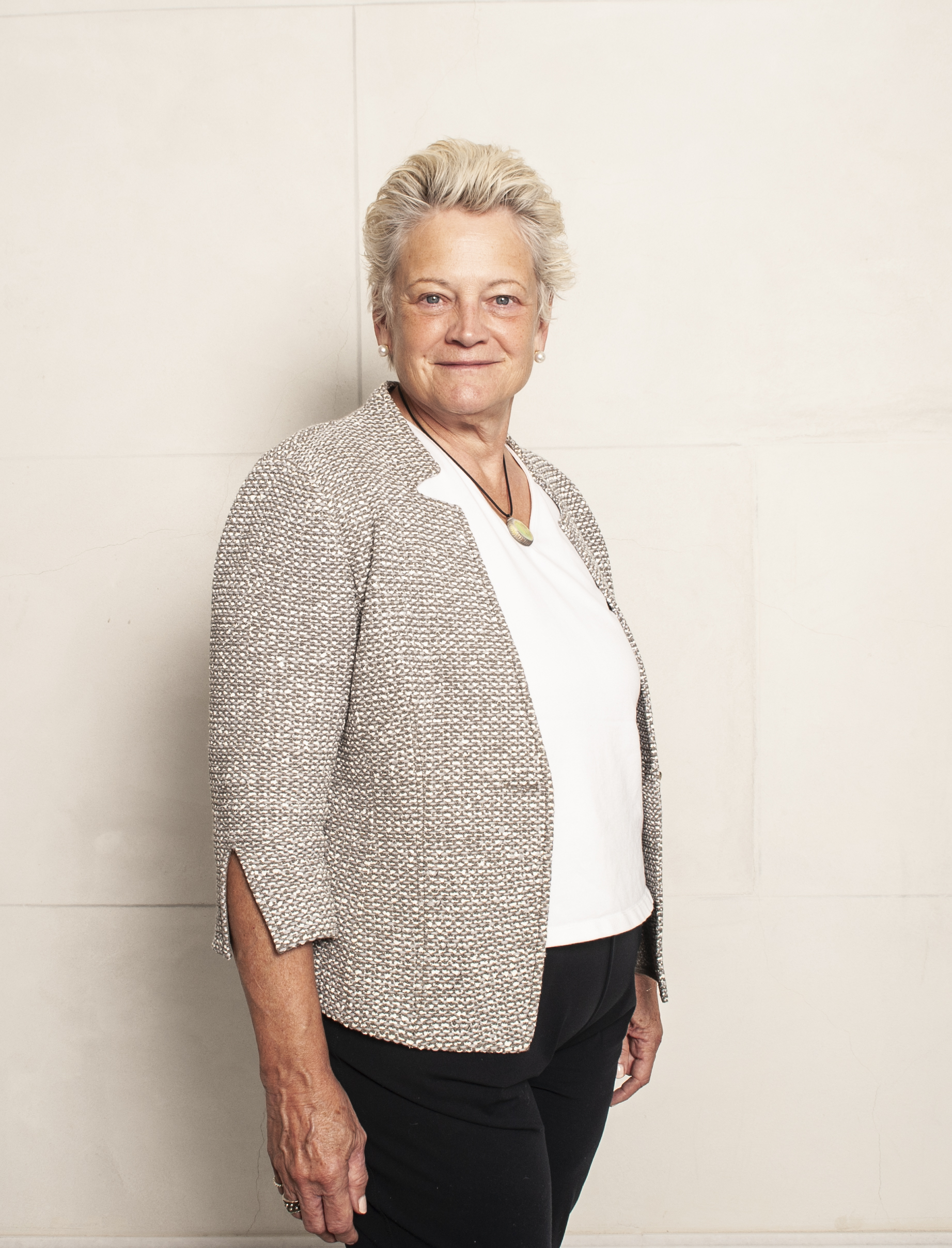
- Tammy Erickson, McKinsey Award-winning author and widely respected expert on new forms of leadership, collaboration and innovation, talent and productivity, and the nature of work in the smart economy. She was recently named one of the 50 most influential living management thinkers in the world.
- Nacho Rodríguez, founder of repeople.co, a platform that creates ecosystems for teleworkers. They started by designing and building an ecosystem in the Canary Islands as a living laboratory that can help drive positive change around the world, retaining and attracting top talent to build a thriving ecosystem.
Some of the major areas for debate and reflection, from which we will extract recommendations are:
1.- Education: innovation in education and new learning methods, continuous training and recycling systems.
2.- Talent management: New forms of leadership, new skills, new jobs. Importance of work-life balance and well-being.
3.- The companies of tomorrow: New culture and values, companies with a purpose. As we pointed out in our latest Future Trends Forum report, “Trust in the Digital Age“, a company’s purpose, focused on economic, social and environmental sustainability, is a critical factor in attracting talent and determining where consumers decide to spend their money.
4.- Innovation and business resilience. New collaborative models through cluster economies and new ecosystems.
The challenge ahead is enormous and it is necessary to face it from holistic, innovative and practical approaches: the well-being of the next generations depends on it.
The knowledge that is being generated in our think tank will be distilled into proposals for the development of new policies, the development of new skills, and the promotion of investments to promote positive change towards the greatest economic, social and environmental benefit.
At the Foundation we are already working on unifying all the knowledge and bringing together the main recommendations of our experts to ensure
Leadership educator, advisor, and author