AI-generated summary
Cellular communication is the system of chemical and electrical signals that lets cells sense their environment, share information, and coordinate actions to maintain homeostasis. Signals—hormones, neurotransmitters, cytokines or packaged cargo in extracellular vesicles—are released by one cell, recognized by receptors on another, and trigger intracellular cascades that alter metabolism, movement, gene expression, growth, or programmed death. The same messenger can produce different outcomes depending on receptor type, ligand concentration, timing, and the cell’s internal state. Networks of pathways include amplification, branching and feedback, which enable precise control but also complicate disease when signaling goes awry.
Disrupted communication underlies many diseases: cancer can result from persistent growth signals or blocked death cues, while autoimmune disorders arise when immune signaling misidentifies healthy tissue and sustains inflammation. Exosomes and other extracellular vesicles provide a flexible means of transferring proteins, RNAs and lipids between cells and are promising both as biomarkers and as delivery vehicles for therapies, including strategies to cross barriers like the blood–brain barrier. Translating these discoveries into safe, reproducible treatments requires better methods to isolate and target vesicles, rigorous clinical validation, and careful regulation. Advances in molecular signaling and synthetic biology are driving more precise drugs that modify specific pathways, but each new approach must show which signals and cells it affects, how long effects last, and what risks it introduces.
Cellular communication allows cells to coordinate metabolism, immune response, and tissue repair. Understanding their signals is also driving new drugs and exosome-based delivery systems.
Cellular communication is the system of chemical and electrical signals that allows cells to coordinate their activity and maintain the body’s internal balance. Thanks to this network, the body regulates temperature, glucose, blood pressure, immune response, tissue repair, and other processes that must be continuously adjusted.
Each cell receives information about what’s going on around it, interprets those signals, and responds according to its function. A hormone can tell the liver to store glucose, a neurotransmitter can activate a neuron, and a cytokine can mobilize different cells of the immune system. The response depends on the signal received, the receptor that recognizes it, and the internal state of the cell.
When this coordination is disturbed, the consequences can spread throughout an entire tissue. Some cells begin to divide without paying attention to the signals that slow down their growth, while others react against healthy components of the body or maintain inflammation that should have been extinguished. For this reason, studying cell signaling has become a fundamental way to understand complex diseases and develop more precise treatments.
What is cellular communication?
Cellular communication brings together the mechanisms by which one cell transmits information and another receives it. The National Cancer Institute of the United States (NCI) explains that many cellular signals are chemical substances, such as hormones, neurotransmitters or growth factors, that bind to receptor proteins located on the surface or inside a cell. This union initiates a process that modifies its activity.
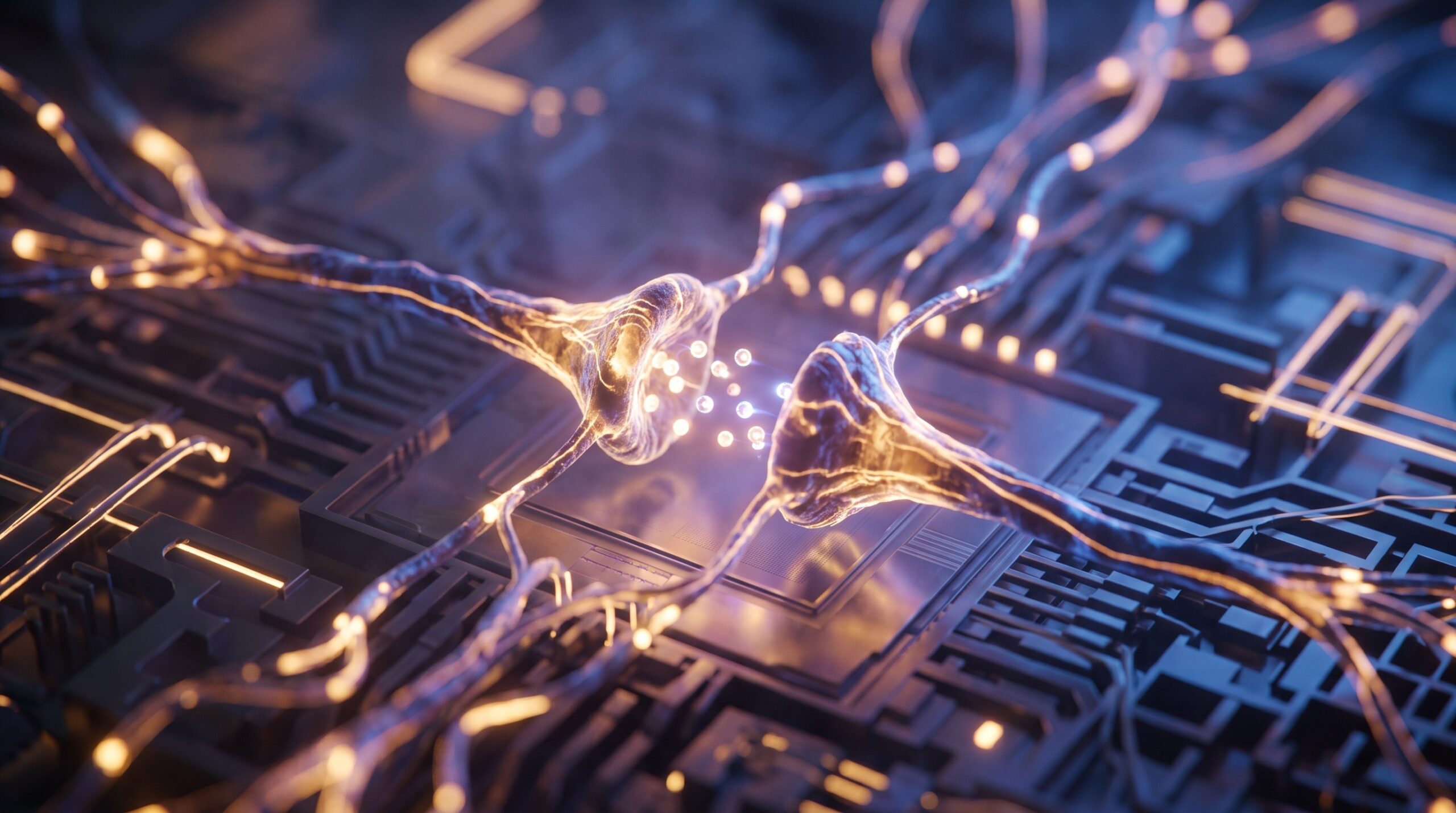
Signals can travel very different distances. Hormones travel through the blood and act on distant organs, paracrine signals reach nearby cells, autocrine signals influence the cell that releases them and neurons transmit information through synapses. Other cells need to maintain direct contact, while certain junctions allow ions and small molecules to pass between neighboring cells.
What is homeostasis and why does it depend on cell-to-cell communication?
Homeostasis is the body’s ability to maintain its internal conditions within life-compatible intervals, even as the body’s environment or needs change. Temperature, pH, oxygen concentration, glucose levels, and water-salt balance require coordinated sensing, communication, and response systems.
Glucose regulation offers a simple example. After eating, its increase in the blood stimulates certain cells in the pancreas to release insulin. The hormone travels through the bloodstream, binds to receptors present in muscle, fat, and liver cells, and activates processes that promote glucose uptake or storage. When levels drop, the signals change, and the body adjusts the response again.
This principle is repeated through feedback circuits. A sensor detects a variation, a signal reaches its target cells, and the response helps correct the imbalance. The effectiveness of the system depends on the message appearing at the right time, reaching the right place, and being turned off when it is no longer needed.
What Happens When Cellular Communication Fails: Cancer and Autoimmune Diseases
Cancer can be understood, in part, as a signaling disease. Healthy cells receive instructions that regulate when they should grow, divide, repair damage, or initiate programmed cell death. Alterations in receptors, enzymes, and internal pathways can keep growth signals active or block the mechanisms that should stop them. The NCI in the United States notes that studying these pathways has made it possible to identify alterations shared by different tumors and to develop treatments directed against specific proteins.
Autoimmune diseases show another type of imbalance. The immune system must distinguish between threats and tissues of its own, activate a proportionate response, and then return to a resting state. When that regulation fails, it can attack healthy cells or sustain persistent inflammation. The U.S. National Institute of Arthritis and Musculoskeletal and Skin Diseases (NIAMS) investigates how signals transmitted by cytokine receptors modify the gene expression of lymphocytes and contribute to immune-mediated diseases.
In both cases, networks with multiple routes and compensation mechanisms are involved, which helps to explain the difficulty of finding a single treatment and the ability of some diseases to develop resistance.
How Cell Signaling Works
All cellular communication includes three basic steps: emission, reception and interpretation. The sending cell produces or releases a messenger, the receiving cell has a structure capable of recognizing it and the union between the two triggers a series of internal changes.
What are ligands and cell receptors
A ligand is a molecule capable of selectively binding to a receptor. Hormones, neurotransmitters, cytokines and growth factors appear among the ligands. The comparison between a key and a lock helps to visualize the process, although the reality is more flexible, because a receptor can adopt different configurations, combine with other proteins and generate different responses depending on the type of cell.
Many receptors are found on the membrane because their ligands cannot cross the membrane. Others are located in the cytoplasm or nucleus and recognize molecules that are capable of entering the cell, such as some steroid hormones. The distribution of the receptors determines which tissues respond to a signal, so that a molecule can circulate throughout the body and act only on cells that have the appropriate receptor.
The receptor also does not work as a simple button. Its activation depends on the amount of ligand, the time it remains attached, the presence of other signals, and the metabolic state of the cell. This combination allows a limited number of messengers to produce very diverse responses.
What is the signaling cascade and how does it dictate the behavior of the cell?
When the ligand activates the receptor, signal transduction begins. The message passes from one protein to another through reactions such as phosphorylation, which involves adding a phosphate group to modify the activity of a protein. Second messengers may also be involved, including calcium, cyclic AMP , or certain membrane lipids.
The cascade organization allows a small stimulus to be amplified. A receptor can activate several proteins, each of which can act on many more and the message quickly reaches different areas of the cell. The pathways also branch out, cross and receive brake signals, so the final response integrates information from the environment, metabolism and DNA state.
The result can be immediate, such as opening an ion channel, changing cell movement, or releasing a substance. Other responses require modifying gene expression and take longer. Through these cascades, the cell decides whether to grow, divide, differentiate, migrate, repair damage, or initiate apoptosis, a controlled form of cell death that helps protect the body.
What Exosomes Are and Why They’re Revolutionizing Medicine
Cells also send out complete packets of information. Extracellular vesicles are particles surrounded by a lipid membrane that are released into outer space and can carry proteins, lipids, and nucleic acids. Exosomes constitute a particular category and form within cellular compartments known as endosomes.
The International Society for Extracellular Vesicles, an international scientific organization, recommends using the general term extracellular vesicles when it has not been demonstrated how the particle was formed. This precision is important because many research and commercial products call mixtures of vesicles with different origins and characteristics exosomes.
How exosomes work as vehicles for cellular communication
A vesicle protects its contents as it moves through biological fluids and can interact with another cell through surface proteins, membrane fusion, or internalization mechanisms. Once received, its charge can influence the activity of the target cell.
A study published in Nature Cell Biology in 2007 showed that vesicles released by mast cells contained messenger RNA and microRNA, and that some of that material could be transferred and function in other cells. The work, signed by Hadi Valadi and other researchers, helped show that vesicles are involved in the exchange of genetic information between cells.
Their content can vary depending on the type of cell and its state, so these particles are also of interest as biomarkers. Analysing vesicles present in blood or other fluids could provide information on pathological processes without the need to directly access the affected tissue, although their clinical application requires reliable methods to isolate, classify and interpret their load.
Exosomes as a drug delivery system: what is the blood-brain barrier and how to cross it
The blood-brain barrier is made up of cells and structures that control the passage of substances from the blood to brain tissue. Its function protects the nervous system against toxins and alterations in the internal environment, but also prevents many drugs from reaching useful concentrations in the brain.
Biotechnology investigates how to load extracellular vesicles with RNA, proteins, or drug molecules, and how to modify their surface to direct them toward specific cells. The idea is to harness a biological vehicle and add a therapeutic payload and delivery address to it.
In 2011, a team linked to the University of Oxford, in the United Kingdom, published in Nature Biotechnology an experiment in mice in which exosomes modified with a neuronal targeting peptide transported interfering RNA to the brain after a systemic injection. The treatment reduced the expression of BACE1, a protein investigated for its relationship with Alzheimer’s disease.
The result demonstrated an experimental possibility in animals, although there is still a considerable distance to be available before widespread treatments in humans are available. The field must figure out how to produce homogeneous vesicles, introduce a controlled dose, direct them to the correct tissue, avoid immune effects and manufacture the product in a reproducible way.
The U.S. Food and Drug Administration (FDA) maintains warnings against exosome products that are marketed without authorization and has reported risks related to treatments offered outside of valid trials and regulatory processes. This caution helps separate scientific potential from commercial promises that still lack clinical evidence.
Cell signaling as a new frontier for the pharmaceutical and biotechnology industry
An important part of pharmaceutical innovation is identifying which signal drives a disease and developing a molecule capable of blocking, restoring, or redirecting it. Targeted cancer therapies act on proteins that control the growth, division, and expansion of tumor cells. Trastuzumab, for example, intervenes on HER2 signaling in certain breast cancers, while other drugs block kinases, receptors, or immune checkpoints.
The same logic appears in inflammatory and autoimmune diseases. Antibodies against certain cytokines and JAK kinase inhibitors modify pathways used by immune cells to activate inflammation. These therapies show the clinical value of understanding a network of signals, although the same pathway can fulfill useful functions in other tissues, cause adverse effects, or find alternative pathways that reduce response to treatment.
Exosomes expand this frontier because they can act as a source of biomarkers and as potential therapeutic vehicles. Their membrane provides a basis for carrying biological payloads, while proteins on their surface can be modified to improve targeting to certain tissues. Industrial development will depend on reproducible methods of isolation, characterization, storage, and manufacturing, along with regulatory criteria capable of assessing their safety.
This advance connects with the report Synthetic Biology by the Bankinter Innovation Foundation, which analyzes how the ability to read, edit, write and compose living systems is generating new innovation platforms. In the field of cellular communication, this transformation involves designing receptors, genetic circuits and biological vehicles that recognize specific signals and produce a controlled therapeutic response.
Understanding how cells communicate allows us to observe the body as a dynamic network, where each message depends on its context and each response modifies the whole. The research advances from the description of these signals to more precise interventions, with drugs that block altered pathways and experimental systems that take advantage of the cell vesicles themselves to transport treatments.
Cell signaling already underpins numerous drugs, and exosomes can open pathways to reach difficult tissues, although each breakthrough will need to demonstrate what signal it modifies, which cells it acts on, how long its effect lasts, and what risks it introduces. That combination of molecular knowledge, biological engineering, and clinical validation will define an important part of the next generation of drugs.