AI-generated summary
Mixed reality (MR) is a technology that blends physical and virtual environments, encompassing both virtual reality (VR) and augmented reality (AR). Introduced in 1994 by Paul Milgram and Fumio Kishino, MR enables users to interact with digital objects integrated into the real world, such as holograms, creating immersive experiences. Technologically, MR involves spatial mapping, human interaction tracking (eye, hand, voice), sound, and 3D object collaboration, facilitated by devices like visors, sensors, and haptic equipment. However, widespread adoption awaits advancements in hardware efficiency, affordability, ergonomics, and battery life.
MR’s applications span many sectors. Manufacturing, especially automotive, defense, and aerospace, benefits through digital twins for optimizing products and processes, enhancing design, training, remote assistance, and security. In design, MR supports virtual prototyping and exploration across fields from architecture to fashion. Maintenance improves customer service by enabling remote expert support. In trade and marketing, MR enhances online shopping and creative innovation, respectively. Education uses MR for immersive practical training, while healthcare leverages it for surgical simulation, telemedicine, diagnosis, and research, marking it as a highly promising domain. Overall, MR is poised to transform various industries by merging real and digital worlds for improved interaction, efficiency, and creativity.
Technologies that allow us to modify the way we perceive and relate to reality take human-machine interaction to an unprecedented level of complexity.
Being half in a real place and half in a virtual place: this is mixed reality (MR). A concept that includes and summarizes those of virtual reality (VR) and augmented reality (AR). The applications are numerous, from healthcare to industry, from marketing to retail, from education to design.
The term ‘mixed reality’ was introduced in 1994 by Paul Milgram and Fumio Kishino in ‘A Taxonomy of Mixed reality Visual Display‘. Experiences that can alternate between augmented reality and virtual reality make up mixed reality. For example, if we place a digital object, such as a hologram, in the physical world as if it were physically present, we have entered a mixed reality.
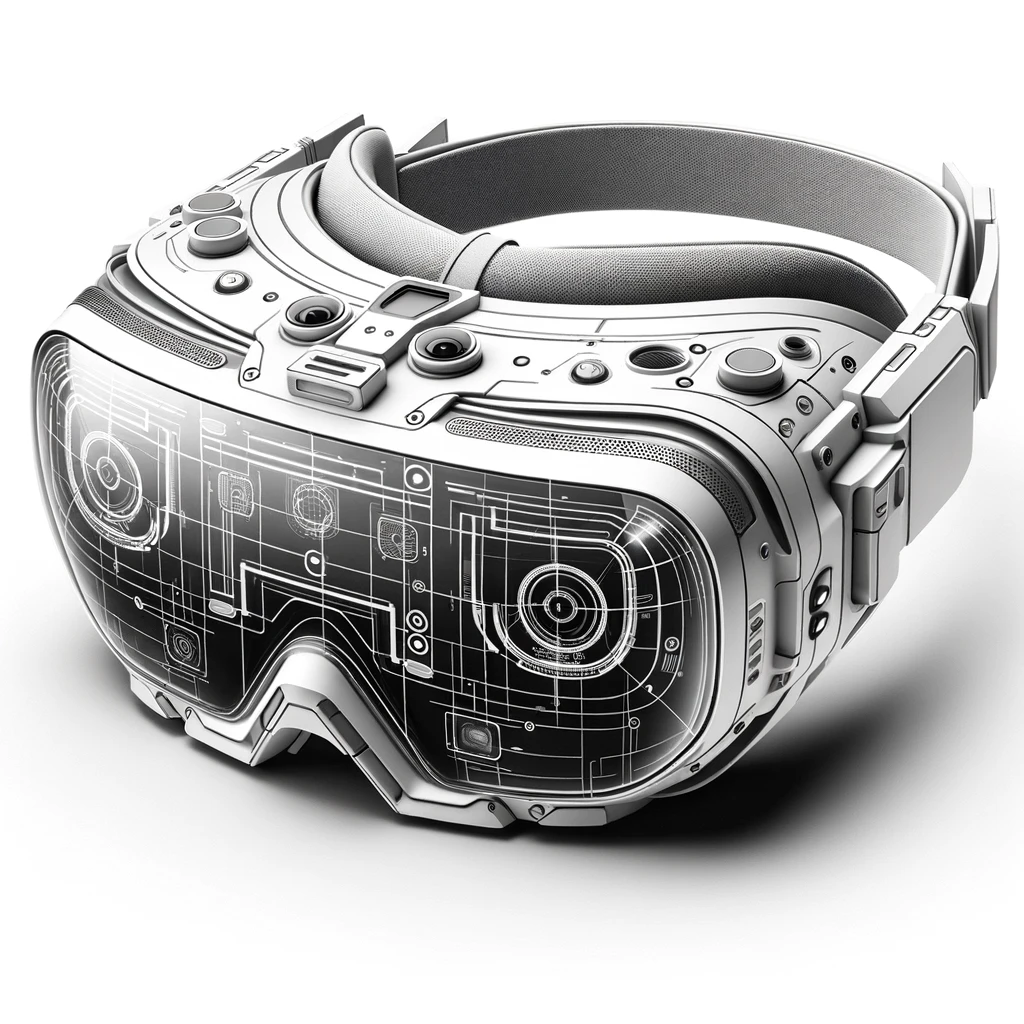
From a technical and technological perspective, mixed reality includes environmental understanding (spatial mapping), human understanding (hand-tracking, eye tracking, and voice recognition), sound, location in physical and virtual spaces, collaboration with 3D objects. In mixed reality , the person can interact and move elements and environments, both physical and virtual, using sensory and imaging technologies.
In addition to visors or helmets, other devices are also needed to track the user’s movement in physical reality and allow them to interact in the virtual world. We are talking about ‘on-body‘ (for the person) and ‘off-body‘ sensors (for the environment), haptic devices (such as gloves and jackets), holograms, microelectromechanical systems (MEMS) for tactile experiences without the help of portable devices.
According to a According to McKinsey’s report, it will still take several years to have efficient hardware devices that support large-scale virtual reality, augmented reality, and mixed reality experiences. Not only because of the price but also because of the ergonomics, weight or battery life. However, the possible applications are already evident.
Mixed reality use cases
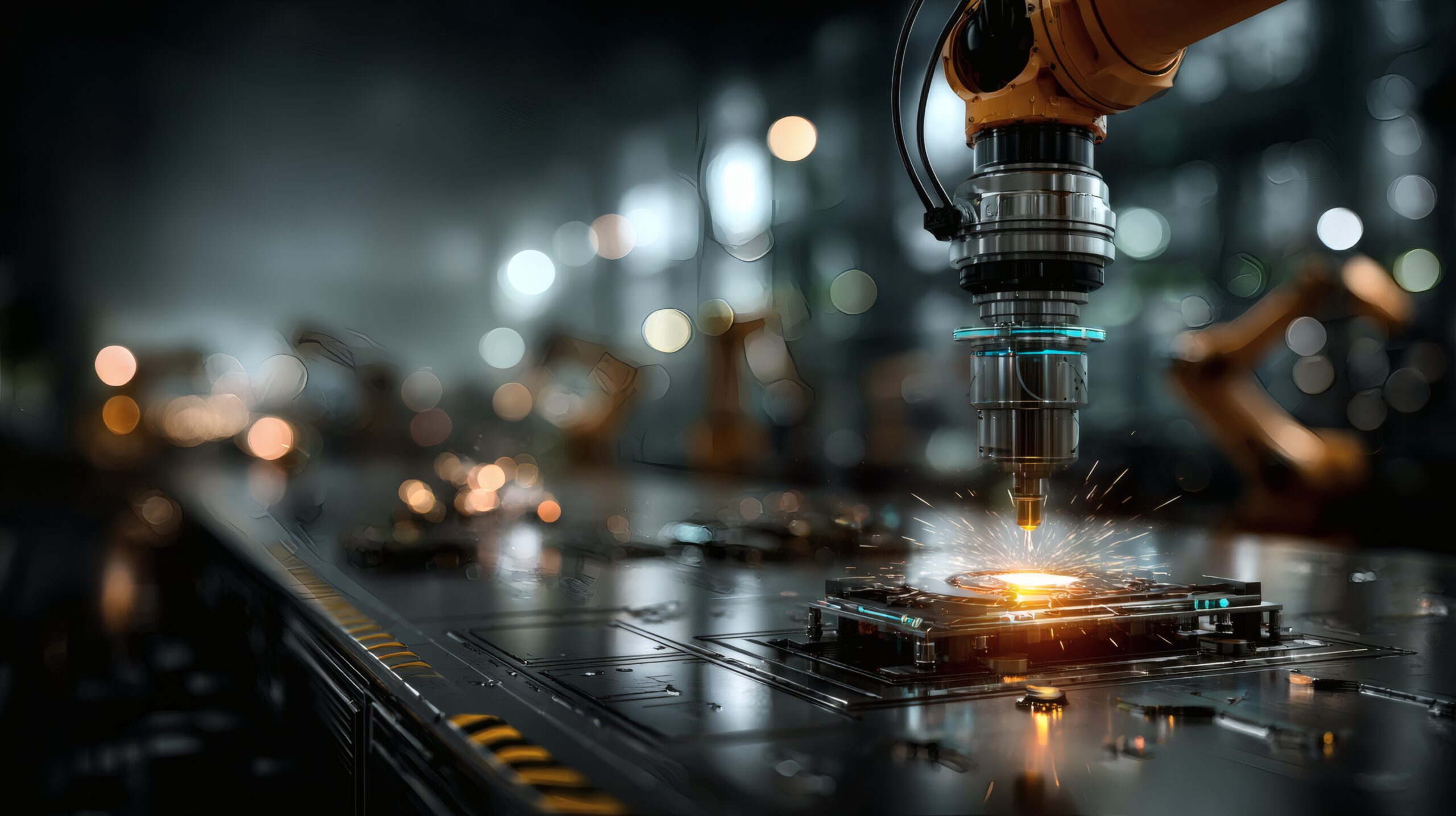
McKinsey believes that manufacturing will be one of the areas most impacted by the RM, particularly in the automotive, defense and aerospace sectors. The fields of application will be: the use of the
Design
Mixed reality is used in the design and product development phases, from architecture to fashion. The aforementioned digital twins allow the virtual exploration of a physical environment (e.g. a construction site) or a product (e.g. a new space satellite) or experimentation and development through prototypes.
Maintenance
The end-customer experience is significantly improved because issues are resolved more efficiently. For example, with mixed reality, you can connect an engineer in the company with an on-site technician and solve a customer’s problem anywhere in the world.
Trade
Mixed reality finds application in the distribution of stores and warehouses and in everything related to the online shopping experience : from the possibility of browsing the product catalog in 3D, to fitting rooms and virtual showrooms.
Marketing
It enhances creativity, as innovative ideas and solutions can be explored without wasting budget or resources.
Training
Immersive technologies are used in practical training, both at the level of school education and professional training. 3D models and virtual environments are used in which people test their knowledge and skills in a safe environment.
Bless you
Training and simulation of procedures, assistance during surgical interventions, telemedicine, diagnosis, research and development. This is one of the areas with the greatest potential for mixed reality.