
AI-generated summary
At the Future Trends Forum on fusion energy, Eden Shochat, a venture capitalist and trustee of the Bankinter Innovation Foundation, emphasized that attracting venture capital to fusion energy requires more than breakthrough technology. Shochat warned that fusion startups must adopt the language and mindset of investors, focusing on clear narratives, well-defined risk strategies, and scalable business models. He argued that while capital is abundant, there are too few viable investment opportunities because many fusion projects fail to translate their scientific innovations into compelling market stories. According to Shochat, the sector needs to identify intermediate return points, break down technical challenges into fundable components, and build hybrid teams that combine scientific excellence with strategic business expertise.
Shochat outlined key criteria venture capitalists look for in fusion investments: intermediate returns within reasonable timelines, diversified and transparent risk layers, founders with strong execution capabilities, and scalable business models that demonstrate capital efficiency. He stressed that fusion must move beyond lab-focused thinking to embrace a business ecosystem approach if it hopes to attract serious investment. Without this shift, fusion risks losing capital to other emerging technologies. The Bankinter Innovation Foundation supports this vision by fostering dialogue and analysis to help transition fusion energy from scientific promise to a viable industry, as detailed in their comprehensive report and ongoing Fusion Forward series.
At the Future Trends Forum, Aleph VC partner Eden Shochat delivers a blunt message: fusion energy won't scale unless it learns how to talk to capital
This article has been translated using artificial intelligence
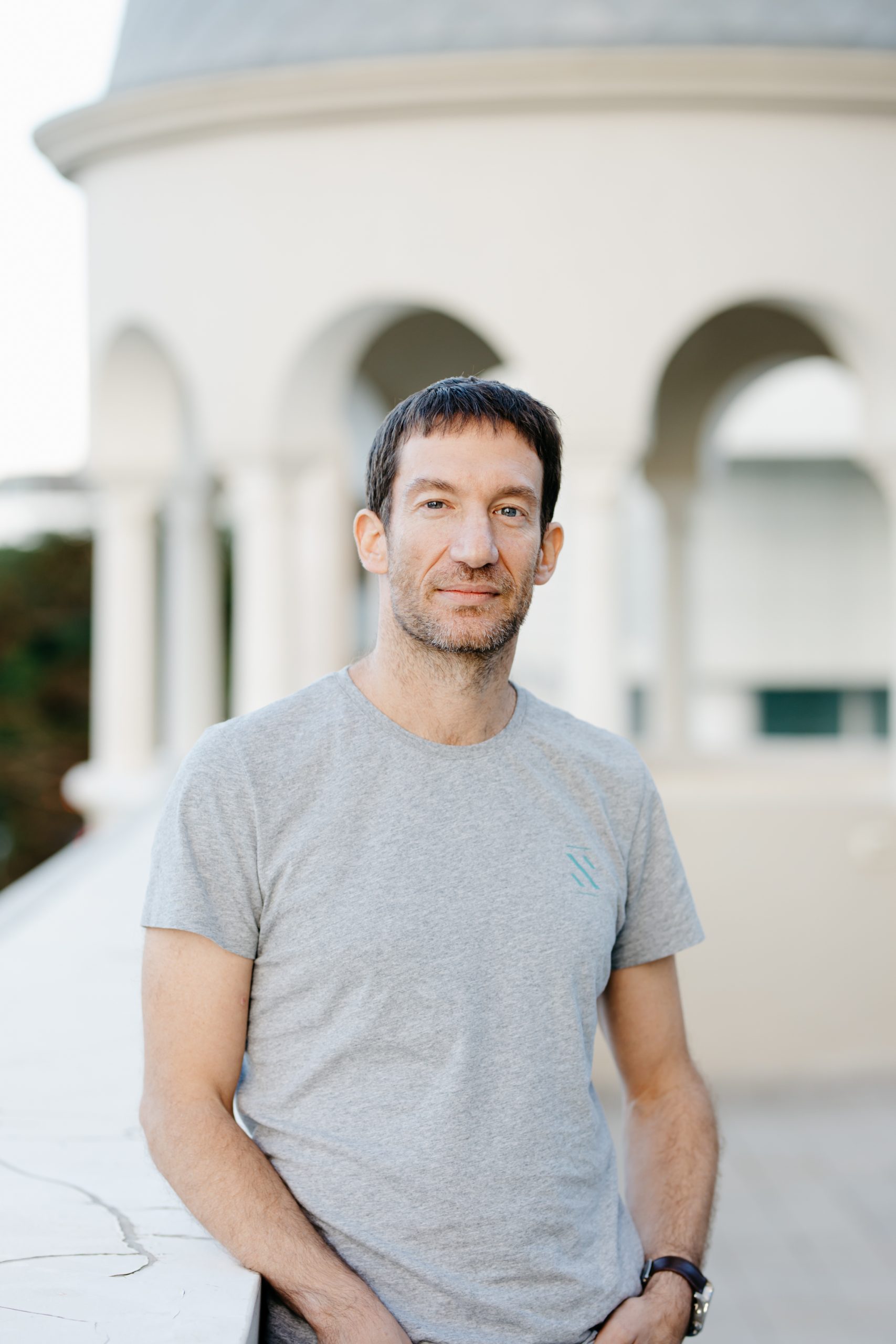
At the Future Trends Forum on fusion energy, hosted by the Bankinter Innovation Foundation, more than twenty international experts shared their insights on this transformative technology. One of the most provocative voices was that of Eden Shochat, partner at the venture capital firm Aleph and a trustee of the Foundation. With a direct, no-nonsense tone, Shochat issued a clear warning: if fusion wants to attract venture capital, it needs to learn the rules of the game.
For Shochat, having the best technology in the world is not enough. What’s needed is a clear narrative, a well-defined risk strategy, and a deep understanding of the incentives that drive venture capital. As he puts it:
“Money is not the problem. The problem is how to deploy it in a viable way.”
If you’d like to watch Eden Shochat’s full talk at the Future Trends Forum, you can find it here:
Eden Shochat: “Investment in Fusion” #FusionForward
Plenty of Capital, Too Few Viable Opportunities
Eden Shochat doesn’t mince words: venture capital isn’t short on cash -it’s short on focus. Today, there’s more capital available than ever, especially for frontier technologies. The issue, he says, is that most fusion projects still don’t speak the language of investors.
“The technology may be brilliant, but if the risk isn’t clearly defined, no serious investor will step in.”
Shochat emphasizes that VCs aren’t afraid of risk -they just need risk that’s understandable and actionable. Many fusion startups, however, still operate under academic or industrial logics, without translating their innovation into a scalable business narrative.
To become investable, the sector needs better structure. That means breaking technical challenges into more manageable, fundable layers, identifying what parts of the value chain are viable investment opportunities today, and building business models around them. It’s not about waiting for the perfect reactor- it’s about starting now, with investment in components, software, simulation, automation, or materials.
“The mistake is thinking the reactor is the only thing worth funding. There are many other layers where value can be created -and captured- on more realistic timelines.”
To attract venture capital, Shochat says, the fusion sector must tell business stories—not just science stories. That requires training founders, building hybrid teams, and designing financial structures aligned with VC timelines and return expectations.
From Science to an Investable Narrative
One of the most common mistakes among scientific teams, according to Shochat, is assuming the data speaks for itself. In venture capital, however, data needs narrative. Without a clear, concrete, and compelling story that connects the technology to a market, there will be no investment.
“It’s not enough to explain how your technology works. You have to explain why it matters to someone with $50 million to invest.”
Shochat doesn’t criticize the sector’s scientific ambition –he critiques its lack of narrative architecture. What’s missing isn’t white papers; it’s growth models. Investments tied to milestones. Roadmaps for value creation. Storytelling that is credible -not smoke and mirrors, but not just fundamental physics either.
A compelling, investable narrative should include:
- A clearly defined market, even if it’s partial or adjacent.
- Tangible competitive advantage, not just technically but economically.
- Credible capital deployment, with a logical path to scaling.
- A broader vision of impact, connected to strategic trends like defense, AI, or sustainability.
The goal isn’t to “sell hype,” but to build investable propositions that can survive outside the lab. In many cases, Shochat argues, a cultural shift is needed among founding teams: bringing in people with a product mindset, strategic thinking, and market experience -without losing scientific excellence.
“We don’t invest in Excel models. We invest in plausible hypotheses, well told -and backed by hungry talent.”
For fusion to move forward, progress in the lab isn’t enough. The field must also evolve in language, positioning, and strategy. Only then, Shochat concludes, will capital meet science.
What Venture Capital Needs to See in Fusion
Shochat doesn’t say venture capital can’t invest in fusion. He says there still aren’t enough opportunities that make sense from a VC perspective. But that can change. So, what does an investor like him need to see to get involved?
1. Intermediate Return Windows
The road to a commercial reactor may take decades, but that doesn’t mean there’s no value along the way. Shochat stresses the need to identify “return windows” –intermediate points where a technology, component, or solution can already generate revenue or meet demand in adjacent sectors like AI, defense, or aerospace.
“If the only possible return is in 2045, that’s not a VC investment -it’s a grant.”
2. Diversified Risk Strategies
VCs accept risk—but they expect quick returns when things go right. In fusion, that means unpacking the risk into layers: technical, regulatory, market, and product. The more clearly defined each layer is -and the more its trajectory is understood- the more fundable the project becomes.
3. Founders with Execution Mindset
Great technology isn’t enough. If the team can’t sell, manage resources, hire talent, or pivot when needed, the company won’t move forward. Shochat puts strong emphasis on founders -he wants to see hunger, clarity, and decisiveness.
“I don’t invest in people who wait for something to happen. I invest in people who make things happen.”
4. Elastic Business Models
A solid project must prove it can scale. That means capital usage must create real multipliers –in product, customers, or technology. If each million only funds survival for another 12 months without real progress, it’s not an investment -it’s life support.
In short, Shochat’s message is clear: the money is there—but the sector needs to learn how to ask for it properly. That means thinking like an industry, not just like a science lab.
Invest Right—or Be Left Behind
Eden Shochat’s talk at the Future Trends Forum wasn’t sugar-coated. It was blunt, uncomfortable for some, but necessary. Because if Europe -and the scientific community more broadly- wants to attract VC into fusion, it needs to stop thinking like a lab and start thinking like a business ecosystem.
Shochat doesn’t claim fusion isn’t a good bet. He argues that it’s not yet framed in an investable way. And that’s a missed opportunity. Without the right conditions -narrative, teams, strategies, financial structures- capital will go elsewhere. To other technologies, other countries, and other ventures that know how to translate risk into value.
“It’s not enough for fusion to work. It has to fit the current investment model if we want it to take off.”
At the Bankinter Innovation Foundation, we see it clearly: the challenge isn’t just technical -it’s about designing the future. That’s why we continue to analyze, connect, and amplify the voices that can help turn fusion energy into a real industry. With talent, with visión -and with well-placed capital.
This article is part of the ongoing analysis conducted by the Bankinter Innovation Foundation. The full report, Fusion Energy: A New Energy Revolution Underway, brings together insights from more than twenty international experts and outlines the five critical pillars needed to scale fusion energy as a climate, economic, and technological driver.
Download the report to explore how we can start building tomorrow’s energy system—today.
And if you’re interested in continuing to explore this transformation, don’t miss the upcoming editions of our Fusion Forward series, where we bring society closer—through rigor and vision—to the key forces shaping the energy future already in the making.
Partner at Aleph