46th Meeting of the Future Trends Forum: Synthetic Biology

Synthetic Biology

46th Meeting of the Future Trends Forum: Synthetic Biology

Synthetic biology is the application of engineering principles to living systems to create new biological capabilities: from bacteria that make insulins, microorganisms that generate biofuels, or processes that transform CO₂ into materials. In other words: to move from studying life to designing it.

The title of the Future Trends Forum – “Synthetic biology is going digital”– It points to a key transformation. Some experts are already talking about digital biology to describe a field in which DNA, data, artificial intelligence, automation and biological synthesis are beginning to be integrated into increasingly powerful design platforms. The idea helps explain the convergence between biology and digital technologies, but it’s best not to take the analogy too far: biology can be designed with digital tools, but it still happens in living, physical, evolutionary, and hard-to-predict systems.

For centuries, humanity has used living organisms without fully understanding their inner workings: we fermented with yeast to produce bread, we selected citrus fruits to make their fruits sweeter generation after generation, and we domesticated wolves until their descendants became docile dogs. All of these uses took place long before we knew what a gene was. Later we learned to read DNA, that four-letter code where living beings store instructions. Today we are entering a different stage: life is beginning to be treated as a technological platform.

As happened before with electricity, chemistry or computing, synthetic biology seeks to turn a natural phenomenon into a technological basis. The difference is that here the raw material is not silicon, steel or oil. It’s life.
Life as Programmable Technology

Synthetic Biology

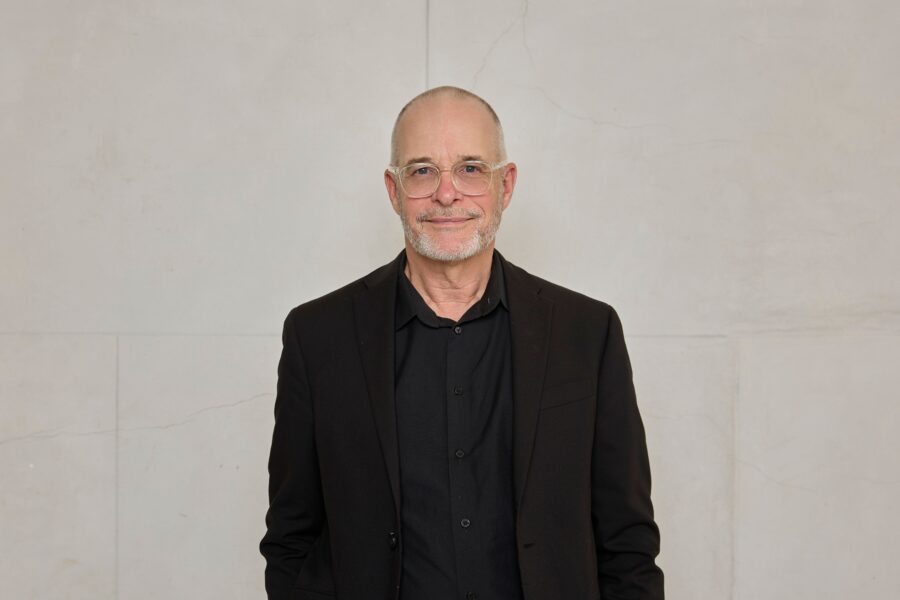
“Biology is becoming programmable.”

Andrew Hessel

Reading, editing, writing... and compose

Synthetic biology can be understood through four capacities: reading, editing, writing and composing.

  • Reading means sequencing DNA. Today we can know the genetic information of organisms with a speed and cost that was unthinkable a few decades ago.
  • Editing means modifying existing DNA. Tools such as CRISPR allow genetic fragments to be changed, inserted or deleted with high precision. They are already being used in biomedical research and are beginning to reach therapies and agriculture.
  • Writing means synthesizing DNA: fabricating new sequences and assembling them into larger and larger fragments. As Andrew Hessel, co-founder and president at GP-write, explained, the field is moving toward sequences of millions of genetic letters.

The fourth ability is the most difficult: composing. Frances Arnold, Nobel Prize in Chemistry and trustee of the Bankinter Innovation Foundation, summed it up as follows:

“We can read, we can write, we can edit.

What we’re still dealing with is composing.”

A cell is more like a symphony than a line of code. We can read the score, change notes, and write new snippets. But we still do not know how to compose a complete biological work.

This idea avoids two mistakes:

  • to think that synthetic biology is science fiction, when it already has real applications;
  • believing that a cell is programmed like a computer. The cell is alive, evolving, and responding to an environment that we still only partially understand.

Why biology is so hard to program

Life was not designed from scratch. It is the result of billions of years of evolution. Adrian Woolfson, president and CEO of Genyro, explained it with a clear picture: biology resembles an ancient city built in layers. In Rome, Roman, medieval and modern remains coexist. Something similar happens in living organisms.

Why biology is so hard to program

That evolutionary history complicates the design. One gene can influence several traits. A protein can serve different functions. A small modification can generate unexpected effects depending on the cell, the environment or the state of the organism.

That is why synthetic biology advances with ambition, but also with caution. Applications such as cancer drugs, modified animal organs for human transplants, synthetic aviation fuels or more drought-resistant crops are already being explored. But the challenge remains the same: to move from intervening specific parts to predicting how the entire system will behave.

As Woolfson summarizes, sequencing the human genome gave us a catalog of pieces, but not the complete manual for building an organism.

What exists today, what is changing and what is still future

Synthetic biology is already part of scientific and industrial reality. Today there are consolidated capacities to read, edit and synthesize DNA, design proteins, modify cells and use computational models in biological design. Some applications are already in medicine, industry and agriculture. Others are still in the experimental phase.

The current change is to make those interventions more predictable. It is not enough to introduce a new function in a living being. We must ensure that this function is expressed as expected, is stable and does not generate unwanted effects. That is one of the great challenges of the field: that a genetic edition is reliably translated into the desired result.

DNA synthesis and new assembly techniques make it possible to work with larger and larger fragments. But making long, precise, and functional DNA is still difficult. Adrian Woolfson highlighted the challenge of assembling large pieces of DNA with few errors, especially when they contain repetitive or complex sequences.

Artificial intelligence adds speed to the process. It can help design proteins, prioritize experiments, and learn from the results. But it needs quality biological data and validation in living systems. Designing a protein is hard enough. Designing a complete cell is much more so.

From there, the field of what is still prospective opens up. Designing complex organisms with new functions remains a frontier, not a mastered capability. It would require anticipating millions of interactions, monitoring the stability of the system, predicting its behavior outside the laboratory and guaranteeing its security.

Frances Arnold recalled this with a key caveat: evolution is the great designer of the living. We can work with it, accelerate it, or direct it. But we cannot ignore it.

What exists today, what is changing and what is still future

Building biological functions: proteins, circuits, and cells

Synthetic biology aspires to do with living systems what engineering does with any other technology: design components that work together and produce a predictable result. To achieve this, it is necessary to understand how proteins, genetic circuits, metabolic pathways and cells work, and learn how to combine them in a stable and safe way.

Proteins and enzymes: the tools of life

Proteins perform a good part of the functions of life. Among them are enzymes, biological catalysts capable of accelerating chemical reactions with great precision.

Designing them is still difficult. Luis Serrano, director and group leader of the Centre for Genomic Regulation (CRG), recalled that just a decade ago thousands of variants had to be produced to find a useful one. AI and computational tools help shorten that path, but many engineered proteins still don’t work as expected.

Synthetic Biology

“We need to develop AI tools that don't just include the physicochemical parameters of the protein, but also how that protein will be safe in our body.”

Luis Serrano

That’s why synthetic biology combines two approaches. Rational design attempts to anticipate what sequence will produce a function. Directed evolution, the method for which Frances Arnold received the Nobel Prize in Chemistry, creates variants, tests them and selects the best ones. Miguel Alcalde, Research Professor at the CSIC and founder of EvoEnzyme, is also working along these lines.

The key is to combine calculation and evolution: using AI to search better, and biology to validate what works.

Genetic circuits: instructions within a cell

Biology can also be used to build circuits. In electronics, a circuit receives a signal, executes a logic, and produces an output. In biology, a genetic circuit does something similar, but inside a cell.

Jim Collins, professor of engineering and medical science at MIT and a pioneer of synthetic biology, explained that the field was born when some scientists began to wonder if they could build biological networks, rather than just studying natural ones.

His group developed one of the first genetic switches in E. coli: a kind of basic memory inside a cell. The idea had relevant implications: if a cell can receive information and respond, it can be designed to act under certain conditions.

The limit is in the context. A circuit that works in one model bacterium can fail in another organism. The cell is not an electronic board: it is alive, evolving, and responding in ways that are difficult to anticipate.

Metabolic pathways: turning cells into chemical factories

Another level of design is metabolic pathways: chains of reactions with which a cell transforms molecules into molecules. Synthetic biology can redesign them to make useful compounds.

Tobias Erb, director of Biochemistry and Synthetic Metabolism at the Max Planck Institute for Terrestrial Microbiology, is working on a key frontier: converting CO₂ into other materials. Technical carbon capture is still limited, while biology captures hundreds of billions of tons of CO₂ per year. The problem is that natural photosynthesis converts less than 1% of light energy into chemical energy.

Erb’s group designs artificial biological pathways to improve that efficiency. Some are already showing promising results: up to 2 times more efficiency and 10 times faster than natural photosynthesis in experimental settings.

The goal is for cells, enzymes or biological systems to convert CO₂ into raw materials to manufacture fuels, materials or chemicals in a more sustainable way. AI and automation accelerate that path. The next challenge will be to demonstrate that these processes also work on an industrial scale.

Cells as production platforms

The cell can function like a small biological factory, but with one key difference: it is alive. It grows, consumes energy, divides, mutates and evolves.

Luis Serrano insisted on this point: uncertainty is part of any living system. The challenge is to get the cell to maintain the desired function for the necessary time.

That time changes according to use. It is not the same to design an immune cell to attack a tumour, a drought-resistant plant or a bacterium capable of acting in the event of an oil spill.

In synthetic biology,engineering begins with three questions: what function is sought, in what environment should it work, and for how long.

Cells as production platforms

Cells as biological chassis

In synthetic biology, a cell can act as a “chassis”: a foundation on which to build new functions. It can be a bacteria, a yeast, a plant cell, or a modified human cell.

But a cell is never a passive structure. It has metabolism, evolutionary history, energy limits and defense mechanisms. That is why writing DNA is not enough. It must be introduced into the cell, made to work, kept stable and avoid unwanted effects.

Marc Güell, director of the Synbio Lab at the Universitat Pompeu Fabra, explained it with an example: bacteria from the skin microbiome designed as possible therapeutic platforms. They could produce a molecule locally to treat a particular problem. Even in an accessible environment such as the skin, the challenge remains enormous: that the bacteria are stable and behave predictably.

Living systems that learn and adapt

The most advanced frontier is not in creating fixed parts, but living systems capable of adapting.

Alfonso Jaramillo, director of the De Novo Synthetic Biology Lab at the I2SysBio Institute, works on cells that communicate through electrical signals and bacteria that modify their genetic activity when they receive stimuli.

One of its most striking examples was that of bacteria trained to play tic-tac-toe. The anecdote is surprising, but the important thing is the substance: a cell can change its behavior without modifying its DNA.

This line is still in basic research. But it shows where the field is heading: from simple circuits to more dynamic biological systems, capable of responding to changing environments.

Writing biological instructions

Editing DNA is similar to correcting a sentence in an already written text. Writing DNA involves something more ambitious: creating new instructions, inserting them into a cell, and checking whether they work within a living system.

Marc Güell explained it from a very applied perspective: many advanced therapies need to “write specific messages” within the genome. Their work combines CRISPR-like tools with systems capable of inserting genes or therapeutic circuits in specific places.

This ability may be key in gene therapy, modified immune cells or xenotransplantation, where the aim is to make animal organs more compatible with the human body through multiple genetic changes.

Genome writing is already beginning to have applications in health, research and advanced biotechnology. The big challenge is scaling that capacity with precision, security, and control.

From gene to genome

A gene is a concrete instruction. A genome is the complete set of instructions for an organism. Moving from one to the other changes the scale of the challenge.

Patrick Cai, Professor of Synthetic Genomics at the University of Manchester, is working on that frontier: redesigning, fabricating, and transplanting synthetic chromosomes into recipient organisms. Writing ever-increasing fragments of life allows us to see to what extent we understand how it works.

The Sc2.0 project, focused on building a synthetic yeast genome, shows this leap well. Yeast is more complex than a bacterium, but much simpler than a human being. Redesigning its genome allows it to be reorganized, simplified, introduce new capabilities and see what changes are compatible with life.

Cai also underlined a key condition: these projects need international collaboration, standards and shared design plans. Genome writing is beginning to look less like an artisanal feat and more like an organized discipline.

Synthetic Biology

“We are entering the era of testing our understanding of life by attempting to write it down, piece by piece.”

Patrick Cai

What's missing to write life reliably

Writing a genome is still much more difficult than writing a computer program. There are three challenges:

1 – Design and manufacture long, accurate and affordable DNA;

2 – to ensure that these instructions produce the expected result;

3- and maintain that behavior in cells that change, evolve and respond to their environment.

Patrick Cai sums it up with a very illustrative comparison. In computer science, there is a compiler that allows you to check if a program will work before running it. In biology there is still no equivalent tool. We can write a DNA sequence, but we cannot reliably predict how the organism will behave.

The reason is that DNA is only one part of the equation. The organization of the genome, metabolism, the state of the cell and the environment in which it lives also play a role. That is why writing DNA is much easier today than programming life.

What's missing to write life reliably

Designing organisms: a border, not a full reality

It is advisable to use expressions such as “write genomes”, “program cells” or “design organisms” carefully. They are directions of advancement, but they are not yet fully mastered capabilities.

Today we can edit genes, synthesize DNA, build circuits and modify cells. There are also organisms with dozens of genetic changes for very specific applications, such as some xenotransplantation programs.

What we cannot yet do in a general way is to design a complex organism from scratch, anticipate its behavior in different environments and guarantee its stability in the long term.

This challenge marks the scientific agenda of the field. Every synthetic chromosome, every stable circuit, every modified cell, and every failed attempt help to better understand how life is organized.

The Great Acceleration: AI, Data, Automation, and Biofoundries

Synthetic biology is accelerated by the convergence of several capabilities: reading DNA on a large scale, synthesizing it, analyzing biological data, automating experiments, and using AI to propose new designs.

The core logic is the DBTL cycle: design, build, test, and learn. Before, each lap required a lot of manual work and long laboratory cycles. Today, models can suggest designs, biofoundries can test variants, and the data obtained feeds new rounds of improvement.

AI to design biology

AI helps to explore huge biological spaces: proteins, metabolic pathways, genetic circuits or candidate molecules. Anthony Costa, global chief strategy officer for Life Sciences at NVIDIA, placed this trend within a broader transition to more programmable biology.

But the use of generative AI has limits. In biology, data are more heterogeneous and difficult to interpret. A genetic sequence can tell how a molecule is written, but not always what it does or how it will behave inside a cell.

That is why an important part of the current career consists of expanding and organizing biological databases. Basecamp Research, for example, is sequencing organisms from multiple environments to capture a larger fraction of the planet’s genetic diversity. Phil Lorenz, its chief technology officer, described that diversity as follows:

Synthetic Biology

“What we know about life on Earth, compared to what we don't know, is like comparing five drops of water to the Atlantic Ocean.”

Phil Lorenz

The data that matters: function, not just sequence

The bottleneck is no longer in reading DNA, but in knowing what function a given sequence has. What is important is the functional data: what a cell produces, what activity a protein has, how a metabolic pathway changes or why a design fails.

The experts insisted on a basic condition for AI to be useful: quality, homogeneous, well-annotated and experimentally validated data. The frontier is in moving from accumulating biological data to generating useful data for design.

Biofoundries: Experiment Factories

Biofoundries are automated laboratories that combine robotics, software, molecular biology, data analysis, and scientific equipment. Its value lies in conducting experiments in a more systematic, traceable and reproducible way.

Automation isn’t just for a lot of testing. It serves, above all, to better choose what to try. The AI proposes designs, the biofoundry tests them, the results correct the model, and the cycle starts again.

The forum showed different models. Tong Si, from the Shenzhen Institutes of Advanced Technology, presented a large-scale biofoundry supported by public investment. Min Hao Wong, from A*STAR in Singapore, defended a more agile model, connected to companies. Marko Storch, Chief Operating Officer of the Biofoundry at Imperial College London, underlined the importance of common standards for different biofoundries to interoperate.

The conclusion is clear: a biofoundry is not just a laboratory with robots. You need specialized talent, software, protocols, connection to the industry, and a strategy for what problems you want to solve.

Case in point: antibiotics discovered with AI

The work of César de la Fuente, presidential associate professor at the University of Pennsylvania and director of the Computational Biology and Artificial Intelligence Group (Machine Biology Group), shows this acceleration well. His team uses AI models to search for antimicrobial peptides, optimize them, and test them in the lab. Some candidate molecules have advanced to preclinical stages.

The case shows the potential and limit of AI. It can greatly expand the search space, but discovering a molecule does not equate to having a drug. Then come toxicity analysis, stability, manufacturing, clinical trials, regulatory approval, and the business model.

Industries: Where the Economy Begins to Change

Synthetic biology is beginning to transform sectors where living processes are already part of the value chain: health, food, agriculture, chemistry, energy or materials. Its pace of adoption will be different in each industry. In health, it can assume high costs if it solves a clear medical need. In food and agriculture, price, scale and social acceptance weigh more. In chemistry, energy and the environment, it must compete with highly optimized industrial processes. The key question is always the same: where does it bring a real advantage over what already exists?

Health: Living Therapies, Programmable Diagnostics, and New Drugs

Health is one of the most natural terrains for synthetic biology. The sector already works with cells, genes, viruses, antibodies, vaccines, tissues and clinical data. In addition, when there is a clear medical need, it can assume high development costs.

Synthetic biology provides a key idea: to treat cells, genes and biological molecules as designable systems. This opens the door to more precise and personalized interventions.

But health is also the sector where promises take the longest to reach the patient. Science can advance quickly; The clinic, the regulation, the manufacturing and the reimbursement have other times.


Cell and gene therapies

One of the clearest applications is in cell and gene therapies. Instead of administering a chemical molecule, these therapies modify cells or genetic instructions to generate a therapeutic effect.

The most well-known example is CAR-T therapies, where immune cells are reprogrammed to recognize a tumor. Applications in autoimmune diseases, rare diseases, liver disorders, and regenerative medicine are also being explored.

Marc Güell explained it as the ability to “write specific messages” within the genome. This can make it possible to insert genes, add functions or build therapeutic circuits in specific places.

Cases such as Baby KJ, treated in 2025 with a personalized CRISPR therapy for an ultra-rare disease, show the potential of this custom-designed medicine. It is still exceptional, but it sets a clear direction: more precise, faster therapies adapted to the biology of each patient.

Health: Living Therapies, Programmable Diagnostics, and New Drugs

Blood substitutes: a very specific medical need

Synthetic biology can also solve very practical problems. One of the examples presented at the Future Trends Forum was the development of blood substitutes for emergency transfusions.

Many serious hemorrhages occur outside the hospital, where compatible and cold blood is difficult. Allan Doctor, chief scientific officer and co-founder of KaloCyte, is working on an artificial substitute for red blood cells that can be transported in powder form, reconstituted at the site of use, and safely transported oxygen.

Its objective is to have a useful product in accidents, conflicts, catastrophes or remote areas. The case illustrates how synthetic biology can also innovate healthcare infrastructure, making it easier to store, transport and make treatments available where they are needed most.

From drug discovery to next-generation medicines

Synthetic biology can also improve drug discovery. It can provide more realistic cell models, new targets, engineered proteins, RNA therapies, and more flexible production systems.

The challenge is clear: a novel target is only valuable if it can be turned into a safe, effective and manufacturable treatment. In health, biological design must be thought of from the outset along with toxicology, regulation, manufacturing, and clinical practice.

The search for new antibiotics illustrates this well. César de la Fuente’s work shows how AI can identify peptides with antimicrobial activity and take some candidates to preclinical phases. In cancer, the same logic appears in more personalized therapies: better reading the biology of the tumor, designing more precise responses, and accelerating the move toward treatments tailored to the patient. In both cases, the decisive leap is in turning these advances into real treatments for patients.

Food and agriculture: producing better on a planet under pressure

Food and agriculture can benefit greatly from synthetic biology, but they are difficult sectors to transform. They compete in huge markets, very sensitive to price, taste, safety and trust.

The need, however, is clear. The challenge of sustainable food is to produce more and better, with less pressure on soil, water, energy and ecosystems. At the same time, the world’s population is growing and the demand for protein is increasing. Rodrigo Ledesma-Amaro, director of the Bezos Center for Sustainable Protein and director of the Center for Microbial Foods, summed it up like this: feeding more people without intensifying the pressure on the planet.

Synthetic biology can help in two ways: producing food and ingredients in a different way, and developing tools for more efficient and resilient agriculture.

Synthetic Biology

“The challenge is to feed more people without intensifying the pressure on the planet.”

Rodrigo Ledesma-Amaro

Alternative proteins and fermentation

Alternative proteins experienced a first wave of enthusiasm that has cooled. Many proposals promised to replace meat, milk or eggs, but they collided with high costs, difficult scaling and products that did not always have the flavor and texture demanded by the market.

A food has to be liked, affordable, and fit into everyday life. Min Hao Wong summed it up clearly: in food, cost and taste are still decisive.

Within this field, fermentation appears as one of the most promising routes in the short term. It can produce biomass, proteins, fats, flavourings or functional ingredients using microorganisms. Rodrigo Ledesma-Amaro pointed to it as the area with the greatest potential nearby, compared to a cultured meat that is still expensive.

Some companies in the sector are exploring a path less focused on imitating meat and more oriented towards creating foods with differentiated properties: better nutritional profile, new textures, possible benefits for the microbiome or designs adapted to specific needs.


Synthetic biology as a food security tool

Synthetic biology can also bolster food security. Singapore is a good example. The lack of agricultural land and dependence on imports have led the country to bet on new forms of food production. He was the first to approve cultured meat and has turned this need into a technological strategy. As Min Hao Wong explained, the pandemic highlighted the risk of over-reliance on global supply chains.

Edited crops and crop protection

In agriculture, synthetic biology combines gene editing, beneficial microorganisms, biostimulants, pheromones, sensors, AI and new agronomic practices. The goal is to produce more with less pressure: less fertilizer, fewer broad-spectrum pesticides, and fewer losses from drought, salinity, pests, or disease.

New genomic techniques can accelerate crop improvement. Pierre Larrieu, head of Bayer Crop Science for Iberia and North Africa, pointed out that European farmers have fewer and fewer chemical tools available and need new options to maintain productivity and resilience.

Crop protection is also moving towards more specific solutions. An example is pheromones to control pests in fruit trees: instead of applying broad-spectrum insecticides, the target insect is attracted and the impact on other species is reduced.

Barbara Nave, senior project leader for White Biotechnology at BASF, placed this transition in a practical framework: reducing inputs, developing biological products and improving resistance to drought or salinity. The challenge is to move solutions from the laboratory to the field and make them work in real conditions.

Industry and the environment: manufacturing with biology

Synthetic biology can change the way we manufacture molecules, materials, and industrial processes. Its promise is to use cells, enzymes or biological systems designed to produce what we obtain today through conventional chemistry, fossil resources or energy-intensive processes.

Its applications range from enzymes and chemical ingredients to polymers, biomaterials, biofuels or bioremediation. It also opens a key frontier for a net zero economy: using CO₂, waste or biomass as raw materials to reduce emissions and close material cycles.


Biocatalysis and green chemistry

One of the most mature applications is biocatalysis: using enzymes to speed up chemical reactions precisely and often under gentler conditions than conventional industrial processes.

Synthetic biology makes it possible to design, improve and produce these enzymes at scale. It is already applied in detergents, food, textiles, paper, cosmetics, pharmaceuticals, fine chemicals and ingredient production.

Barbara Nave showed that biology does not always replace chemistry; it often complements it. An example is the production of insecticides through fermentation and subsequent chemical optimization.

In green chemistry, the decisive criterion will be industrial: reducing costs, waste, energy or raw materials, and doing so on a competitive scale.


Materials, biomaterials and recycling

Synthetic biology can also make materials. Bacteria, fungi, yeasts or algae can produce polymers, fibres, adhesives, pigments or compounds with properties that are difficult to obtain by conventional means.

Applications range from bioplastics, textile fibers, and alternative leather to coatings or living materials capable of responding to the environment. Some are close to the market; others are still in the experimental phase.

It can also help recycle critical materials. Odd Erik Hansen, co-founder of MicroMiner, presented a technology that uses microorganisms to produce absorbents capable of extracting metals from used EV batteries. Recovering lithium, cobalt and other critical materials selectively can reduce mining dependence and close value cycles.

Industry and the environment: manufacturing with biology

From the laboratory to the factory: scaling, manufacturing and competing on costs

Synthetic biology usually presents itself through its discoveries: a cell that produces a new molecule, an improved enzyme, a gene therapy, or a fermented food. But the real filter comes later: manufacturing it repeatably, safely, stably and at a competitive cost.

Scaling biology means ensuring that a living system continues to behave the same when everything around it changes: volume, temperature, nutrients, process times or regulatory requirements.

A strain can operate in a test tube and behave differently in a fermenter of thousands of liters. A protein can be expressed, but it can be difficult to purify. A metabolic pathway can produce well at first and lose performance over time.

That is why biomanufacturing is the point where synthetic biology ceases to be design and becomes industrial engineering.

Competing on costs

An industrial technology must translate into economic value. Mark Warne, CEO of ChemAI, explained it directly: for its customers, the important thing is not whether a company uses AI or has a great platform, but whether it can reduce the cost of manufacturing.

In synthetic biology, that cost depends on many factors: substrate price, cell productivity, process duration, fermenter volume, purification performance, product stability, energy consumption, quality controls, and failed batch rate.

That is why the market does not buy a platform in the abstract. Buy lower cost, higher performance, better quality, shorter times or a more secure supply chain.

Some applications advance earlier in health, cosmetics, special ingredients or high-value enzymes. In food, materials or industrial chemistry, margins are narrower and the cost demand is much higher.

Choose the right organism and the process

Scaling biology requires choosing the right biological chassis, that is, the organism that will serve as the production system. Not all of them are good for everything. E. coli grows fast, but it doesn’t always process complex proteins. Yeasts offer a good balance between simplicity, safety and productive capacity. Mammalian cells make it possible to manufacture very complex molecules, but they are more expensive and demanding.

Toni Glieder, CEO of Bisy, explained this logic from his work with industrial yeasts: between simple bacteria and mammalian cells there is an intermediate space that is very useful for certain applications.

The choice of chassis determines performance, purity, safety, regulation, scaling and cost. Odd Erik Hansen warned of a common risk: choosing too early a strain or process that works early, but becomes a limitation when scaling.

Choose the right organism and the process

Manufacturing with quality: the case of DNA

Manufacturing biology requires volume, quality, purity, speed and traceability. In cell and gene therapies, this is especially critical: the DNA needed to make or modify therapies can become a bottleneck.

Julen Oyarzabal, Chief Scientific Officer (CSO) and partner at Columbus Venture Partners, explained the problem with DNA for advanced therapies. Traditional methods can involve lengthy processes, bacterial impurities, and lead times of several months for GMP-grade material.

Synthetic Biology

“Today, obtaining GMP-grade plasmid DNA can take three or four months; We can deliver it in two weeks.”

Julen Oyarzabal

Its approach seeks to produce cleaner DNA in much shorter timeframes, with applications in cell and gene therapies, RNA, cancer vaccines or rapid responses to pandemics.

The case shows a key idea: an intermediate component can condition an entire industry. If DNA takes months, personalized medicine slows down. If a protein is not purified well, the cost skyrockets. If a strain does not maintain its yield, the plant loses viability.

That is why the manufacturing infrastructure – GMP, fermentation, purification, analytics, quality control and documentation – is strategic in synthetic biology.

Contracts, customers and industrial risk

Scaling biology involves taking technical risks: that the strain loses yield, that purification is too expensive, that the process is not stable, or that quality is not maintained batch after batch.

Odd Erik Hansen cited the case of Glycom to illustrate a possible strategy: combining commercial agreements, project finance, and industrial capacity to move from pilot scales to much larger volumes. He also showed a common logic in biomanufacturing: accept negative margins at the beginning to enter the market, gain volume and then approach the necessary cost.

The lesson is clear: scaling is not just about producing more. It consists of reducing technical uncertainty, validating the process and demonstrating that it can be repeated with quality, safety and controlled costs.

What to do inside and what to outsource

Scaling doesn’t mean building everything from scratch. In synthetic biology there are CDMOs(companies that develop and manufacture products for third parties), CROs(organizations that provide research services by contract), biofoundries, shared pilot plants and specialized suppliers that allow progress to be made with less of their own infrastructure.

But outsourcing everything has risks. Toni Glieder insisted that a company can outsource equipment, technologies or infrastructure, but not the talent and knowledge that allow it to continue innovating.

This knowledge is what allows us to adjust processes, diagnose failures, interpret data, redesign strains, comply with regulations and learn from each batch.

Shared infrastructures reduce barriers to entry, but they only add value if they have specialized talent, common standards and a real connection to the needs of the industry.

Data to scale

AI can help design better proteins, strains, or processes, but scaling up needs quality experimental data. It is not enough to have data: it must be comparable, well measured and useful for training models.

Data on fermentation, productivity, metabolites, culture conditions, batch failures, purification and quality control are needed. Toni Glieder pointed out a frequent problem: many AI projects find out late that they don’t have the necessary data. Odd Erik Hansen agreed on the importance of combining laboratory and computational platform.

Digital biology only works if it maintains a close link with physical biology. The models help reduce the search space, but the fermenter, pilot plant, and final product are still the ultimate test.

Data to scale

From prototype to product

The industrial challenge of synthetic biology is not in a single phase. It runs the entire chain: design, build, scale, manufacturing, quality, regulation, customers, and adoption.

That’s why it’s a good idea to think about the final product from the start: what problem it solves, what cost it needs to achieve, what performance it needs, what purity it requires, what infrastructure it requires, and who will use it or pay for it.

Julen Oyarzabal proposed it from a clear logic: first identify the needs of the patient or the client and direct scientific innovation to solve real problems.

That’s the difference between promising synthetic biology and industrial synthetic biology. The first shows that something can be done. The second shows that it can be done many times, with quality, at a competitive cost and within a real value chain.

Synthetic Biology

“You have to think from the beginning about how you can climb in the end.”

Toni Glieder

Market, investment and business models

Synthetic biology is advancing faster than some of its business models. New capabilities emerge in the laboratory, but the market applies another filter: what problem they solve, who needs it, how much it costs to scale them and what advantage they offer compared to what already exists.

Many projects must translate a scientific possibility into a viable business proposition: sell a product, provide a service, license technology, manufacture for third parties, or partner with a large company.

The investment reflects that maturation. According to SynBioBeta, venture capital funding in synthetic biology reached $12.2 billion in 2024, up from $10.7 billion in 2023, following the post-peak cooling of 2021. Capital continues to arrive, but in a more selective way.

Arturo Urrios, partner at Ysios Capital, summed up the change: in Europe it is increasingly difficult to finance a platform in the abstract. Investors are asking for a clearer route to product, medical indication or market.

Tools, Platforms Products

In synthetic biology, several business models coexist. Some sell tools: design software, DNA synthesis, automation, databases, biofoundries, or laboratory services. Others develop platforms capable of generating product families. A third group is committed to end products: therapies, ingredients, enzymes, materials, cultures, diagnostics or environmental solutions.

Each model has a different logic. Tools must demonstrate recurring use. Platforms can generate a lot of value, but they need time and credibility. The products have a clearer history for the market, although they take on more technical, regulatory and commercial risk.

Javier García Cogorro, managing partner of Columbus Venture Partners, pointed to a frequent warning: the disconnection with the market. At Columbus, the evaluation starts there: real demand, differential value compared to existing alternatives, and the team’s ability to turn science into a marketable solution.

Infrastructure as a business

Synthetic biology needs infrastructure: DNA manufacturing, viral vectors, fermentation, purification, quality control, biofoundries, pilot plants, GMP capability, experimental data, and specialized talent. That’s why part of the business is building the layers that allow others to reach the market.

The case of Viralgen illustrates this logic. Columbus launched a company in San Sebastian that specializes in manufacturing viral vectors for gene therapies, a critical capability to take advanced treatments from the laboratory to the patient. Its acquisition by Bayer in 2020 confirmed the commercial interest in an infrastructure capable of combining technology, specialized talent, GMP quality and international demand.

These companies sell capacity: produce, accelerate, reduce times, ensure quality, scale up batches or unlock bottlenecks. In advanced therapies, RNA, personalized vaccines, or precision fermentation, infrastructure can be as strategic as the product.

Biofoundries also fit into this map. Marko Storch explained Imperial College London’s model: giving early access to automated capabilities to validate experiments, accelerate developments, and create companies with a stronger technical foundation.

Infrastructure as a business

Funding technologies that are slow to scale

Venture capital has been key to the growth of synthetic biology, but its timing does not always match those of the sector. Developing a therapy, a manufacturing platform, a fermentation process, or a food can take years, sustained investment, and costly scale-ups.

Arturo Urrios explained an important difference: a corporate investor can accept longer horizons if the technology fits with his industrial strategy. A Venture Capital fund usually needs returns in shorter terms.

In synthetic biology, each phase needs a different type of capital: early science, technical validation, pilot plant, manufacturing, market arrival, and industrial expansion all have different risks and metrics.

The case of KaloCyte illustrates the difficulty of opening a new product category. When a technology arrives before its own market, there is no ready-made industrial chain, no fully defined demand, and no established payment system. Allan Doctor highlighted three key uncertainties: manufacturing cost, future price and regulatory timing. That combination makes it difficult to attract private investment, even though the medical need is evident.

Synthetic Biology

“You have to fall in love with the problem, not the technology.”

Odd Erik Hansen

Large companies and public capital

Large companies are key players in synthetic biology. They can act as customers, development partners, investors, startup buyers, or go-to-market channels. In pharmaceuticals, food, chemicals, agriculture or materials, many startups need corporate alliances to validate technology, manufacture at scale or reach global customers.

In the case of the pharmaceutical industry, external innovation is especially relevant, but it must be connected to real needs, reasonable times and possibilities for clinical development. In ecosystems like Cambridge, that interaction occurs early on through accelerators, incubators, business schools, corporate mentors, and venture capital.

Public capital also plays an important role. It can finance research, support infrastructure, co-invest or reduce risks in phases where private capital does not reach. A clear tension emerged at the forum: public funding can help build markets, but it must be well connected to business logic.

The case of Bpifrance shows a model in which public capital helps to mobilise private investment without replacing it, as Javier García Cogorro pointed out.

Spain as a destination for investment in synthetic biology

Spain appeared in the debate as an ecosystem with the capacity to attract synthetic biology projects thanks to the combination of scientific talent, infrastructure and competitive costs.

The case of Viralgen illustrates this opportunity well. The company chose Spain because of the availability of specialized talent, proximity to experts in viral technologies and the ability to quickly build a facility aimed at international customers, according to Javier García Cogorro.

Added to this is another advantage: Spain has top-level researchers and can develop high-quality science at lower costs than the United States, as Adrian Woolfson pointed out.

Talent, education and new professional profiles

Synthetic biology is not just biology. Genetics, chemistry, engineering, data science, AI, automation, regulation, manufacturing, intellectual property, business and scientific communication can coexist in the same project.

That is changing the professional map of the sector. The biological researcher is still central, but more and more hybrid profiles are appearing: bioprocess engineers, fermentation experts, computational scientists, biological data specialists, quality professionals, regulatory profiles, plant operators and scientific entrepreneurs.

Hybrid profiles for a hybrid discipline

The convergence of biology, AI, and automation requires teams capable of speaking multiple languages. Models and data must be connected from the outset to biological, clinical, or industrial applications, as Phil Lorenz pointed out.

This mix of disciplines also changes the way we work. César de la Fuente’s laboratory brings together computer scientists, chemists, engineers, biologists, physicists and biochemists. Part of his role, he explained, is to act as a “translator” between different ways of thinking.

Training is beginning to reflect this change. Synthetic biology is advancing as a fast-paced and multidisciplinary field, while many universities continue to be organized into more stable disciplines, as Wilfried Vanhonacker pointed out. But there are already programmes that combine biology, engineering, computing and entrepreneurship, such as the master’s degree in Integrative Synthetic Biology at UIMP-CSIC in Spain or the specialised programmes at Imperial College London and the University of Edinburgh.

From scientific talent to business talent

Scientific quality is necessary, but rarely sufficient. Turning a technology into a company requires profiles capable of connecting science, strategy, regulation, manufacturing, intellectual property, financing and customer relations.

An excellent technology must become a bankable company: with a clear thesis, a route to a product and a team capable of executing it, as Arturo Urrios explained. That is why some models are close to the venture builder: they help transform a scientific platform into a company with focus, milestones, intellectual property, regulatory strategy and a story understandable to investors and industrial partners.

The business vision should also appear soon. In deep biotechnology, selling is technical: talking to customers, hospitals, pharmaceutical companies or industrial companies helps to understand if a solution is differential and what barriers it will encounter, as Javier García Cogorro pointed out.

Ecosystems that connect university, business, investment and infrastructure facilitate this transition. An illustrative example is the BioInnovation Institute in Copenhagen, cited by Odd Erik Hansen.

From scientific talent to business talent

Operate, manufacture and scale

Industrial talent has a weight of its own. Fermentation, purification, quality control, documentation, GMP production and transfer to the plant require diverse teams: researchers, engineers, vocational training profiles and specialized technicians capable of operating equipment, applying quality protocols and working in organic production plants.

Toni Glieder explained it from industrial experience: a biological technology needs professional equipment capable of maintaining and improving the production system for years. In biomanufacturing, knowledge is in how the organism behaves, how the process responds, and how quality is preserved batch after batch.

Synthetic Biology

“Universities are not the only source of talent”

Javier García Cogorro

Communicating a difficult technology

Science communication is also part of the necessary talent. Synthetic biology needs to explain what problem it solves, what evidence supports it, what limits it has, and what value it brings to existing alternatives.

Internally, this communication helps biologists, chemists, engineers, data scientists, clinicians and industrial profiles to work with a common language. Externally, it allows dialogue with regulators, investors, customers and citizens without confusing real capabilities with promises that are still open.

Geopolitics of Synthetic Biology: Sovereignty, Regulation and Trust

Synthetic biology is no longer just a scientific field. It is increasingly part of the industrial and security strategies of major economies. Its relevance does not depend only on discovering new treatments or materials, but also on mastering capabilities such as biological design, DNA synthesis, biomanufacturing, biological data or biosafety.

Whoever controls these capacities will have an easier time developing medicines, producing food, manufacturing advanced materials or responding to future health crises with greater autonomy. Synthetic biology is beginning to be seen as a strategic infrastructure, comparable to other emerging technologies such as artificial intelligence or semiconductors.

In Europe, this dimension is already on the institutional agenda. On 16 December 2025, the European Commission presented the proposal for the European Biotech Act, aimed at strengthening the biotechnology and biomanufacturing sectors, accelerating the arrival of innovations on the market and improving European competitiveness. The Commission places this initiative in a sector that, in 2022, contributed €38,100 million to the EU’s GDP and contributed to 913,160 jobs. The initial proposal focuses on health biotechnology and includes measures such as regulatory sandboxes , regulatory support for developers and better access to shared infrastructure.

The European Commission has also proposed a second phase for industrial biotechnology and biomanufacturing. In May 2026, it opened a consultation to collect evidence on challenges and bottlenecks in these areas, with a view to a subsequent initiative focusing on industrial applications.

Outside Europe, the approaches are different. China incorporated the bioeconomy into its state planning during the 14th Five-Year Plan, with biomedicine, agriculture, biomanufacturing, and biosecurity among its priority areas. The United States has treated biotechnology as a matter of economic competitiveness and national security: the National Security Commission on Emerging Biotechnology published its final report to Congress in April 2025, focusing on the relationship between biotechnology, defense, supply chains, industrial resilience, and biological threats.

New forms of governance

The regulatory framework is beginning to move from an almost exclusively risk-focused approach to models that also incorporate potential benefit, early learning, and dialogue with developers.

This change is especially visible in healthcare, where Advanced Therapy Drugs (ATMs) can benefit from more agile regulatory procedures.

The evolution is part of a broader trend toward anticipatory forms of governance, according to Douglas Robinson, Public Policy Advisor and Strategic Intelligence Leader at OECD and Senior Research Scientist in Emerging Technologies and Innovation Policy at CNRS. These include tools such as regulatory sandboxes , scenario evaluation or early dialogue between regulators, researchers, companies and other stakeholders.

In food and agriculture, approval times and evaluation criteria directly influence the speed with which new technologies reach the market.

Biosecurity

The expansion of synthetic biology has placed biosafety at the center of the debate. The greater the capacity to design organisms or modify living systems, the more attention the possible associated risks also receive.

The experts distinguished two major areas. The first concerns safetyduring the development and use of these technologies: the behaviour of the designed organisms, their use in controlled environments and the possible unforeseen effects on health or the environment.

The second has to do with the malicious use of technology. The same tools that allow new drugs to be developed or crops to be improved could be used to engineer pathogens or modify microorganisms for harmful purposes. Andrew Hessel pointed out that this risk is especially relevant in the case of viruses, whose genomes are relatively small and can be synthesized more easily than those of more complex organisms.

In this context, biosafety encompasses aspects such as DNA synthesis, traceability of biological materials, risk assessment, containment systems and international cooperation around the responsible use of these technologies.

Training is also part of this area. Initiatives such as iGEM have contributed to incorporating biosafety and ethical reflection from the early stages of the training of new researchers.

Biosecurity

Social trust

Public acceptance will be one of the factors that condition the development of synthetic biology, especially in food and agriculture.

Pierre Larrieu noted that many technologies are already part of the food system, although they are often poorly understood or incompletely communicated. Douglas Robinson expanded on this idea by recalling that trust also depends on aspects such as governance, transparency, access to technology, intellectual property, competition or the ability of consumers to choose.

The experience of other technologies shows that social acceptance rarely depends on scientific evidence alone. The perception that innovations respond to real needs, are developed with clear safety criteria and offer understandable benefits for society also play a role.

Next report

In a forthcoming report, the Bankinter Innovation Foundation will publish recommendations based on the contributions of the experts of the Future Trends Forum, with a focus on how to convert the scientific knowledge of Synthetic Biology into economic and social impact.

Next report

What do you need?

We're here to help

Do you have any questions?

Contact us and we will try to resolve it as soon as possible.

Contact us

Do you want to always be up to date?

Subscribe to our newsletter and don't miss any news

Subscribe

Do you have any questions?

In the press center you can find everything you need.

Press room