AI-generated summary
Neuroscience, a multidisciplinary field studying the nervous system’s structure and function, integrates cellular biology, physiology, anatomy, pharmacology, computational, behavioral, and cognitive approaches. Applied neuroscience leverages brain science to enhance health and well-being, focusing on three main areas: treating neurological diseases, improving general mental health, and advancing unrelated fields like computing and neuroeducation. Discoveries such as the identification of conceptual neurons (“Jennifer Aniston neurons”) in the hippocampus have wide-ranging implications, from epilepsy treatment and memory enhancement devices to inspiring breakthroughs in artificial intelligence (AI), potentially paving the way toward artificial general intelligence.
Innovations in treating neurological diseases include Neuroelectrics’ wireless brain caps used globally for diagnosis and therapy in conditions like epilepsy and ADHD. AI algorithms now detect brain lesions via CT scans, while brain stimulation and cognitive training devices—like Omnifit, MUSE, and KokoroKids—are becoming more accessible. Beyond medicine, neuroscience advances impact neuromarketing and AI development. Spanish startups such as Neurologyca and Bitbrain utilize deep learning to analyze emotions and behavior, while emerging fields like psychobiotics explore how gut microbes influence mental health. The integration of AI and cloud computing accelerates personalized treatments and mental health technologies, predicting widespread daily use similar to physical health devices. For comprehensive insights, reports from expert-led think tanks offer an up-to-date view on the cutting edge of neuroscience and its transformative applications.
Advances in artificial intelligence and the Internet of Things and the growing computing power in the cloud accelerate applied neuroscience solutions.
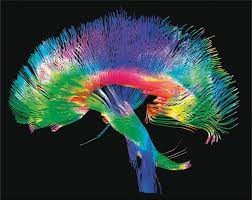
Neuroscience is a multidisciplinary science that deals with the study of the structure and function of the nervous system. It encompasses the study of the human nervous system from cellular and molecular biology, physiology, anatomy and pharmacology, as well as computational, behavioral and cognitive neuroscience. In this article, we review the innovations that are taking place in applied neuroscience, that is, the one that uses scientific knowledge about the brain to enhance people’s health and well-being. Applied neuroscience can be divided into three large groups, depending on what it aims to do:
- Treat neurological diseases.
- Improve the mental health of the general population.
- To improve fields outside the field of the nervous system, such as computing, algorithms, or neuroeducation.
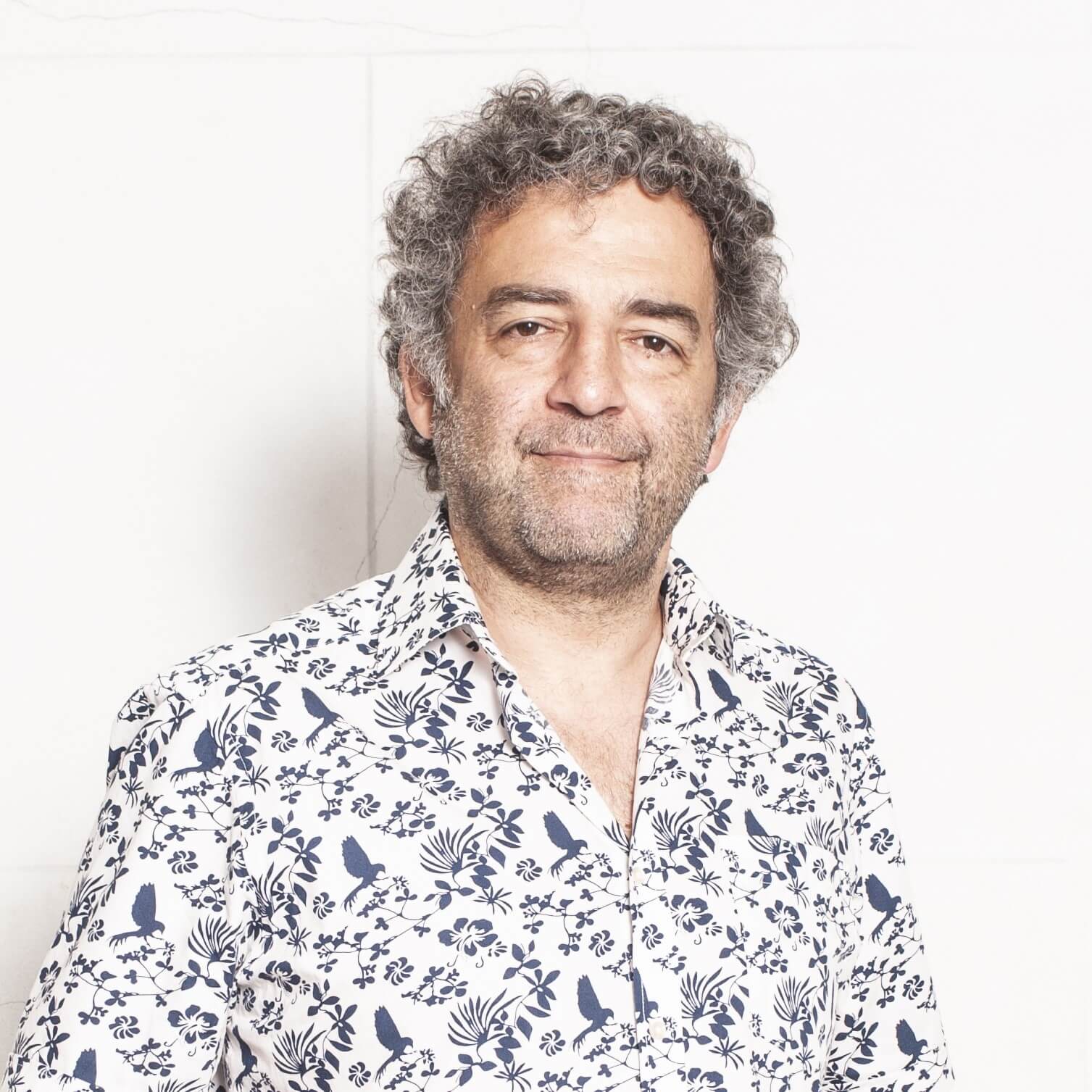
Usually, the three groups drink from the same scientific advances. For example, the discovery more than 15 years ago by the Future Trends Forum expert, Rodrigo Quian Quiroga, from the University of Leicester (United Kingdom), of conceptual neurons (the so-called “Jennifer Aniston neurons“), cells located in the hippocampus, the area of the brain responsible for memory and the creation of memories, will have applications for the three groups of applied neuroscience:
- In the field of neurological diseases, it will be applied, among others, in the treatment of epilepsy, which is the driving force behind the research.
- For mental health in general, it will produce advances in devices and treatments to boost memory.
- Outside the nervous system, it opens up fields for, for example, reimagining artificial intelligence (AI). Because these concept neurons have only been found in humans and represent abstractions, they could be the key to high-level human thinking, to the ability to make disparate analogies, inferences, and associations. Perhaps they are the seed for achieving the “unattainable” strong artificial intelligence (IAF), also known as artificial general intelligence (IAG).
Let’s look at some of the most interesting innovations that are emerging in each of the aforementioned groups of applied neuroscience:
Treatment of neurological diseases
Without leaving Spain, Neuroelectrics, a startup whose founder and CEO is Ana Maiqués, has created caps that are used to perform both wireless electroencephalograms and brain stimulation. They are being used in hundreds of research centers in 45 countries to diagnose and treat neurological diseases, as well as to improve brain health (e.g., in epilepsy, neuropathic pain, or mood disorders) and cognitive function (e.g., memory in dementia or executive function in children with ADHD). As an example of the use of AI in applied neuroscience, it is worth highlighting the recent creation of an artificial intelligence algorithm that can detect and identify different types of brain lesions, analyzing CT scans.
Brain stimulation and cognitive training devices with neurofeedback are still little known by the general public. Experts believe that, as the functionality they offer grows and their price falls, they will become part of many people’s daily lives. Advances in the power and miniaturization of IoT (Internet of Things) devices and the deployment of 5G promise solutions that are enormously useful and easy to use. There is no clear market leader yet, among the most advanced devices today are the Korean Omnifit and the North American MUSE, NeuroSky and Emotive.On the other hand, a multitude of cognitive training apps are emerging.Back in Spain, we mention KokoroKids, a startup founded by serial entrepreneur Carles Pons, and specialized in cognitive training and emotional development for children between 2 and 6 years old.
Improving the mental health of the general population
- Improvement in fields outside the field of the nervous system, such as computing, algorithms, neuromarketing or neuroeducation.
The discoveries of neuroscience are being applied to fields as diverse as marketing, management, people management or AI. Focusing on
It is possible that the hybridization of multidisciplinary teams, supported by advanced AI algorithms, will find the solution in the coming years. In short, we see that the most cutting-edge technologies such as artificial intelligence and the enormous computing capacity available in the cloud, accelerate and will continue to accelerate applied neuroscience. Experts predict new generations of much more personalized medications to treat mental health problems, as well as new generations of devices capable of treating diseases such as depression, ADHD – attention deficit hyperactivity disorder – or schizophrenia. Similarly, the devices that are emerging to take care of mental health are likely to end up being so popular that people use them just as they use other types of devices to take care of their physical health. SharpBrains, an independent market research firm that tracks applied neuroscience, digital health and neurotechnology, led by the expert of the Bankinter Innovation Foundation’s Future Trends Forum, Álvaro Fernandez, is a good source to keep up to date with the latest innovations in this field. Regarding its application in other fields, AI can make significant progress by drawing inspiration from new scientific discoveries in neuroscience. Today, very notable advances in AI such as reinforcement learning, the Transformer network for deep learning or convolutional neural networks, are based on discoveries or theories from neuroscience. If you want to delve into the state of the art of neuroscience and the most promising advances that are being made, we invite you to read the report resulting from our think tank “Neuroscience“, with international experts such as Antonio Damasio or the aforementioned Rodrigo Quian Quiroga, Javier Mínguez and Álvaro Fernández.
Director en Centro de Sistemas de Neurociencia de la universidad de Leicester