

AI-generated summary
In a discussion at the Future Trends Forum, Daniel Truran, CEO of ebbf and B Corp ambassador, emphasized that companies can meet society’s expectations and attract top talent by defining and committing to a clear, shared purpose. He highlighted that younger generations prioritize meaningful work and alignment with their values over financial rewards. Companies lacking a strong, acted-upon purpose risk losing the trust of society, customers, and employees. Truran explained that purpose should unite the interests of employees and the business, fostering personal, business, and social development within an ecosystem of shared goals.
Truran also stressed that monetary incentives alone are insufficient to motivate employees; instead, companies must cultivate environments where people are inspired to contribute to a shared purpose at every level. He advocates for redefining company culture, values, and strategy around this purpose to co-create a better future benefiting people and the planet. Truran illustrated this with examples of collaborations by SecondMuse, such as partnerships with the Rockefeller Foundation and NASA to foster innovation. He pointed to B Corps as exemplary organizations legally committed to social and environmental accountability, showing that embedding purpose into business is essential for long-term success and trust from stakeholders, as echoed by BlackRock’s CEO Larry Fink.
The world's best companies are approaching the future by putting purpose at the heart of the new role they must play.
How can companies meet society’s expectations? How can they go from having good intentions to fulfilling them?
How can they attract and retain the best talent?
The expert of the Future Trends Forum Daniel Truran, CEO of ebbf – ethical business building the future -, B Corp ambassador at B Lab Europe, partner of NOW. Partners and one of the founders of Impact Hub Madrid, is clear: It’s about having a purpose and committing to it. This is what he told us in his participation in our think tank Future Trends Forum “The Future of Work“.
Empathy, transparency, responsibility and commitment are some of the vectors of purpose.
To understand these vectors, Daniel reflects on the new generations that are entering the world of work. In a meeting Daniel had with Carrie Freeman, Co-CEO of SecondMuse, she told him that what characterizes today’s young people is fearlessness and lack of fear when making decisions about where to work: they care less about money and more about the meaning of what they do, the purpose of what they do.
Companies without a defined and acted purpose do not earn the trust of society, and will find it increasingly difficult to attract customers and talent, especially as young people increasingly expect companies to reflect their values.
When Daniel speaks of purpose, he speaks of e “shared purposes”: Purposes are what move people, motivate and get the commitment of the best. Beyond economic benefits, they bring together the vital interests of the company’s professionals and embody values, allowing personal development, business development, and social development, within an ecosystem of shared purposes.
As Tammy Erickson said at that same think tank, monetary incentives don’t work well to achieve this. You need to create an environment that people want to be in; an environment where people choose to want to do great things in it. And that means having a shared purpose, committing to it and acting on it at all levels of the company.
Daniel proposes to redefine the culture, values and strategy based on the purpose to CO-CREATE a better future for all. This purpose, within the scope of the company’s action, must be shared with society, seek the benefit of people and protect the planet.
In the following video, Daniel exemplifies this with some of the collaborations that SecondMuse has made, such as with the Rockefeller Foundation, creating the Food System Vision award or with NASA, with which they have created the largest hackathon in the world, the International Space Apps Challenge.
Having a shared purpose is not optional if a company wants to succeed. Both to attract the best talent and to have the trust of society, customers and investors. This is what Larry Fink, the CEO of BlackRock, the world’s largest asset manager, said in his letter to CEOs this year: “The more your company can demonstrate its purpose to deliver value to its customers, its employees and its communities, the better it will be able to compete and generate long-term lasting benefits for shareholders.”
Finally, Daniel gives us the example of B Corps, companies that are building a more inclusive and sustainable economy for all people and the planet. Unlike companies that only pursue economic ends, B Corps meet the highest standards of social and environmental performance, public transparency, and legal accountability. They are legally required to take into account their workers, customers, suppliers, community and the environment in decision-making.
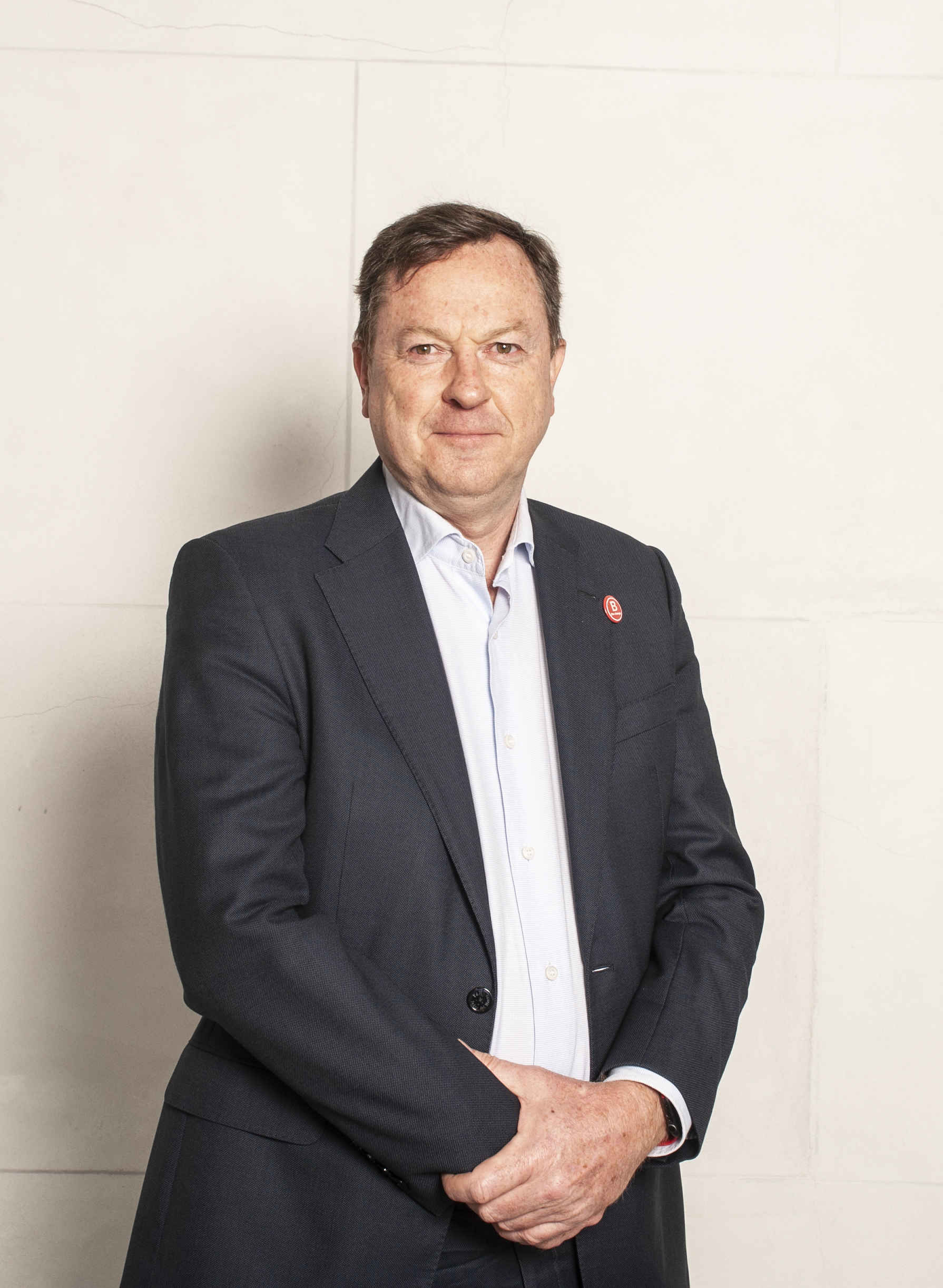
Director general de ebbf, embajador B Corp en B Lab Europe