

AI-generated summary
Over the past decade, consumer behavior around food has shifted significantly, giving rise to a new profile of conscious and savvy individuals who prioritize nutritional value and environmental sustainability. These consumers seek products tailored to their lifestyle, location, and level of digital engagement. Experts like Joxe Mari Aizega of the Basque Culinary Center emphasize the need to rethink education for both consumers and food professionals, framing food sustainability as a creative and positive challenge. Influential chefs and restaurateurs have a unique opportunity to shape public opinion by integrating stories of sustainability, nutrition, and ethical production into their menus, thereby impacting lifestyle habits.
Looking ahead, consumers are expected to become active agents of change, valuing empathy, honesty, and generosity in the brands they support. Initiatives like “Who’s the boss? The Consumers’ Brand” in Spain empower consumers to participate directly in product creation, including choosing farmers and influencing pricing. This approach transforms consumers into “consum-actors,” fostering transparency and dialogue across the food supply chain. As a result, informed and motivated consumers can significantly influence the industry, reflecting a growing desire, especially among the youth, to drive positive change in food systems.
Food consumption has changed in the last decade, now the consumer is more aware, informed and interested in sustainability.
Consumers’ behaviors around food have changed in the last ten years. A new profile is rising, one that demands products adapted to a certain lifestyle, place of residence and degree of digitalization. These are more conscious and savvy consumers, interested in the nutritional value of food and environmental sustainability.
For Joxe Mari Aizega , general manager of the Basque Culinary Center, a first-class pioneering center on gastronomy, it is necessary to rethink the education of consumers as well as of chefs and restaurateurs, so that, “food sustainability is perceived as a creative and positive challenge.”
Food sustainability as a creative challenge for consumers
Pedro Álvarez, , co-founder and general manager at Ivoro Food Innovation Hub and Mimic Seafood, says that if consumers made the right choices, many challenges in the system would be addressed. However, there is a lack of will to make those choices.
Beatriz Romanos , a food technology and food innovation expert, founder of Techfood Magazine, invited experts to analyze the role that the food industry, restaurateurs included, can play. Leaders managing this type of services have high impact on opinion. There is a brand-new opportunity every day to connect with restaurant-goers with a menu in their hands.
Influential chefs have an opportunity to tell a story (sustainability, nutrition, health, production, labelling) and have impact on our lifestyle and habits.
Empathy and awareness
In the future of food, the consumer will be an agent of change. They will value having their aspirations and needs as human beings taken into account. This awareness will take them to support the companies and brands they see as honest, emphatic and generous.
One initiative to empower consumers to decide on what type of food they eat and at what price is called Who’s the boss? The Consumers’ Brand, led in Spain by Annaïck Locqueneux,.
Consumers have a say throughout the product creation process, including selecting the farmer from whom they will be buying a certain product.
This is groundbreaking. Deciding where our money goes is new, we are no longer consumers, we are “consum-actors”.
Our actions as consumers can make a difference. There are lots of people in Spain, especially young people, who want to effect this change.
This platform enables consumers to find out about the origin of the product, the manufacture, packaging materials used, and even meeting who is producing the food we eat. There is a dialogue between producers, distributors and consumers that makes the latter part of the process.
“An informed and motivated consumer is much better than an ignorant, passive consumer”
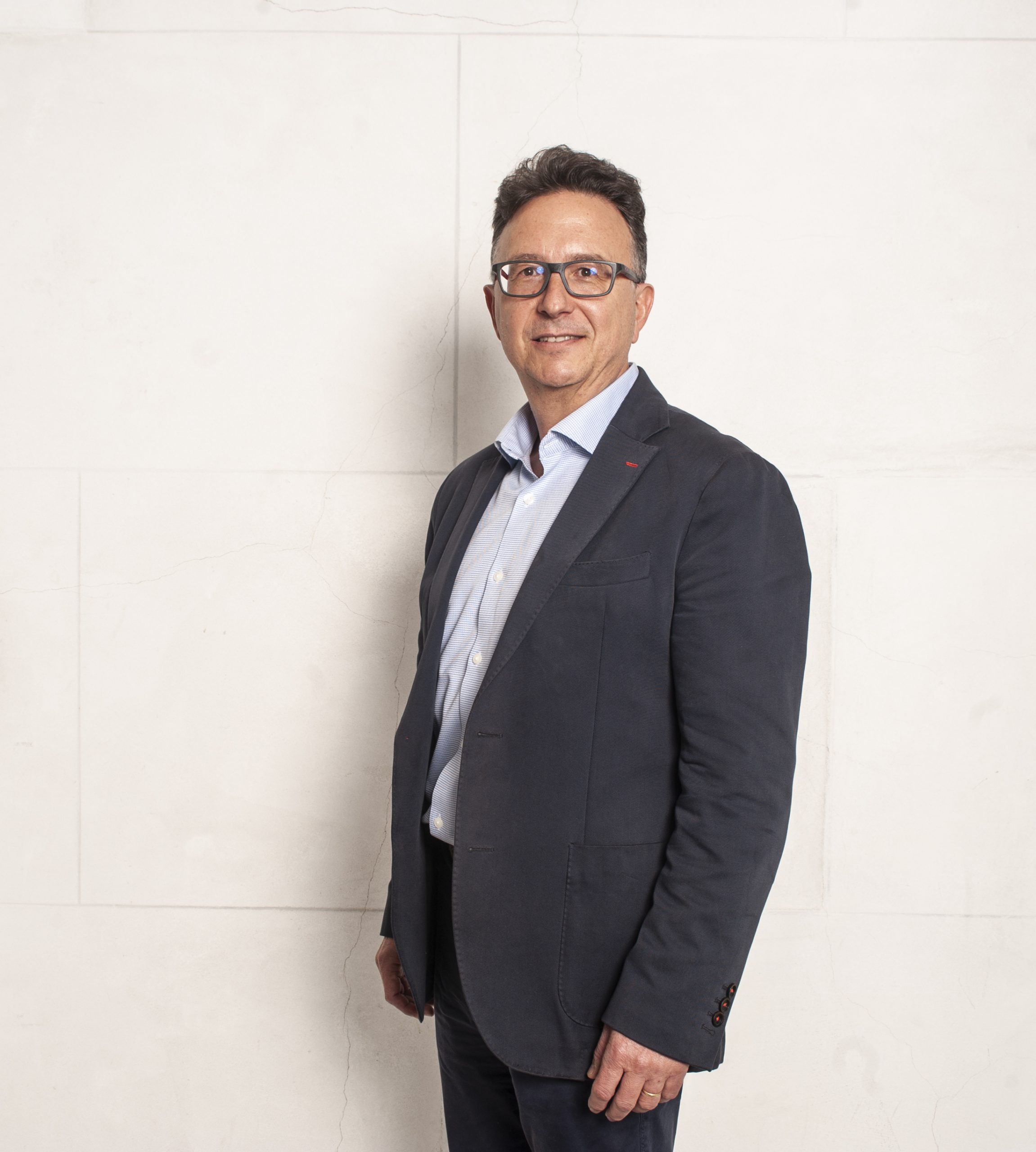
CEO y Cofundador en -ivoro food innovation hub & mimic seafood